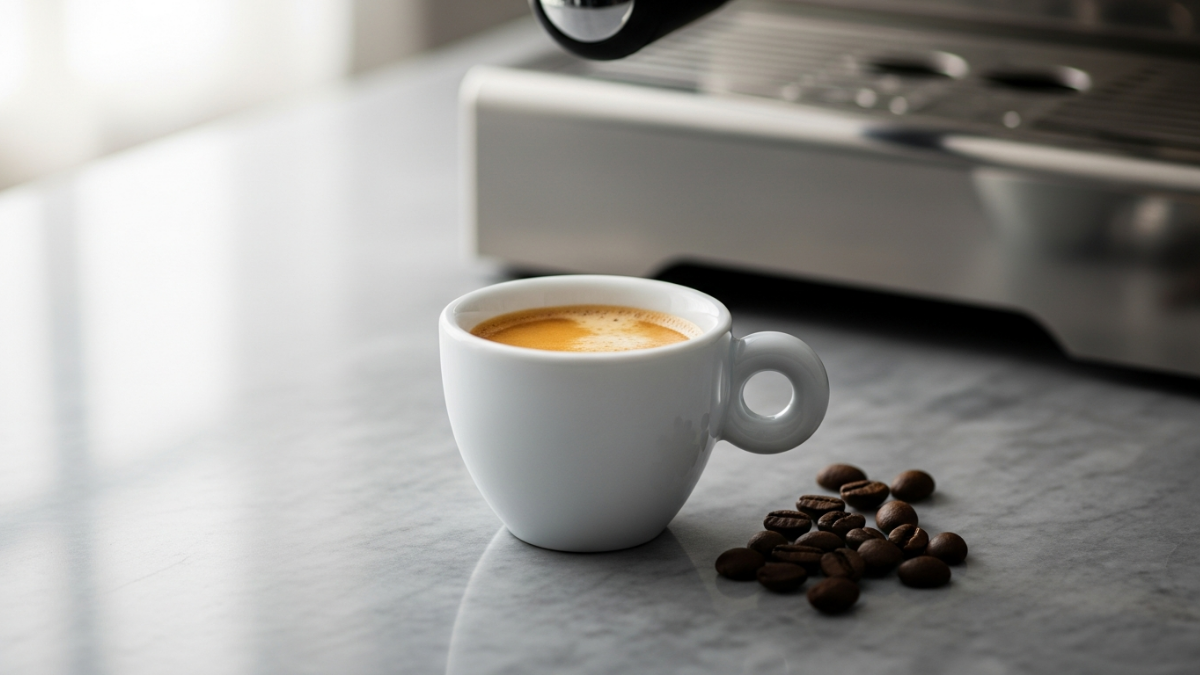
Illy Classico Medium Roast Coffee beans in pressurized can with espresso cup

Illy Classico Espresso: Home Brewing Guide

Did you know that 87% of specialty coffee drinkers struggle to replicate café-quality espresso at home? The culprit isn’t always technique—it’s often the coffee itself. What separates a mediocre shot from a transcendent one boils down to the beans you start with and how they’re preserved.

Illy Classico Medium Roast Coffee has quietly become the gold standard for home espresso machines across Europe and North America. This meticulously crafted blend of nine Arabica varieties is sealed in patented nitrogen-pressurized cans that preserve peak freshness for up to two years. The innovation extends beyond marketing hype—the packaging genuinely affects what ends up in your cup, shot after shot.

Discover how Illy Classico can transform your home espresso experience today.

Why Home Espresso Machines Demand Premium Coffee

The relationship between bean quality and extraction consistency

Your espresso machine is only as good as the coffee passing through it. Mid-tier beans contain inconsistent density and moisture levels, forcing you to constantly adjust grind size and tamping pressure. Premium beans like Illy Classico arrive pre-vetted for uniformity, meaning your machine’s 9-bar pressure system can work predictably. The coffee responds to your technique rather than fighting against inherent quality variations.

How pressurized packaging affects shot quality over time

Oxygen is coffee’s enemy. Within days of roasting, ordinary packaging allows oxidation to degrade the volatile aromatic compounds that create complexity. Illy’s nitrogen-pressurized cans replace oxygen with inert gas, essentially freezing the beans at their peak. Open a can three months later and the oils remain intact, the aromatics preserved. Open a bag from a competitor and you’ll find dried-out beans that pull thin, bitter shots regardless of your technique.

Why 100% Arabica blends perform better in espresso machines than Robusta-heavy alternatives

Robusta beans contain nearly double the caffeine and produce a harsh, ashy taste that intensifies under espresso pressure. The 100% Arabica composition in Illy Classico means you’re working with naturally sweeter, more delicate beans. They extract cleaner, develop richer crema, and respond beautifully to proper dialing-in. When you’re investing in a quality machine, pairing it with Robusta is like putting low-octane fuel in a sports car.

The impact of bean freshness on crema development and mouthfeel

Crema—that golden layer atop a perfect shot—requires fresh oils. Stale beans produce thin, wispy crema that dissipates immediately. Fresh beans from a pressurized can generate thick, stable crema that persists through the entire shot. Mouthfeel transforms alongside this: stale coffee tastes thin and papery, while fresh Classico coats your palate with buttery sweetness that lingers pleasantly.

Common mistakes home baristas make with mid-tier coffee beans

Home espresso enthusiasts often blame themselves for poor shots when the real culprit is the coffee. Using a mid-tier bean, you might over-compensate by grinding finer, tamping harder, or pulling longer shots—all of which amplify existing bitterness. With Illy Classico, the beans cooperate from the start, and you can focus on technique rather than fighting the material you’re working with.

The Illy Classico Flavor Profile: What You’re Actually Tasting

Breaking down the caramel, orange blossom, and jasmine notes in espresso form

Under 9-bar pressure, the nine Arabica varieties in Classico release their signature notes with remarkable clarity. Caramel emerges as a primary taste—genuine sweetness, not artificial lingering aftertaste. Orange blossom appears as a bright, floral undertone that prevents the shot from becoming one-dimensional. Jasmine adds an almost perfumed complexity that reveals itself most fully during the mid-palate. These aren’t subtle ghost notes; they’re genuinely present when the coffee is fresh and properly extracted.

How the medium roast level influences sweetness and body

Medium roasting preserves the beans’ origin characteristics while developing enough body for espresso. Darker roasts burn away subtlety in pursuit of boldness; lighter roasts can taste sour and underdeveloped. Classico’s medium roast sits at the sweet spot—literally. The roasting process coaxes natural sugars to the surface without charring them, producing a naturally sweet cup with enough weight to feel substantial on the palate without heaviness.

The subtle chocolate and nutty undertones that emerge in different brewing temperatures

Water temperature dramatically shifts flavor perception. At 90-92°C, Classico emphasizes the orange blossom and jasmine brightness. Increase to 93-95°C and chocolate and nutty undertones become more prominent—a richer, deeper cup emerges. This flexibility means you can adjust your machine’s temperature to match your mood: bright and floral for morning clarity, or darker and more indulgent for afternoon enjoyment.

Why some espresso drinkers perceive strength differently (and what that means)

“Strength” in coffee means different things to different people. Some interpret it as bitter intensity; others mean caffeine punch or body weight. Classico delivers moderate caffeine with a full body but minimal bitterness. If you’re accustomed to dark roasts, Classico might taste delicate. If you’re used to under-extracted shots, Classico’s sweetness might register as strong. Neither perception is wrong—it reflects your baseline reference point.

Comparing Illy Classico’s flavor complexity to other premium single-origin options

Single-origin coffees highlight one region’s characteristics; blended Classico weaves nine varieties into a unified profile. The advantage: consistency and balance. Single-origins can be spectacular but occasionally arrive under-performing or slightly off due to seasonal variation. Classico’s nine-variety blend ensures that if one origin underperforms slightly, others compensate, maintaining the house flavor profile year-round. For espresso machines, this reliability matters more than the novelty of single-origin variation.

Grinding and Dosing for Optimal Espresso Extraction

Whole bean vs. pre-ground: which format delivers better results at home

Whole beans remain fresher longer because they expose less surface area to oxygen. Once ground, coffee begins staling immediately—within 15 minutes, you’ve lost significant aromatic compounds. If you own any grinder beyond a blade model, whole beans are the superior choice. Illy offers pre-ground espresso for convenience, but whole beans will consistently outperform if you’re willing to grind fresh for each shot.

Grind size specifications for standard espresso machines (9-bar pressure)

Standard espresso machines require a fine, consistent grind—particles should resemble powdered sugar, not coarse sand. Aim for a grind size that produces a 25-30 second pull time for a double shot (18g in, 36g out). Too coarse and water races through without extracting sweetness; too fine and the shot becomes bitter and over-extracted. Illy Classico’s density responds predictably to these specifications, allowing you to dial in once and maintain consistency.

Proper dosing ratios for single and double shots

Standard ratios are 1:2 (input to output weight). A single shot uses 9g of coffee, yielding 18g of espresso. A double uses 18g, yielding 36g. These ratios work beautifully with Classico because the beans’ density is consistent. If you’re accustomed to lighter, less-dense beans, you might need to reduce dose slightly to avoid over-extraction.

How grind consistency directly affects shot pull time and flavor balance

Inconsistent grind sizes create uneven extraction—finer particles over-extract while coarser ones under-extract, producing muddy, unbalanced shots. Classico’s complex flavor profile only shines when extraction is even. Invest in a burr grinder (conical or flat) that produces uniform particle size. The difference between blade-ground and burr-ground Classico is genuinely profound.

Equipment recommendations for grinding whole beans at home

Entry-level burr grinders from Baratza or Wilfa provide acceptable consistency without excessive expense. Mid-range options like the Eureka Mignon or Fellow Ode offer better grind uniformity and faster operation. Premium grinders approach $1,000, but they’re diminishing returns for home use. Match your grinder investment to your espresso machine quality—a $300 grinder paired with a $150 machine creates a bottleneck.

Brewing Methods Beyond Espresso: Maximizing Your Illy Classico Investment

Drip coffee brewing techniques that highlight delicate aromatic notes

Classico’s caramel and jasmine notes shine in drip coffee when you control water temperature and contact time. Use 195-205°F water and a medium grind. Pour slowly to maximize extraction time without overheating. The result: a bright, aromatic cup that highlights the beans’ complexity in a more delicate way than espresso’s concentrated intensity.

Moka pot preparation for rich, concentrated coffee without bitterness

Moka pots create pressure without fancy machinery, producing shots that approach espresso quality. Fill the bottom chamber with water just below the safety valve, add finely ground Classico to the basket (level it gently, don’t tamp), and screw the top chamber on. Heat over medium-low until you hear a gentle gurgling sound—don’t blast it with high heat or bitterness emerges. The result: rich, concentrated coffee that captures Classico’s sweetness.

French press steeping times and water temperature for balanced extraction

French press is forgiving but demands attention. Use coarsely ground Classico and 195-200°F water. Steep for 4-4.5 minutes, then slowly depress the plunger. This method produces a full-bodied cup with significant mouthfeel. The coffee oils remain in the cup (unlike paper filters), creating a luxurious texture that complements Classico’s caramel and chocolate undertones beautifully.

Aeropress and pour-over methods that suit Classico’s flavor profile

Both methods offer precise control, making them ideal for highlighting Classico’s subtle notes. Aeropress excels with a fine grind, 200°F water, and a 1-minute immersion followed by a 20-second press—producing an espresso-like concentrate. Pour-overs (V60, Chemex, Kalita Wave) work with medium grinds and longer contact times, emphasizing brightness and floral characteristics.

Adjusting brew parameters based on your preferred taste intensity

Prefer bold, intense coffee? Use finer grinds, hotter water, and longer contact times. Want bright, delicate aromatics? Go coarser, slightly cooler, and shorter steeps. Classico’s balanced profile adapts to these adjustments without becoming unpleasant in either direction—a flexibility that budget beans often lack.

Start exploring Illy Classico’s versatility across brewing methods right now.

The Nitrogen-Pressurized Can: How Innovation Protects Your Investment

Understanding Illy’s patented pressurized packaging technology

Illy’s nitrogen-pressurized can is elegantly simple: a sealed environment where oxygen has been replaced with inert nitrogen gas. This prevents oxidation, which degrades aromatic compounds and oils. The can maintains this oxygen-free state throughout shipping, storage, and months of shelf time. When you open it, you’re accessing beans that taste nearly as fresh as the day they were roasted.

How inert nitrogen replaces oxygen to preserve aromatics and oils

During the canning process, nitrogen gas is flushed through the can, displacing oxygen molecules. Once sealed, the can becomes an anaerobic environment where chemical degradation essentially halts. Aromatic compounds remain volatile, oils remain fluid and flavorful. Compare this to conventional bags, where even vacuum sealing allows micro-oxidation over time.

Two-year freshness guarantee: what it means for home storage

Illy guarantees peak quality for two years from the roast date printed on the can. This doesn’t mean the coffee becomes dangerous after two years—it remains safe indefinitely. Rather, the guarantee reflects when flavor complexity and aromatic nuance remain at their intended level. For home use, this window far exceeds the typical consumption period. A single can of whole beans lasts most households 2-3 weeks.

Proper storage conditions to extend can freshness even further

Store unopened cans in a cool, dark place—ideally 60-70°F with low humidity. Avoid sunlight, which can heat the can and accelerate any residual oxidation. Once opened, transfer unused ground coffee to an airtight container and refrigerate or freeze. Whole beans can be frozen in an airtight bag for up to a month without flavor degradation, provided you thaw them only when ready to grind.

Why this packaging justifies the premium price point

The nitrogen-pressurized can costs more to produce than standard bags. You’re paying for that innovation directly. However, you’re also receiving insurance against the primary enemy of coffee quality: oxidation. Over a two-year window, the cost difference per cup becomes negligible when factoring in the consistency premium and eliminated waste from stale beans.

Pricing Strategy: Is Premium Coffee Worth the Investment?

Cost-per-cup breakdown for Illy Classico versus budget alternatives

An 8.8 oz (250g) can of Illy Classico retails around $17.29, yielding approximately 17-20 cups depending on brewing method and strength preference. That’s roughly $0.86-$1.02 per cup. Budget beans might cost $8-10 per can, dropping to $0.40-$0.60 per cup. The difference seems significant until you factor in what “budget” actually means in a cup: inconsistency, stale flavors, and frequent waste from beans that go off.

Long-term value when factoring in consistency and waste reduction

Quality beans don’t go stale as quickly. You’re not discarding half the bag because it tastes flat after three weeks. With Classico’s two-year freshness window, even casual drinkers consume the entire can while it remains at its peak. Over a year, this consistency adds up: fewer wasted cans, fewer disappointing shots, fewer trips to the coffee shop when home espresso disappoints.

Bulk purchasing options and subscription models for regular users

Illy offers larger format cans (8.8 oz, 250g is standard; larger quantities available through bulk retailers). Amazon Subscribe & Save occasionally offers discounts on regular shipments. Wholesale clubs like Costco sometimes stock Illy at modest discounts. For regular users (more than one can per month), subscription approaches and bulk purchasing can reduce per-can costs by 10-15%.

Comparing price-to-quality ratio against other specialty Italian brands

Illy competes primarily with Lavazza, another Italian standard-bearer. Lavazza Premium Qualita is comparable in price but uses a Robusta-heavy blend, producing a more bitter, less refined cup. Illy’s all-Arabica composition and innovative packaging justify the pricing relative to competitors. You’re not paying for a brand—you’re paying for demonstrable quality differences.

Budget alternatives if premium pricing is a barrier

If Illy’s price consistently exceeds your budget, Lavazza Premium (Arabica-forward options available), Kimbo, or Peet’s Coffee offer respectable quality at 20-30% lower prices. The gap isn’t enormous—you’ll still enjoy good espresso. However, you’ll notice less consistency and slightly shorter freshness windows. Consider Illy as an occasional splurge or a subscription for weekday use paired with budget beans for experimental brewing.

Sustainability and Sourcing: What Sustainably-Grown Actually Means

Illy’s nine-variety Arabica sourcing from global origins

Illy doesn’t source from a single plantation or region. Their blend draws Arabica from Central America, South America, Africa, and Asia. This geographic diversity serves multiple purposes: it hedges against regional crop failures, it ensures consistent flavor year-round regardless of seasonal variations, and it distributes economic benefit across multiple origins. Each of the nine varieties contributes specific flavor characteristics to the final blend.

Sustainable farming practices across their supply chain

Illy works directly with farmers who employ shade-growing techniques (cultivating coffee under native tree canopy rather than clearing land), water conservation, and soil health practices. These methods improve bean quality while reducing environmental impact. The relationship isn’t transactional; Illy maintains long-term partnerships with farms, incentivizing investment in sustainability.

Fair trade and ethical sourcing commitments

Illy pays above fair-trade minimums for beans from farming partners. They publish transparency reports detailing their sourcing practices and certifications. The brand’s reputation hinges on these commitments being genuine, not marketing veneer. Premium pricing partially reflects these higher farmer payments.

Environmental impact of the pressurized can packaging

Aluminum cans are infinitely recyclable without quality degradation. Illy cans are recyclable in virtually all curbside programs. The environmental cost is primarily in aluminum production; however, the extended shelf life (versus bags requiring more frequent replacement or disposal) offsets some impact. If environmental concerns matter to you, recycling the can becomes part of the sustainability equation.

How bean diversity contributes to flavor complexity and consistency

Nine Arabica varieties each bring distinct characteristics. Blend them together and you achieve complexity that single-origin beans rarely match. The diversity also acts as a quality buffer: if one origin underperforms slightly, others compensate. The result is a flavor profile that remains recognizable year-round despite seasonal growing variations.

Real User Experiences: Espresso Machines and Illy Classico

Common praise points from home espresso enthusiasts

Consistent pull-to-pull reliability dominates user testimonials. Espresso enthusiasts praise how Classico responds predictably to technique, allowing them to focus on dialing rather than fighting the beans. The taste profile—particularly caramel sweetness and absence of bitterness—receives frequent mention. Users appreciate that the coffee performs well across different machine types, from entry-level units to prosumer machines.

Addressing concerns about detecting subtle flavor notes

Some users report difficulty perceiving the jasmine and orange blossom notes, particularly if they’re accustomed to darker roasts or under-extracted shots. The perception gap isn’t a quality flaw; it reflects baseline expectations. Users who “trained” their palate by comparing Classico against lighter, brighter coffees reported eventual recognition of the delicate notes. Tasting notes require context and comparison.

Feedback on consistency across different espresso machine brands

Classico performs well across Breville, Rancilio, Gaggia, and higher-end brands alike. Users note that the beans’ consistent density allows machines with different pressure profiles and heating systems to produce balanced shots. Some machine-specific fine-tuning remains necessary, but the coffee doesn’t demand completely different approaches across brands.

Testimonials from users with varying brewing experience levels

Beginners appreciate that Classico’s balanced profile is forgiving—even poorly-dialed shots taste decent. Intermediate users praise the complexity that emerges when dialed correctly. Advanced enthusiasts value the consistency that frees them to focus on technique refinement rather than fighting the material. The coffee doesn’t alienate any skill level.

Honest assessment of when this coffee might not be the right fit

Classico might disappoint users who specifically crave dark, bitter, burnt-tasting espresso. It’s not a budget choice if you’re price-sensitive. It requires proper storage and grinder investment to truly shine—using it with blade-ground pre-ground espresso wastes the beans’ potential. If you have limited storage space and buy coffee infrequently, bulk quantities might go stale before consumption.

Storage, Shelf Life, and Maintaining Peak Freshness

Optimal storage temperature and humidity for opened cans

Once opened, transfer remaining beans to an airtight container. Store in a cool (60-70°F), dark place with moderate humidity. Avoid refrigerators where humidity and temperature fluctuations promote condensation and oxidation. Room-temperature dark cabinets are ideal. If you grind beans fresh daily, opened cans maintain quality for 2-3 weeks easily.

Timeline for flavor degradation after opening

Day 1-7: Peak quality. All aromatic compounds present, oils fluid.

Week 2-3: Noticeable decline in brightness and aromatic complexity, though still pleasant.

Week 4+: Obvious flatness emerges. The coffee remains safe but lacks the vivid character that made it worth the premium price.

Freezing whole beans: pros, cons, and best practices

Freezing pauses oxidation effectively, extending usable freshness by 4-6 weeks beyond room-temperature storage. Pros: extended shelf life without quality loss. Cons: moisture condensation if you thaw-refreeze multiple times, and the inconvenience of thawing before grinding. Best practice: freeze in airtight portions (one week’s worth per container) to minimize thaw-refreeze cycles. Grind directly from frozen; don’t allow beans to warm before grinding.

Signs that your Illy Classico has lost its peak freshness

Flat, muted flavor with minimal sweetness or aromatic complexity. Shots that taste thin and papery. Reduced crema development. Bitterness emerging where previously there was only caramel and jasmine. These signs indicate oxidation has compromised quality. The coffee isn’t dangerous, but it no longer justifies premium pricing.

How to rotate stock if buying in bulk

Use FIFO (first in, first out): place new cans behind existing stock. Consume older cans first. Track roast dates on cans and consciously prioritize earlier-roasted stock. If buying large quantities, only freeze excess beyond a 4-week supply; maintain the majority at room temperature to ensure consistent rotation.

Building Your Home Espresso Routine with Illy Classico

Creating consistent morning espresso rituals

Routines compound over time. Grinding fresh beans for your first shot, allowing 30 seconds for the grinder to cool, then pulling a consistent double shot becomes meditative. The sensory experience—the smell of fresh grounds, the hiss of steam, the visual perfection of well-developed crema—elevates morning coffee beyond caffeine delivery. Classico’s reliability makes this ritual achievable daily without frustration.

Dialing in your machine for different drink styles (shots, cappuccino, Americano)

Espresso shots (1:2 ratio, 25-30 seconds) showcase Classico’s complexity most directly. Cappuccinos (single or double shot with steamed milk and microfoam) benefit from Classico’s sweetness, which balances milk’s natural sweetness without becoming cloying. Americanos (shot diluted with hot water) work beautifully with Classico; the dilution highlights different flavor layers than straight espresso. Dial your grind once, then adjust only for seasonal variations in bean moisture content.

Temperature and pressure adjustments for Classico’s sweet spot

Most machines default to 9 bars pressure and 90-92°C water temperature. Classico performs excellently at these settings. If you’re experimenting: increasing temperature to 94-95°C emphasizes chocolate and nutty notes; decreasing to 88-90°C highlights brightness and floral characteristics. Pressure adjustments (if your machine allows) rarely improve Classico significantly—the beans’ density works optimally at standard espresso machine pressures.

Maintenance practices that preserve bean quality

Clean your portafilter and basket immediately after each shot to prevent oil buildup, which can become rancid. Backflush your group head weekly if the machine allows. Descale monthly according to manufacturer specifications. These practices preserve extraction consistency and ensure you’re tasting the coffee rather than residual oils from previous shots. With premium beans, machine hygiene becomes more critical.

Tracking your shots to identify your personal flavor preferences

Maintain a simple log: grind size, dose, pull time, shot yield, water temperature, and flavor notes. After 20-30 shots, patterns emerge. You’ll identify your personal sweet spot—the parameters producing shots you most enjoy. This information becomes your machine’s fingerprint, eliminating future guesswork and enabling you to return consistently to your preferred result.

Your Path to Café-Quality Espresso Starts Here

Illy Classico Medium Roast Coffee represents far more than just a premium price tag—it’s a shortcut to consistency that home espresso machines desperately need. Whether you’re pulling your first shot or refining technique after years of experimentation, the reliable flavor profile and innovative packaging eliminate one major variable from your brewing equation. The nine-variety Arabica blend delivers complexity that budget beans simply can’t match—those caramel and jasmine notes are genuinely present when you dial in your machine correctly.

Yes, you’ll pay more per cup than mainstream brands, but the elimination of waste, the extended freshness window, and the psychological boost of knowing you’re using genuinely excellent coffee make the investment worthwhile. The two-year freshness guarantee on unopened cans means you can stockpile without fear of degradation. The 100% Arabica composition ensures smooth extraction without the bitterness that Robusta-heavy blends impose. The nitrogen-pressurized packaging does precisely what it promises: preserves peak freshness from roastery to your cup.Start with a single can to test compatibility with your specific machine and taste preferences. Your espresso routine deserves coffee that performs as reliably as your machine does. Order your Illy Classico today and experience café-quality espresso at home.


Comments

Leave a Reply

Your email address will not be published. Required fields are marked *