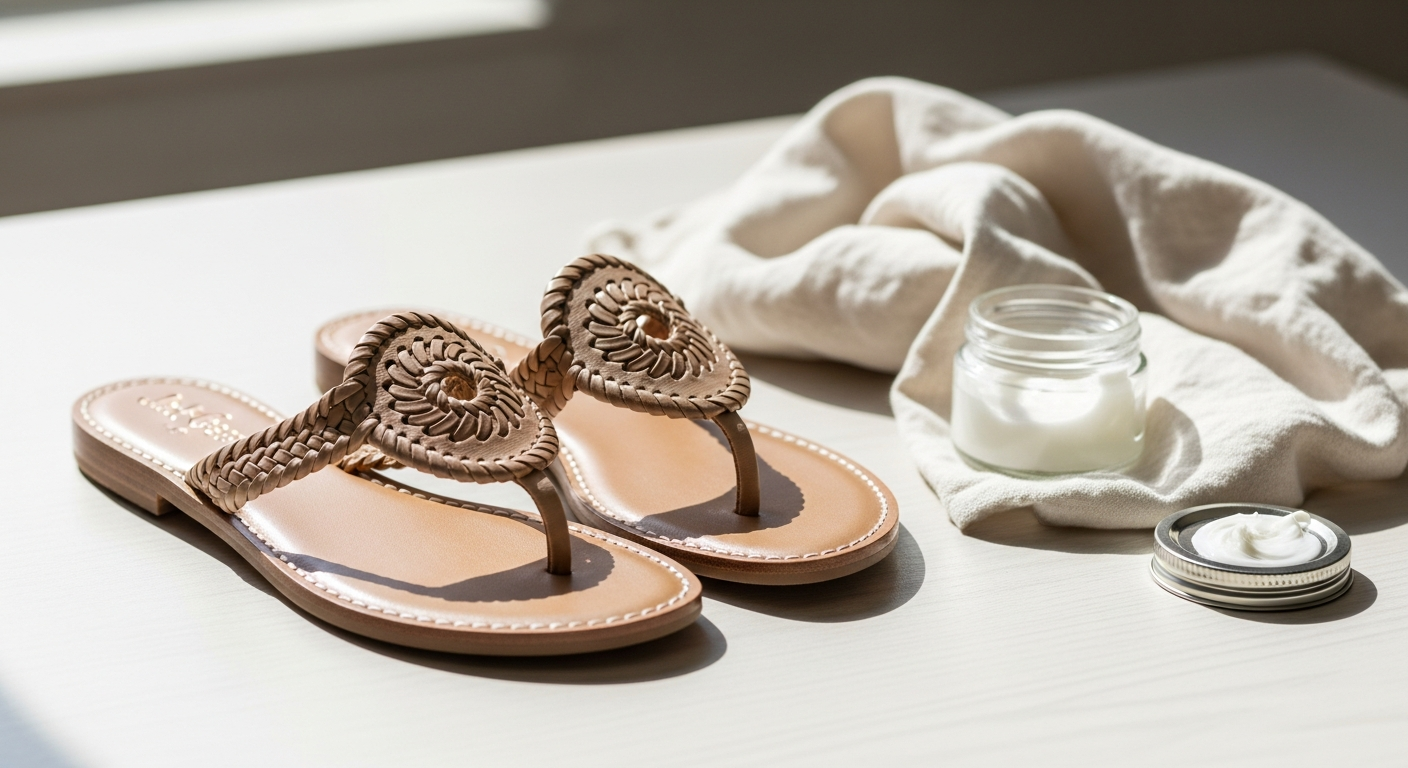
Your new Jack Rogers Classic Navajo Sandals arrived, and they're absolutely stunning—but ouch, they're tight. You're not alone. Nearly every owner experiences that initial break-in period where these legendary sandals feel stiff and snug. The good news? That discomfort is temporary, and what comes after is pure footwear bliss.
Since Jackie Kennedy made them a cultural phenomenon in the 1960s, these hand-stitched leather sandals have remained the gold standard for timeless, versatile footwear. Their whipstitched detailing and signature rondelle medallion design have stayed virtually unchanged because they simply work. But here's what most new owners don't realize: the break-in process is actually part of what makes them so durable and custom-fitted to your feet.
Why Jack Rogers Navajo Sandals Feel Tight at First (And Why That's Actually a Good Sign)
The premium leather construction and handmade craftsmanship mean each pair starts structured and firm. This isn't a manufacturing oversight—it's evidence of quality materials and intentional design. Leather naturally softens and molds to your individual foot contours over time, transforming from rigid to responsive as you wear them.
The narrow footbed is intentional design, providing stability once broken in rather than slouchy looseness. Initial tightness indicates those quality materials will develop a custom fit unique to your foot shape. Understanding the break-in as a feature rather than a flaw shifts your entire perspective on the adjustment period. You're not dealing with a problem; you're experiencing the beginning of a relationship between your feet and footwear that will last for years.
Strategic Break-In Techniques That Actually Work
Gradual Wear Approach
Start with 1-2 hour wearing sessions indoors on soft surfaces. This allows your feet to adjust without the added stress of walking long distances or navigating uneven terrain. Short sessions build tolerance gradually and reduce the risk of painful blistering.
Leather Conditioning
Apply a leather conditioner or mink oil to soften the material faster. Work the product into the leather with circular motions, paying special attention to the areas that feel most rigid. Quality conditioners accelerate the natural softening process without compromising the sandal's structure.
Targeted Stretching
Wear thick socks and use a heat gun on low setting to gently warm and stretch problem areas. The combination of warmth and the slight expansion from thick socks creates gentle, controlled stretching. Keep the heat source moving and maintain a safe distance to avoid damaging the leather.
Wet Leather Method
Dampen the sandals slightly, wear them for 20-30 minutes, then let them air dry on your feet. This technique uses moisture to make leather pliable, allowing it to conform to your foot shape as it dries. The sandals will be more receptive to molding during this window.
Freezer Bag Trick
Stuff sandwich bags filled with water inside overnight to stretch the leather gradually. As the water freezes, it expands and gently stretches the leather from the inside. This method works particularly well for areas that feel especially snug.
Comfort Solutions for the Adjustment Period
Gel inserts or cushioned pads placed strategically under the ball of the foot or heel provide immediate relief during the early wearing phase. These removable solutions can be adjusted or removed as the sandals soften, giving you control over your comfort level.
Blister prevention deserves serious attention. Use moleskin, athletic tape, or blister prevention patches on high-friction areas before pain develops. Proactive protection beats reactive treatment every time.
Thick socks or nylon stockings create a barrier between skin and leather during early wears. This simple solution reduces friction significantly while your feet adjust to the sandal's structure. Many owners find that visible socks with Jacks actually looks intentionally stylish.
Foot powder or anti-chafe balm reduces friction and keeps feet dry during the break-in phase. Moisture accelerates blistering, so staying dry becomes especially important during these early wearing sessions.
Adhesive heel grips prevent your foot from sliding forward in the sandal, a common source of heel friction and blistering. These inexpensive additions make a noticeable difference in comfort during the adjustment period.
Styling Your Jacks During the Break-In Phase
Casual indoor settings work best for initial wears. Pair them with lightweight linen pants or shorts for low-pressure first sessions where you can easily remove them if discomfort builds.
Shorter outings are smarter than all-day events initially. Style them for quick errands rather than ambitious social schedules. This approach lets your feet acclimate without overwhelming them.
Embrace sock styling as both comfort and fashion. The 90s trend of visible socks with sandals is back, and pairing thick socks with your Jacks provides both protection and contemporary appeal.
Loungewear pairing makes break-in feel intentional rather than obligatory. Wear them with athleisure around the house to build wearing time while maintaining comfort at home.
If you wear them to the office, keep backup shoes handy for relief. Having an escape option removes the pressure to power through discomfort and lets you extend wearing sessions naturally.
What to Expect Week by Week (The Break-In Timeline)
Week 1: Expect noticeable tightness and possible blistering on heels or sides. The leather feels stiff and unbending. This is the most challenging phase, so having comfort solutions in place matters most.
Days 3-5: Leather begins to soften slightly. Wearing them for 2-3 hours becomes noticeably more tolerable. You'll feel genuine progress during this window.
Week 2: Significant softening occurs, and you can wear them for longer periods with minimal discomfort. The leather is visibly more flexible.
Week 3: The leather relaxes considerably, and your foot's shape becomes imprinted in the sandal. Comfort improves dramatically.
Week 4: Most owners report the sandals feel genuinely broken in and comfortable for extended wear. This is when you'll start reaching for them without hesitation.
Long-Term Care to Maximize Comfort After Break-In
Regular conditioning keeps the leather soft and supple long after the initial break-in. Apply leather conditioner every 3-6 months to maintain that molded comfort and prevent cracking that comes with neglect.
Establish a cleaning routine that includes wiping down with a soft cloth after each wear and using leather cleaner monthly. This maintenance prevents dirt and salt buildup that can stiffen leather.
Storage method matters for longevity. Keep them in a cool, dry place away from direct sunlight to prevent leather degradation. Proper storage preserves the investment you've made.
Rotation strategy gives the leather recovery time between wears. Alternating with other sandals extends the life of your Jacks significantly by allowing the material to rest and reset.
Moisture management prevents damage when they get wet. Allow them to air dry completely in a well-ventilated space. Never use direct heat sources, which can damage leather and undo your break-in progress.
Your Jacks Deserve the Wait: Making the Break-In Period Work for You
The break-in period for Jack Rogers Classic Navajo Sandals isn't a design flaw—it's actual proof that you're investing in genuine craftsmanship. Those first few weeks of tightness are temporary. What comes after is a sandal that molds to your foot like it was custom-made, delivering the kind of comfort that justifies decades of loyal devotion from fashion icons and everyday wearers alike.
The practical strategies for speeding up the adjustment, styling tricks to keep you comfortable during the transition, and realistic timelines provide everything you need to navigate this phase successfully. The key is approaching the break-in with intention rather than frustration. Wear them gradually, condition the leather, use targeted comfort solutions, and resist the urge to debut them on a week-long vacation.
Once your Jacks are broken in—typically within 3-4 weeks of regular wear—you'll understand why these sandals command such fierce loyalty. They transition seamlessly from casual beach days to dressy dinners, age beautifully with proper care, and represent a connection to timeless American style. Your feet will thank you for pushing through those initial uncomfortable days.
Leave a Reply