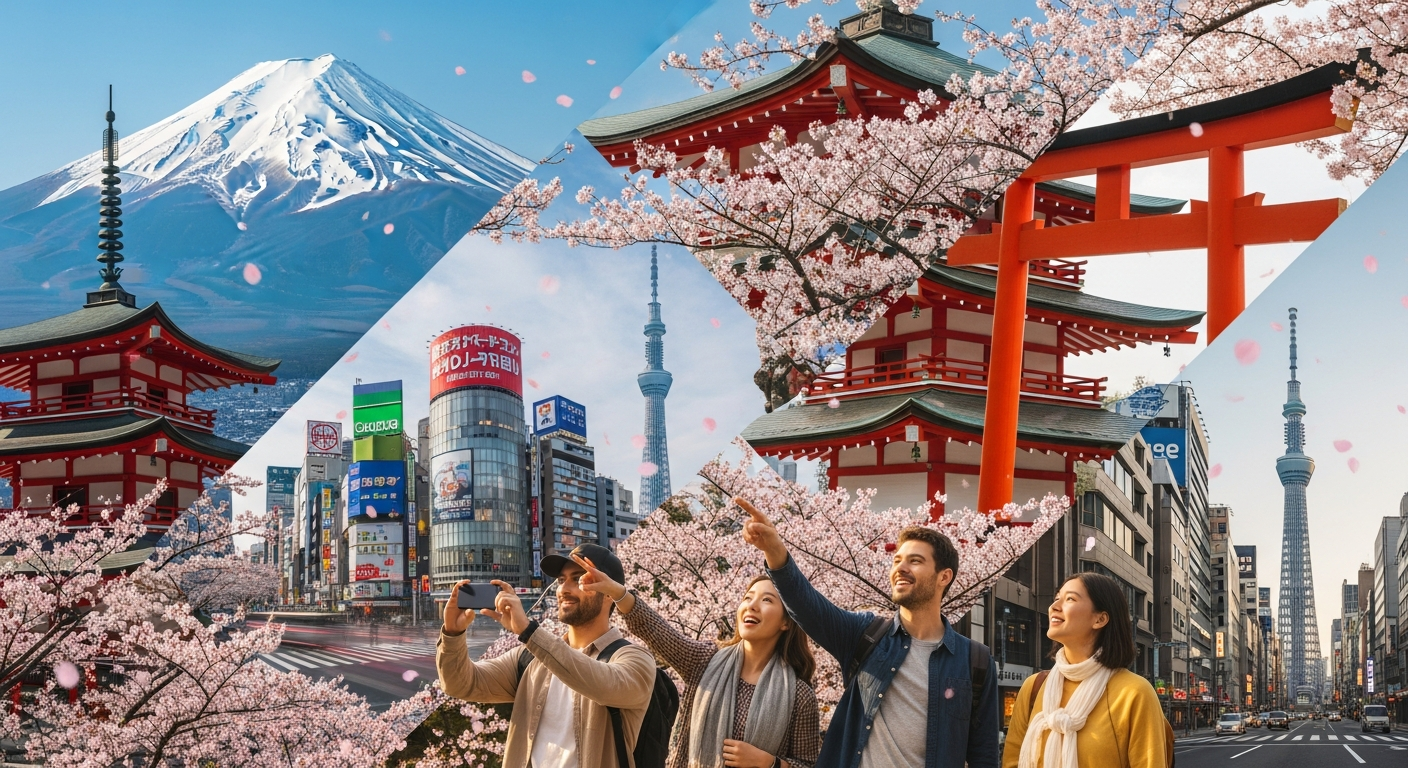
Research reveals something striking: over 85% of travelers report that small-group tours fundamentally transform how they experience a destination—yet most Japan packages still herd 40+ people onto a single bus. The Japan: Höhepunkte Rundreise shatters that mold entirely. This 11-day round trip isn’t just another checklist tour—it’s a carefully orchestrated journey through Japan’s most compelling landscapes and cultural epicenters.
With flights included from approximately €3,999 per person and intimate group sizes between 6 and 12 guests, this tour unlocks experiences that larger operators simply cannot deliver. The difference between traveling with a handful of fellow adventurers and being one face in a crowd of 50 is the difference between conversation and commotion, between discovery and mere observation.
The 11-Day Itinerary Breakdown – From Tokyo’s Energy to Osaka’s Soul
Tokyo’s Vibrant Neighborhoods and Metropolitan Highlights
Your journey begins in Tokyo, where ancient temples sit in the shadows of neon-lit skyscrapers. You’ll navigate the organized chaos of Shibuya Crossing, witness the serene grounds of historic shrines, and sample street food that tells stories of generations. Tokyo isn’t just Japan’s capital—it’s the living pulse of the nation’s past and future colliding in real time.
Serene Temple Experiences in Nikko and Kamakura
Beyond Tokyo’s intensity, Nikko and Kamakura offer sanctuary. Nikko’s temples are nestled among towering cedar forests, where the air itself seems to whisper centuries of spiritual practice. Kamakura presents the famous Great Buddha, its weathered bronze face gazing serenely over visitors who have come to pay respects for nearly 800 years.
Mount Fuji and the Natural Wonders of Fuji Hakone Izu National Park
The landscape shifts dramatically as you approach Fuji Hakone Izu National Park. Mount Fuji dominates the horizon—that perfect snow-capped cone that appears in countless paintings and photographs. This region combines volcanic lakes, mountain trails, and hot springs (onsen) where you’ll soak in naturally heated waters while surrounded by forested peaks.
Hiroshima’s Historical Significance and Miyajima Island’s Spiritual Atmosphere
Hiroshima confronts you with history’s weight. The Peace Memorial Park and Museum provide profound reflection on humanity’s capacity for both destruction and resilience. Across the bay, Miyajima Island enchants with its iconic floating torii gate, standing dramatically in the water during high tide—a sight that has inspired artists and pilgrims for centuries.
Himeji Castle—Japan’s Most Iconic Feudal Fortress
Himeji Castle stands as Japan’s most magnificent feudal structure, its white walls rising majestically against the sky like something from a samurai film. The castle’s strategic architecture, beautiful gardens, and preservation reveal the sophistication of feudal Japanese engineering and aesthetics.
Nara’s Ancient Temples and the Famous Deer Encounters
In Nara, sacred deer roam freely among temple grounds, bowing for treats and creating moments of genuine connection between humans and animals. The temples here, including Todai-ji with its colossal bronze Buddha, represent the pinnacle of classical Buddhist architecture in Japan.
Kyoto’s Traditional Geisha Districts and Thousand-Year-Old Gardens
Kyoto transports you into Japan’s traditional heart. Wooden machiya houses line narrow streets in the geisha district of Gion, where you might glimpse a geisha hurrying to an evening engagement. The city’s countless temples, rock gardens, and bamboo forests capture the essence of Japanese aesthetic philosophy—simplicity, balance, and profound beauty in restraint.
Osaka’s Bustling Energy and Street Food Culture as the Journey’s Finale
Your journey concludes in Osaka, where the pace quickens and energy intensifies. Street food vendors call out their specialties, crowds surge through lively neighborhoods, and the city’s infectious vitality provides the perfect final chapter before you depart.
Small-Group Travel Advantages – Why 6-12 Guests Changes Everything
Flexibility and Spontaneity Impossible in Larger Tour Groups
When your group numbers six to twelve people, spontaneity becomes possible. Your guide notices that everyone is captivated by a particular temple and extends your time there. You discover a small restaurant recommended by a local shopkeeper, and the entire group experiences an impromptu culinary adventure. These moments—impossible with 40+ person groups—become the travel memories you treasure most.
Deeper Connections with Local Guides and Fellow Travelers
Small groups foster genuine relationships. By day five, you’re no longer acquaintances—you’re friends who’ve shared meals, laughed at language mishaps, and supported each other through jet lag. Your guide knows everyone’s interests and adjusts explanations accordingly, transforming generic information into personalized insights.
Access to Smaller Temples, Restaurants, and Cultural Experiences
Many of Japan’s most authentic experiences simply cannot accommodate large groups. Smaller temples restrict visitor numbers to preserve their sanctity. Family-run restaurants have limited seating. Traditional craft workshops work best with hands-on groups of a dozen. Your small-group status opens doors that remain closed to larger tours.
Personalized Attention and Customized Pace Adjustments
Photography enthusiasts get extra time at golden-hour locations. History buffs receive deeper context about feudal politics. Those with mobility concerns find guides adjusting routes without compromising anyone’s experience. Your guide can actually see you, know you, and adapt to you.
Enhanced Photography Opportunities Without Crowding
Japan’s most photographed locations grow increasingly crowded each year. Traveling with a small group means you’re not battling hundreds of tourists for the perfect shot of the Fushimi Inari torii gates or the Arashiyama bamboo forest. Your guide knows timing strategies to capture these iconic locations at their most photogenic moments.
Expert German-Speaking Guides – Your Cultural Interpreters
Qualifications and Training of SKR Reisen’s Guide Team
SKR Reisen’s guides aren’t simply knowledgeable—they’re extensively trained professionals who combine deep Japan expertise with a commitment to meaningful cultural exchange. These guides have spent years studying Japanese history, traditions, and contemporary society, bringing credentials that extend far beyond memorized facts.
Deep Knowledge of Japanese History, Traditions, and Contemporary Culture
Your guide bridges ancient and modern Japan seamlessly. At a temple, they explain the philosophical principles underlying Buddhist architecture. Walking through a contemporary Tokyo neighborhood, they contextualize how traditional values persist within modern Japanese society. This dual perspective prevents Japan from feeling like a museum—it’s a living, breathing civilization.
Language Advantage for German-Speaking Travelers
For German-speaking travelers, having a guide who shares your native language transforms the experience. Complex historical concepts, nuanced cultural details, and even jokes become instantly clear. You’re not struggling with English translations; you’re receiving information in the language where you’re most comfortable absorbing meaning.
Behind-the-Scenes Access and Local Connections Guides Provide
Experienced guides possess relationships throughout Japan. They know temple priests, restaurant owners, artisans, and cultural practitioners. These connections open doors to exclusive experiences—private tea ceremonies, workshops with master craftspeople, conversations with locals who rarely interact with tourists.
How Guides Bridge Cultural Misunderstandings and Enhance Experiences
Cultural differences inevitably arise. Why do Japanese people seem reserved? Why is silence valued in conversation? Why are certain photography locations off-limits? Your guide doesn’t just explain these differences—they illuminate the philosophy and values underlying them, transforming potential frustration into understanding and appreciation.
What’s Included vs. What You’ll Pay Extra – Transparent Pricing
Flight Costs Integrated into the €3,999 Base Price
The €3,999 starting price includes your flights—a significant value component that many tour operators list separately, making their base prices appear deceptively low. With SKR Reisen, you’re seeing the actual cost of your complete journey from your home country to Japan and back.
Accommodation Standards and Hotel Categories
Your accommodations range from comfortable mid-range hotels in major cities to traditional ryokan (Japanese inns) where you’ll sleep on tatami mats and experience authentic Japanese hospitality. Stays in ryokan typically include meals featuring local specialties and access to onsen (hot springs), making these nights genuine cultural experiences rather than merely places to sleep.
Meals Included and Where You’ll Have Dining Flexibility
The itinerary includes numerous meals—from elaborate multi-course kaiseki dinners showcasing seasonal ingredients to casual meals introducing regional specialties. You’ll have flexibility for some meals, allowing you to explore street food, try restaurants recommended by your guide, or simply choose what appeals to you in the moment.
Internal Transportation (Trains, Buses, Transfers)
All internal transportation is covered, from bullet trains (shinkansen) connecting major cities to local buses and airport transfers. Japan’s train system is remarkably efficient and comfortable; you’ll experience firsthand why trains are the preferred method of traveling between cities.
Entrance Fees to Temples, Castles, and Major Attractions
Entry fees to temples, castles, museums, and major attractions are included, eliminating surprise costs and ensuring you experience everything outlined in the itinerary without budget concerns.
Cultural Immersion Moments – Beyond the Tourist Trail
Authentic Temple Ceremonies and Meditation Experiences
Rather than observing temples as historical artifacts, you’ll participate in authentic ceremonies. Early morning meditation sessions, chanting rituals, and spiritual practices ground you in the living traditions that animate these spaces. You’re not watching culture—you’re experiencing it.
Traditional Tea Ceremonies and Kaiseki Dining
A tea master guides you through the precise, meditative ritual of preparing matcha. Every movement carries meaning; every pause carries intention. Subsequently, kaiseki dinners present multiple courses showcasing seasonal ingredients, each dish a work of culinary art reflecting Japanese aesthetic principles.
Local Craft Workshops (Pottery, Calligraphy, Textile Arts)
Hands-on workshops connect you directly with artisans. You’ll attempt calligraphy under a master’s patient guidance, discovering why this art form demands years of practice. Pottery workshops let you feel clay respond to your hands while understanding why ceramics hold such significance in Japanese culture.
Market Visits and Interactions with Vendors
Morning markets reveal how Japanese people actually shop and eat. Fishmongers, produce vendors, and prepared food specialists demonstrate the care and pride they take in their crafts. Your guide facilitates conversations, often with vendors delighted to interact with visitors genuinely interested in their work.
Stays in Traditional Ryokan Accommodations
Ryokan stays fundamentally differ from hotel experiences. You’ll change into yukata (casual kimono), bathe in onsen with mountain or ocean views, and enjoy multi-course meals prepared with local ingredients. The hospitality—called omotenashi—reflects Japan’s philosophy of anticipating and attending to guests’ needs with genuine care.
Who This Tour Suits Best – Finding Your Travel Match
First-Time Japan Visitors Seeking Comprehensive Coverage
If Japan is new to you, this itinerary covers essential destinations while maintaining a manageable pace. You’ll see iconic sights and experience authentic culture without feeling overwhelmed or rushed. The 11-day duration allows sufficient time for acclimatization and genuine engagement rather than constant motion.
Culture Enthusiasts Wanting Deep Historical Context
Your guide’s expertise transforms sightseeing into education. Temple visits become lessons in Buddhist philosophy. Castle tours reveal feudal political structures. Market visits illustrate contemporary Japanese values regarding craftsmanship and quality. This tour satisfies curiosity about how Japan actually works.
Photography-Focused Travelers Capturing Iconic Landscapes
The itinerary includes Japan’s most photographically compelling locations—Mount Fuji at sunrise, the floating torii gate at Miyajima, Kyoto’s bamboo forests at dawn. A small group moves at a pace that accommodates photography, and your guide often knows optimal timing and positioning for iconic shots.
Travelers Aged 50+ Seeking Comfortable, Well-Paced Journeys
This tour is designed for comfort and sustainability. Daily activities balance walking with rest, and accommodations prioritize quality over budget extremes. The pace never feels rushed, and the small-group format means guides adjust for any physical limitations without creating awkwardness.
Solo Travelers Wanting Community Without Solo Supplements
Solo travelers benefit from joining a group without paying inflated single-room premiums. You’ll be paired with compatible roommates, and the group dynamic ensures you’re never isolated while retaining the independence to pursue personal interests during free time.
Practical Considerations – Preparing for Your Japan Adventure
Best Times to Book and Optimal Travel Seasons
Spring (late March to April) brings cherry blossoms and mild temperatures—Japan’s most popular travel season. Fall (September to November) offers clear skies, comfortable weather, and autumn foliage. Book at least 3-4 months in advance for these seasons. Winter and early summer offer fewer crowds and lower prices, though you may encounter rain during early summer.
Visa Requirements for German Citizens
German citizens receive 90-day visa-free entry to Japan under the Temporary Visitor status. Ensure your passport is valid for at least six months beyond your travel dates. No vaccination certificates are currently required for entry.
Physical Fitness Level and Walking Expectations
The tour involves moderate daily walking—typically 10,000-15,000 steps—including some temple stairs and uneven historic surfaces. You don’t need special fitness, but reasonable mobility is expected. Guides can suggest modifications for those with concerns, and the small-group format allows flexible pacing.
Packing Essentials for Japan’s Varied Climates
Layers are essential regardless of season, as indoor spaces often lack heating or cooling. Comfortable walking shoes are crucial—you’ll remove shoes frequently at temples and ryokan, so slip-ons are practical. Lightweight, respectful clothing is appropriate for temple visits. Japan is relatively casual about dress outside religious sites.
Currency, Payment Methods, and Budgeting for Extras
Japan operates primarily on cash, though major cities increasingly accept cards. Withdraw yen at airports or 7-Eleven ATMs. Budget €100-150 per day for meals not included, shopping, and activities beyond what’s covered. Items like cables, phone chargers, and medications are available but may be expensive or differ from what you use at home.
Real Traveler Feedback – What Past Participants Say
Previous participants consistently highlight specific moments that exceeded expectations. Travelers mention the unexpected warmth of interactions in small temples, the personal attention guides provide, and how the small-group format created friendships extending beyond the tour. Many note that while they’d researched Japan extensively, experiencing it—particularly with knowledgeable guidance—revealed depths they hadn’t anticipated.
Verified reviews emphasize the balanced itinerary, combining must-see attractions with genuine cultural encounters. Photography enthusiasts praise the timing and access their guides provided. Older travelers frequently mention how the comfortable pace and attentive guides made the journey both challenging and accessible.
Return customer statistics reveal that a significant percentage of travelers book additional SKR Reisen tours or recommend the company to friends and family. This loyalty suggests satisfaction extends beyond the initial experience—travelers trust SKR Reisen because the company consistently delivers on promises.
Photo galleries from previous groups show authentic moments: travelers laughing over unsuccessful chopstick attempts, groups meditating in temples, shared meals, and genuine interactions with locals. These images reveal what the experience actually feels like beyond marketing language.
Comparing SKR Reisen to Other Japan Tour Operators
Small-Group Philosophy Versus Mass-Market Tour Companies
Mass-market operators prioritize efficiency and profit margins through volume. SKR Reisen prioritizes experience quality through controlled group sizes. The difference manifests daily—in spontaneous detours, personalized attention, and access to experiences larger groups cannot accommodate.
Price-to-Value Proposition Analysis
At approximately €3,999 with flights included, this tour represents exceptional value. Comparable packages from other operators often exclude flights or charge separately, effectively raising prices to €4,500+. SKR Reisen’s price reflects volume, efficiency, and partnerships built over years of operation rather than price-cutting that compromises quality.
Itinerary Uniqueness and Destination Coverage
While many operators visit similar destinations, SKR Reisen’s itinerary emphasizes cultural immersion over mere sightseeing. The inclusion of ryokan stays, craft workshops, and meditation experiences distinguishes this tour from competitors offering Tokyo-Kyoto-Osaka chains without depth.
Guide Expertise and Language Options
German-speaking guides are SKR Reisen’s competitive advantage for German travelers. Most competitors offer only English-speaking guides, requiring German speakers to process complex cultural information through translation. Having guides who share your language and understand German cultural perspectives creates superior communication.
Sustainability and Responsible Tourism Practices
SKR Reisen emphasizes responsible tourism, limiting group sizes specifically to reduce environmental impact and support local communities authentically. This philosophy differs from operators extracting maximum profit through visitor volume without considering destination sustainability.
Booking Your Japan: Höhepunkte Rundreise – Next Steps
How to Check Availability and Departure Dates
Contact SKR Reisen DE directly to view available departure dates. Tours typically run monthly with variations based on seasonal demand. Having flexibility regarding travel dates often provides better availability and potentially advantageous pricing.
Deposit Requirements and Payment Schedules
Standard practice involves a deposit to secure your spot, with final payment typically due 6-8 weeks before departure. SKR Reisen’s payment structure is designed to accommodate budget planning without requiring full payment far in advance.
Group Size Confirmation and Waitlist Procedures
Popular departure dates fill quickly due to the 6-12 person group limit. If your preferred date is full, joining a waitlist often results in booking confirmation within weeks. Early booking ensures optimal group composition and the highest probability of securing your ideal departure date.
Pre-Booking Questions to Ask SKR Reisen
Clarify specific accommodation details, confirm which meals are included, ask about the guide’s specific background and expertise, and request information about your fellow group members. Understanding these details ensures you book with full confidence.
Booking Deadline and Early-Bird Incentives
Early booking occasionally provides minor discounts, though SKR Reisen’s pricing remains consistent year-round. The true incentive for early booking is securing preferred departure dates before they fill, particularly for popular seasons.
Your Gateway to Japan’s Soul Awaits
The Japan: Höhepunkte Rundreise delivers something increasingly rare in modern travel: genuine immersion without overwhelming logistics. You’re trading the anxiety of independent planning for expert guidance, the isolation of solo travel for camaraderie with a carefully curated group, and rushed sightseeing for meaningful cultural encounters.
The €3,999 price point—flights included—represents exceptional value when you calculate what you’re receiving: 11 days of expertly guided experiences, comfortable accommodations, strategic destinations, and the intangible magic of traveling with people who genuinely understand Japan’s depths. Whether drawn to ancient temples in Kyoto, the spiritual energy of Mount Fuji, or Hiroshima’s poignant history, this tour weaves these threads into a cohesive narrative.
The small-group format ensures you’re not just observing Japan—you’re participating in it, one conversation, one ceremony, one shared meal at a time. You’ll return home transformed not because you’ve checked items off a list, but because you’ve connected with a country and its people in ways that reshape how you understand the world.
Leave a Reply