Preserve Family Stories: How the Memorygram Legacy Book Captures What Matters Most
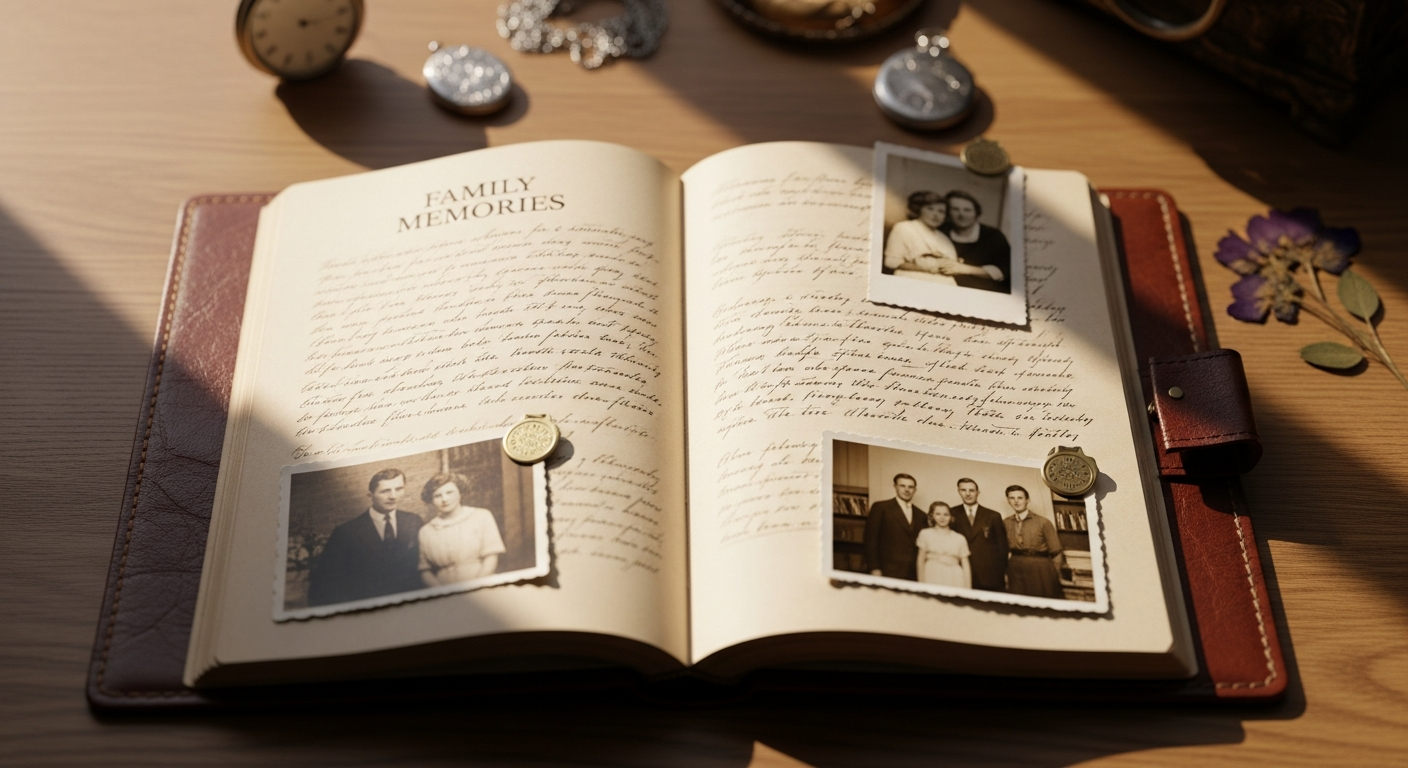
Over 100,000 families have chosen to preserve their most precious memories in a single, tangible keepsake. These aren't just photo albums or scattered documents—they're professionally bound memoirs that capture the voice, personality, and lived experience of the people we love most. Yet the vast majority of people never document their life stories, not because they lack meaningful experiences, but because the process feels overwhelming, technical, or time-consuming.
The Memorygram Legacy Book changes that equation entirely. Family history preservation has traditionally required either hiring expensive ghostwriters or struggling through complicated digital platforms that demand typing skills, comfort with technology, and sustained motivation. Memorygram reimagined this space by creating a guided memoir service that meets people exactly where they are—literally. Whether your grandmother prefers speaking to typing or your father has never owned a computer, this solution works seamlessly with their comfort level and lifestyle.
Your loved ones' stories deserve to be heard and remembered. Explore how the Memorygram Legacy Book transforms everyday conversations into a professionally bound memoir.
The Phone Interview System That Makes Storytelling Effortless
How the Voice-to-Memoir Conversion Process Works Without Requiring Typing or Technical Skills
The foundation of Memorygram's approach rests on a simple but powerful insight: people are natural storytellers. We tell stories at dinner tables, at reunions, over coffee. We recall memories with vivid detail and emotional authenticity. What people struggle with is translating those stories into written form—the blank page, the keyboard, the pressure to organize thoughts into proper sentences.
The phone interview system removes this friction entirely. Participants simply call a designated number and speak their stories into the phone. There's no app to download, no interface to navigate, no cursor blinking at them accusingly. They talk, and Memorygram listens.
Why Speaking Feels More Natural Than Writing for Capturing Authentic Life Narratives
When someone writes their story, they often become self-conscious. They pause to correct grammar, reorganize sentences, or worry whether their phrasing sounds "good enough." The result is often stiff, formal, and somehow less true to who they actually are.
Speaking bypasses these filters. Your grandmother's accent, her timing, the way she emphasizes certain moments—these emerge naturally in speech. She'll include asides, laugh at her own memories, and express emotions that would take paragraphs to convey in written form. The phone interview captures the authentic voice of the storyteller, not some edited, sanitized version.
The Transcription and Narrative Integration Process That Preserves the Storyteller's Unique Voice and Cadence
Once the phone recordings are captured, Memorygram's team transcribes them with meticulous attention to detail. However, transcription isn't their final step—it's the foundation. Professional editors then weave these transcriptions into a cohesive narrative that reads like a genuine memoir. They maintain the storyteller's unique voice and cadence throughout, preserving the essential personality that makes the story compelling.
This is where the service distinguishes itself from simple voice recording platforms. The finished product isn't a transcribed phone call; it's a carefully crafted memoir that sounds authentic because it is authentic. Phrases, expressions, and conversational elements that give the storyteller their distinctive voice remain intact.
How Seniors and Non-Tech-Savvy Individuals Can Participate Without Frustration or Learning Curves
Many seniors hesitate to participate in digital projects because they fear technology. They worry about doing something wrong, making mistakes, or encountering technical problems. The phone interview system eliminates these concerns entirely. Everyone knows how to use a phone. There's no learning curve, no settings to adjust, no software to master.
The simplicity of the process means more family members can contribute their stories. Grandparents who would never attempt to write a memoir or navigate a complicated digital platform can participate fully. Aunts and uncles who live far away can record their stories from their own homes. Cousins can add their perspectives. What emerges is a richer, more complete family history than any single person could create alone.
The Role of Guided Prompts and Interview Questions in Drawing Out Meaningful Stories
While the phone system is simple, it's not unstructured. Memorygram provides a year of guided questions designed to draw out meaningful stories. These prompts are thoughtfully crafted to elicit specific memories—not vague recollections, but vivid details about pivotal moments, challenges overcome, lessons learned, and people who mattered.
A good question prompts reflection. Instead of "Tell me about your childhood," a guided prompt might ask "What's one skill your parent taught you that you still use today?" or "Describe a moment when you realized you'd become an adult." These specific questions help storytellers access genuine memories and articulate why those moments matter.
Quality Assurance Measures to Ensure Accurate Transcription and Authentic Voice Preservation
Accuracy matters. A misspelled name or a missed detail can undermine the credibility and emotional impact of the final product. Memorygram employs quality assurance measures throughout the transcription and editing process to ensure that names, dates, and specific details are captured correctly.
Equally important is the preservation of authentic voice. Editors work carefully to maintain the storyteller's natural expression while improving clarity and flow. The goal is never to make someone sound more polished or sophisticated than they are—it's to make their authentic self shine through in the clearest, most engaging way possible.
Ready to capture your family's authentic stories? Start your Memorygram Legacy Book today and preserve what matters most.
Beyond Words—The Power of QR Code Voice Integration
How Embedded QR Codes Connect Written Stories to Original Voice Recordings
The finished Memorygram Legacy Book isn't simply a written memoir—it's a bridge between text and sound. Throughout the hardcover book, QR codes are strategically placed alongside written stories. When a reader scans one of these codes with a smartphone or tablet, they're immediately transported into a more intimate experience: they hear the storyteller's voice.
This integration of print and digital elements creates something genuinely unique. The physical book is beautiful and tangible—something to hold, to display on a shelf, to pass down. Yet it also contains portals to a deeper, more personal connection through voice.
The Emotional Impact of Hearing a Loved One's Actual Voice Alongside Their Written Memoir
Reading about someone's life experiences is meaningful. Hearing them tell those stories in their own voice is profound. There's something about the human voice—its tone, inflection, and emotion—that creates an immediate, visceral connection to the storyteller.
A grandchild reading their grandmother's memoir might smile at familiar expressions or laugh at the way she emphasizes certain words. They might pause to listen to the emotion in her voice as she describes a loss or a triumph. Long after that grandmother is gone, her voice—her actual voice—remains in the book. It's no longer an abstraction; it's a presence.
Creating a Multi-Sensory Experience That Deepens Family Connections Across Generations
Memory is multi-sensory. We don't just remember what happened; we remember how something felt, what it sounded like, what we smelled or tasted. By combining written narrative with voice recordings, the Memorygram Legacy Book engages multiple senses and creates a more complete memory experience.
A teenager flipping through the book encounters their grandfather's written story about moving to a new country. They read about the fears and hopes he carried with him. Then they scan the QR code and hear him describe the same moment in his own voice—the slight accent they've always known, the warmth in his tone, the pause before he mentions how much he missed his family. The experience becomes richer, more real, more affecting.
Technical Accessibility: Scanning QR Codes on Any Smartphone or Device
The beauty of the QR code approach is its universal accessibility. Nearly every smartphone and tablet manufactured in the past decade can scan QR codes with the device's built-in camera. There's no special app to download, no complicated steps to follow. Point, scan, listen.
This means that future generations—whether they're tech-savvy or not—can access the voice recordings without difficulty. The barrier to entry is virtually zero, ensuring that the legacy you're creating today remains accessible for decades to come.
Preserving Tone, Accent, and Personality That Text Alone Cannot Capture
Writing flattens human complexity. A page of text can convey facts and emotions, but it can't capture tone of voice, regional accent, or the subtle ways someone emphasizes different words to convey meaning. Your mother's slight Southern drawl, your father's habit of laughing at his own jokes, your uncle's serious tone when discussing something important—these personality markers don't translate to the page.
Voice recordings preserve these elements perfectly. They capture not just what someone said, but how they said it. Future generations won't just read about their ancestors; they'll know them through their actual voices, which feels like a true presence.
Building a Living Archive That Bridges Digital and Physical Memory Preservation
The Memorygram Legacy Book represents a thoughtful middle ground between purely digital and purely physical memory preservation. Digital archives can be lost to technological obsolescence or data corruption. Physical books deteriorate over time. By combining both—a beautiful printed book with embedded access to digital voice files—Memorygram creates a more resilient legacy.
The book itself is a heirloom, something beautiful enough to display and substantial enough to be treasured. Yet it's not static. The voice recordings breathe life into it, making it feel alive, responsive, and personal.
Making Your Legacy Book Decision
The Memorygram Legacy Book represents more than just a product—it's a bridge between the stories that define your family and the generations who deserve to know them. By removing barriers like technology anxiety and writing intimidation, it transforms the preservation of family history into something genuinely accessible.
Your parents' stories matter. Your grandparents' experiences shaped not just their lives but yours. The lessons they learned, the challenges they overcame, the relationships they valued—these narratives hold value that money cannot measure. Yet they remain locked inside the minds of aging family members, growing fainter with each passing year.
The combination of voice recordings, professional narrative writing, and a beautiful printed keepsake creates an heirloom that endures. The process respects the people whose stories are being told—whether they're comfortable with technology or not, whether they prefer speaking to writing, whether they have hours to dedicate to the project or only brief moments between other responsibilities.
Whether you're capturing your parents' life experiences, documenting your own story, or preserving family heritage, this service delivers on its promise to make memory preservation feel natural, meaningful, and lasting. The finished book sits on your shelf as both a reference and a treasure. When family members gather, they can pull it down, read together, and hear the voices of people they love.
Leave a Reply