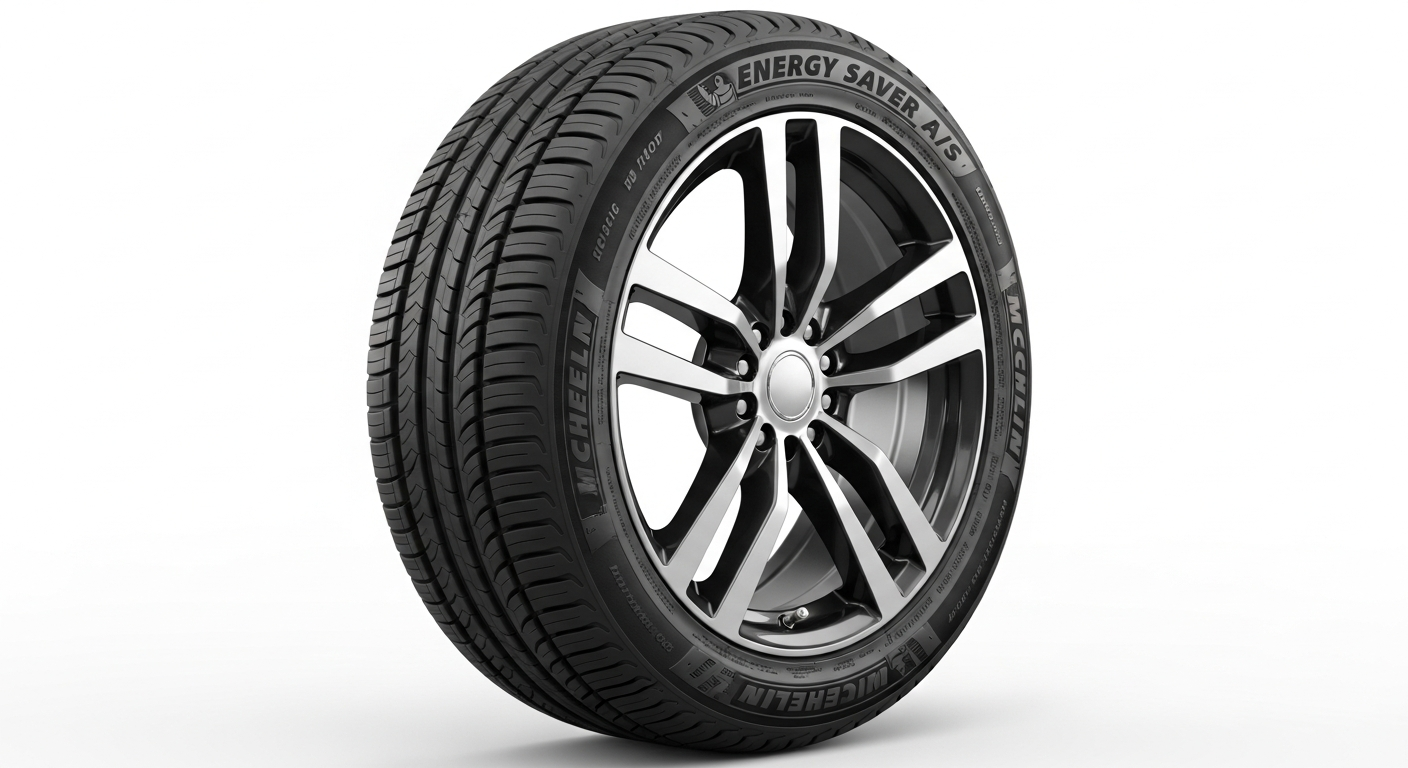
Did you know that tire rolling resistance accounts for roughly 20% of a vehicle's fuel consumption? The Michelin Energy Saver A/S changes that equation entirely—and it's why this tire consistently dominates best-seller lists across Europe and North America. This all-season tire represents a deliberate shift toward sustainability without sacrificing performance, engineered specifically for drivers who care about their carbon footprint and their wallet simultaneously.
This tire has earned its reputation through a combination of innovative engineering and real-world results. Michelin designed the Energy Saver A/S with a singular focus: helping your engine work smarter, not harder. The integration of advanced Green X technology, MaxTouch Construction, and Comfort Control Technology creates a package that addresses multiple driving concerns simultaneously. Discover how the Michelin Energy Saver A/S can transform your driving efficiency today.
From its innovative Green X technology and real-world fuel economy improvements to pricing breakdowns and honest user feedback, this comprehensive guide covers what you need to know. You'll discover where this tire excels, where it falls short, and whether it's genuinely worth the investment for your driving habits and climate conditions.
How Green X Technology Actually Reduces Your Fuel Costs
Rolling resistance represents one of the most underappreciated factors affecting fuel consumption. When a tire deforms as it rolls, it dissipates energy as heat—and that energy loss directly translates to your engine burning more fuel to maintain speed. Michelin's Green X technology targets this fundamental inefficiency by reducing the energy required to keep the tire moving forward.
Understanding Rolling Resistance and Fuel Economy Impact
Every tire generates rolling resistance, but the degree varies significantly based on design and materials. The Energy Saver A/S achieves lower rolling resistance through precise engineering of its internal structure and compound formulation. This translates to measurable fuel savings—drivers frequently report improvements ranging from 3-5% in fuel economy compared to standard all-season tires.
Green X Technology Engineering Principles
Michelin's Green X system operates on multiple levels simultaneously. The EnergySaver Construction keeps the tire cooler during operation, which directly reduces the energy lost to heat generation. A cooler tire flexes more efficiently, requiring less fuel consumption to maintain highway speeds. This cooling effect becomes particularly noticeable during extended drives where tire temperatures would otherwise climb.
EnergySaver Construction and Heat Minimization
The construction method used in the Energy Saver A/S distributes stress more evenly across the tire structure. Rather than creating localized hot spots that waste energy, the design promotes uniform deformation and cooling. This thermal efficiency means your vehicle's engine doesn't need to compensate for increased rolling resistance as miles accumulate.
Silica-Based Tread Compound Advantages
The silica-based tread compound provides grip characteristics that enhance efficiency without compromising safety. Silica naturally reduces the grip-rolling resistance trade-off that plagues many tire designs. The compound maintains its properties across temperature ranges, meaning efficiency gains remain consistent whether you're driving in mild spring weather or cooler autumn conditions.
Tread Life and Durability: What the 50,000-65,000 Mile Warranty Means
Michelin backs the Energy Saver A/S with a treadwear warranty ranging from 50,000 to 65,000 miles, depending on tire size and speed rating. This warranty represents confidence in the tire's construction, but understanding what influences actual tread life requires looking beyond the headline numbers.
MaxTouch Construction and Weight Distribution
MaxTouch Construction technology ensures maximum contact with the road surface through optimized sidewall stiffness and belt architecture. This even contact distribution means tread wear occurs uniformly rather than concentrating at specific points. Uneven wear patterns accelerate overall tire degradation, so this technology directly contributes to reaching warranty mileage targets.
Tread Wear Patterns and Performance Consistency
Tread depth directly correlates with performance characteristics. As the Energy Saver A/S wears, its rolling resistance properties remain stable through most of its lifespan. However, wet traction diminishes noticeably as tread depth decreases below 4/32 of an inch. This gradual degradation means the tire maintains reliable dry and light-wet performance until well into its service life.
Warranty Coverage: Speed Ratings and Size Variations
The warranty structure varies based on tire size and speed rating. Higher speed-rated versions sometimes show slightly lower mileage warranties due to the increased thermal stress at higher speeds. Standard all-season versions typically reach the upper warranty limits. This variation reflects the engineering reality that speed capability and tread life exist in tension with each other.
Factors Influencing Actual Tread Life
Several variables affect how long your Energy Saver A/S tires actually last. Driving habits matter significantly—aggressive acceleration and hard braking accelerate wear. Underinflation increases tread wear substantially, as does overinflation, though in different wear patterns. Regular rotation every 5,000-7,000 miles helps achieve maximum lifespan. Road conditions, particularly rough surfaces and frequent pothole encounters, reduce tread life below warranty estimates. Maximize your tire investment by choosing the Michelin Energy Saver A/S for proven durability and value.
Braking Performance and Wet-Weather Handling: The Trade-Offs
Michelin claims the Energy Saver A/S delivers stopping distances up to eight feet shorter than leading competitors in controlled braking tests. This claim deserves examination, as does the reality of wet-weather performance reported by actual drivers.
Braking Test Claims and Real-World Performance
The eight-foot advantage comes from Michelin's controlled testing scenarios where variables remain constant. Real-world braking involves different pavement conditions, vehicle weights, and brake systems. Independent testing generally confirms the Energy Saver A/S performs well in dry braking, though the advantage over premium all-season competitors often measures smaller than Michelin's headline claim.
Silica Compound Grip Characteristics
The silica-based compound excels on dry pavement, where it maintains predictable grip through moderate cornering and acceleration. This dry performance represents one of the tire's genuine strengths. However, the same compound formulation that maximizes efficiency sacrifices some wet-traction capability. This is the fundamental trade-off: you gain fuel efficiency by accepting reduced grip when roads become wet.
Cold Weather Performance and Hydroplaning Resistance
In cold conditions, the silica compound remains reasonably pliable, which helps maintain traction in near-freezing temperatures. However, the tire is not engineered for serious winter driving. Its hydroplaning resistance comes from circumferential and lateral grooves designed to channel water effectively at moderate speeds. At higher speeds on standing water, hydroplaning risk exists, particularly as the tire wears.
User Feedback on Wet and Slippery Surfaces
Owner reports reveal a consistent pattern: the Energy Saver A/S performs adequately in light rain and wet roads, but struggles in heavy downpours or on ice. Drivers who encounter frequent heavy rain or winter weather report noticing grip limitations, particularly as tread wears. Those in temperate climates with infrequent heavy precipitation report satisfactory wet-weather performance. This inconsistency reflects the tire's design priority: efficiency over extreme-weather capability.
Comfort, Noise, and Daily Driving Experience
The Energy Saver A/S distinguishes itself through exceptional ride quality and minimal noise generation. For daily commuters and long-distance drivers, these characteristics often matter more than outright performance numbers.
Comfort Control Technology and Vibration Reduction
Comfort Control Technology uses computer-optimized design combined with precision manufacturing to minimize vibrations transmitted to the vehicle's cabin. The tire's internal damping characteristics reduce the harshness typically associated with road imperfections. This technology directly translates to a smoother ride over highway surfaces and reduced fatigue on long drives.
Ride Quality from Commuters and Long-Distance Drivers
Owner feedback consistently highlights the quiet, smooth ride quality. Commuters report that highway driving feels less tiring with these tires installed. Long-distance drivers particularly appreciate the noise reduction, as cabin quietness improves the driving experience substantially over several hours. Many owners note that conversations inside the vehicle become easier because tire noise doesn't mask speech.
Steering Response and Highway Confidence
The tire's responsiveness to steering inputs remains predictable throughout its lifespan. Drivers report confident highway performance with minimal wander or wandering feedback through the steering wheel. This predictability contributes to the tire's popularity among drivers who value straightforward, anxiety-free highway driving.
Vehicle Interior Noise and Passenger Experience
Reduced road noise translates directly to a quieter vehicle interior. Passengers benefit from this improvement as much as drivers do. The cabin remains noticeably quieter compared to many competitor all-season tires, which enhances the overall driving experience for everyone in the vehicle.
Pricing Strategy: Understanding the $140-$436 Range
The wide price range reflects significant variation by tire size and where you purchase. Understanding what drives these differences helps you identify genuine value.
Base Price Points and Size-Based Variation
Standard sizes typically cost between $140-$211 per tire, making them accessible for most budgets. Larger sizes, particularly those for SUVs and performance vehicles, command premium pricing reaching $436.99 per tire in some cases. This variation reflects the additional material required for larger sizes and lower demand for niche dimensions.
Value Proposition: Cost-Per-Mile Analysis
The real value emerges when calculating cost-per-mile over the tire's complete lifespan. A $160 tire with 65,000-mile warranty costs approximately 2.46 cents per mile in tire cost alone. Factor in fuel savings of 3-5% over those 65,000 miles, and the actual cost-per-mile drops significantly. For many drivers, this calculation reveals that fuel efficiency savings offset the tire cost within the first 15,000-20,000 miles.
Competitor Pricing Comparison
Similar all-season tires from Goodyear and Bridgestone typically fall within comparable price ranges, though their fuel efficiency advantages may be less pronounced. Premium brands like Continental often cost more for marginal performance improvements. The Energy Saver A/S positions itself as the efficiency-focused option with competitive pricing.
Installation and Total Investment Considerations
Budget an additional $100-$200 for installation, balancing, and tire disposal across all four tires. This brings total investment for a complete set to $660-$1,044 depending on tire size. Many retailers offer seasonal discounts during off-peak periods, particularly in spring and fall, which can reduce costs by 10-20%.
Who Benefits Most From the Energy Saver A/S
Not every driver or climate makes the Energy Saver A/S the optimal choice. Identifying whether you fall into the ideal customer profile determines whether this tire delivers genuine value for your situation.
Hybrid Vehicle Owners and Maximum Efficiency Seekers
Hybrid owners represent the ideal customer. These vehicles' efficiency-focused engineering aligns perfectly with the tire's design philosophy. The fuel savings that might seem modest on a conventional vehicle become more significant percentage-wise on hybrids. Hybrid owners often accept minor performance trade-offs to maximize efficiency.
Eco-Conscious and Cost-Focused Drivers
Drivers prioritizing environmental responsibility appreciate the tire's reduced rolling resistance and lower CO2 emissions contribution. Those watching fuel costs closely recognize that the Energy Saver A/S delivers measurable savings over time. Daily commuters and high-mileage drivers benefit most from this perspective.
Temperate Climate Commuters
The Energy Saver A/S thrives in moderate climates where snow and ice appear infrequently or not at all. Drivers in regions with mild winters and predictable weather patterns experience the tire's benefits without encountering its limitations. This includes most of the continental United States south of the snow belt.
Budget-Conscious Consumers Balancing Value
Those seeking the best balance between cost and performance find the Energy Saver A/S compelling. The combination of reasonable pricing, proven durability, and documented fuel savings creates genuine value that resonates with pragmatic buyers.
Real User Experiences: What Owners Actually Report
Aggregated owner feedback reveals patterns that balanced evaluation requires acknowledging.
Positive Feedback on Efficiency and Comfort
Owners consistently report noticeable fuel economy improvements, with many documenting 3-4% better mileage after switching to the Energy Saver A/S. The quiet, smooth ride generates widespread satisfaction. Drivers appreciate the predictable handling characteristics and the tire's reliable dry-weather performance. Owners who replace these tires often purchase them again, indicating genuine satisfaction.
Complaints About Wet Grip and Cold Weather
Some owners report that wet traction feels less assured than on previous tires, particularly in heavy rain. Those in cold climates note limited performance on icy surfaces. These complaints concentrate among drivers with high-performance expectations or those in challenging climates, rather than appearing universally.
Tread Wear Inconsistencies and Durability Concerns
A subset of owners report premature tread wear below warranty estimates, though this typically correlates with irregular maintenance or aggressive driving. More concerning are scattered reports of sidewall failures and unexpected flats, though these appear relatively uncommon. The overwhelming majority of users achieve or exceed warranty mileage without major issues.
Overall Satisfaction and Repeat Purchase Rates
Overall satisfaction ratings consistently exceed 4 out of 5 stars across major tire retailers and review platforms. Owners frequently recommend these tires to friends and family. Repeat purchase rates suggest that owners who understand the tire's design priorities and climate limitations regard it as excellent value.
The Bottom Line: Balancing Efficiency With Performance Expectations
The Michelin Energy Saver A/S delivers genuine fuel savings and exceptional comfort for drivers willing to accept certain performance trade-offs. This tire excels for moderate-climate commuters and eco-conscious vehicle owners who prioritize rolling efficiency over extreme weather capability. The 50,000-65,000 mile warranty, combined with documented fuel economy improvements, creates a compelling value proposition for everyday driving.
However, if you frequently encounter deep snow, ice, or require maximum wet-weather grip, exploring alternatives makes sense. Your decision ultimately hinges on three factors: your climate zone, driving patterns, and whether fuel efficiency aligns with your priorities. For temperate regions and predictable commuting, the Energy Saver A/S represents smart, sustainable tire engineering.
The tire's popularity across Europe and North America reflects genuine merit rather than marketing hype. Real drivers in appropriate climates experience the benefits Michelin promises. The trade-off—accepting slightly reduced wet and cold performance for meaningful efficiency gains—resonates with drivers who understand what matters most to them.
Ready to make the switch? Compare your current tire costs against potential fuel savings over the tire's lifespan—the numbers often justify the investment faster than you'd expect. Start saving on fuel today with the Michelin Energy Saver A/S tire.
Leave a Reply