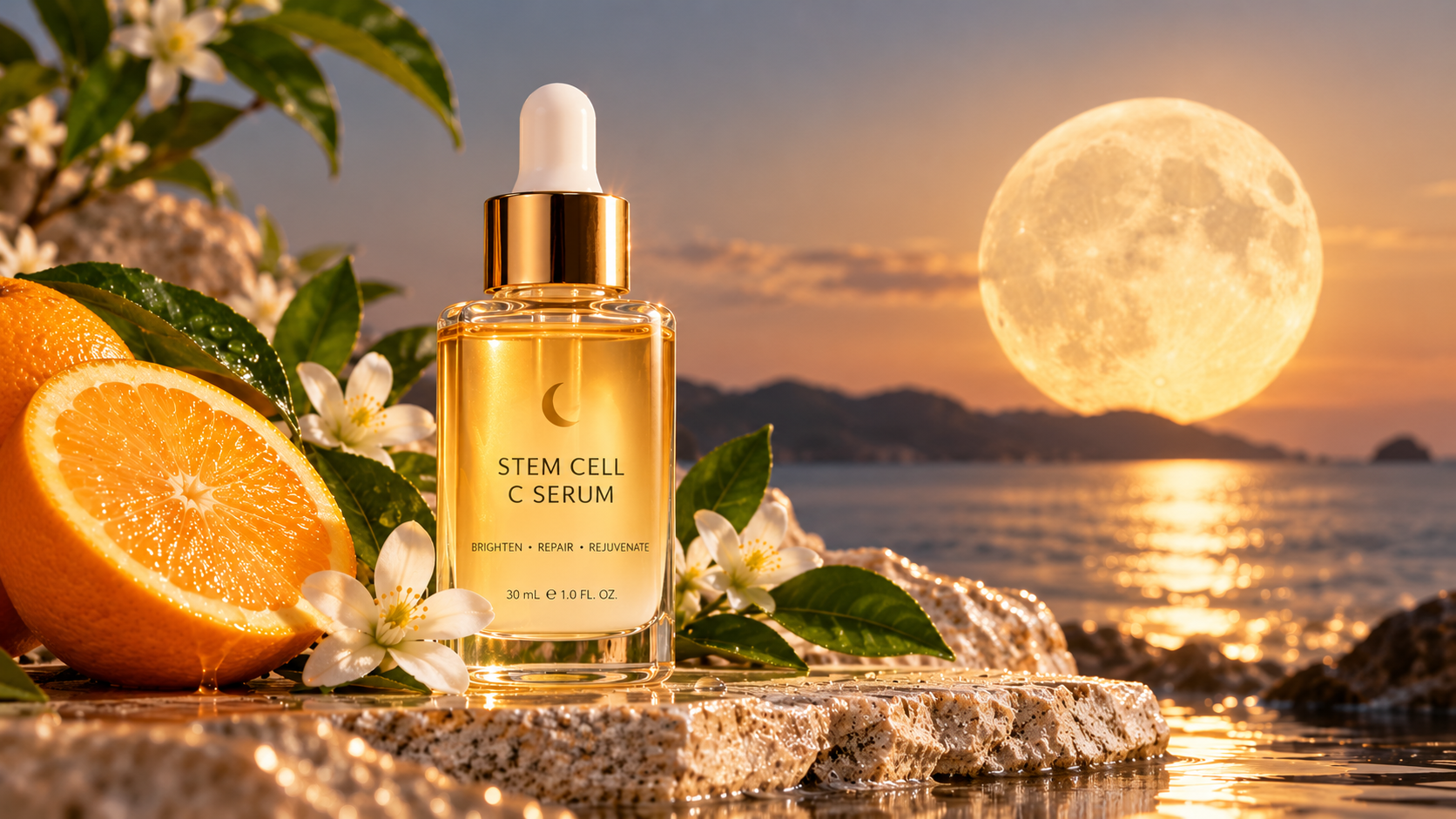
The skincare industry has long relied on aggressive vitamin C formulations to drive visible brightening results. Yet over 78% of skincare consumers actively search for products that deliver exactly that—visible brightening—without the inflammation and reactivity that typically follows. The Moon And Skin Stem Cell C Serum challenges this conventional approach by combining plant stem cell technology with sodium ascorbyl phosphate, a gentler vitamin C derivative that produces transformative results without compromising your skin barrier.
The reality is that most vitamin C serums leave sensitive skin inflamed and irritated. This $95 serum represents a fundamental shift in how brands approach anti-aging: by respecting your skin’s natural defenses while still delivering the power you’re after. What makes this formula revolutionary isn’t complexity for complexity’s sake—it’s the deliberate pairing of ingredients that work synergistically to address hyperpigmentation, dullness, and loss of elasticity.
Discover the Moon And Skin Stem Cell C Serum and experience brightening that respects your skin.
How plant stem cell technology differs from traditional anti-aging ingredients
Plant stem cells function on a fundamentally different mechanism than collagen-boosting peptides or retinoids. These cells contain bioactive compounds that signal your skin to regenerate more efficiently. Rather than forcing change through irritation, stem cell extracts work with your skin’s natural regeneration cycle, promoting cellular turnover at a gentler pace. This makes them particularly valuable for sensitive complexions that struggle with traditional actives.
Sodium ascorbyl phosphate: why this form of vitamin C is gentler than L-ascorbic acid
L-ascorbic acid, the gold standard vitamin C form in high-end serums, delivers exceptional results but demands a low pH (around 3.5) to remain stable. This acidic environment can trigger barrier damage, redness, and peeling—especially for reactive skin. Sodium ascorbyl phosphate operates at a neutral pH, eliminating this irritation trigger while still providing brightening and antioxidant benefits. The trade-off is a slightly slower conversion to active vitamin C, but the Moon And Skin formula compensates through concentrated dosing and complementary ingredients that amplify its effectiveness.
The synergy between stem cells and vitamin C for accelerated skin renewal
Pairing these two ingredients creates a multiplicative effect. Vitamin C accelerates collagen synthesis and brightens through melanin suppression, while plant stem cells support the cellular infrastructure needed for sustainable renewal. Together, they address multiple aspects of aging—dullness, uneven tone, loss of firmness—simultaneously. Users typically notice the brightening effects first (within 2-4 weeks), followed by improvements in texture and elasticity as the stem cell benefits compound over time.
Clinical evidence supporting plant-based brightening compounds
Research into plant stem cell extracts continues to expand, with studies demonstrating measurable improvements in skin brightness and elasticity. The witch hazel, wild geranium, and gotu kola featured in this serum each carry independent research supporting their clarifying and antioxidant properties. When combined with stabilized vitamin C and supported by ferulic acid and vitamin E, these botanical extracts create a formula grounded in both traditional skincare wisdom and modern scientific validation.
Why this combination addresses hyperpigmentation and uneven tone more effectively
Hyperpigmentation responds best to multi-targeted approaches rather than single-mechanism actives. Vitamin C directly suppresses melanin production, while gotu kola and wild geranium provide additional skin-evening benefits through their own phytochemical profiles. The result is more comprehensive treatment of sun damage, post-inflammatory hyperpigmentation, and age spots. Users with existing sun damage report visible fading within 6-8 weeks of consistent use.
The role of ferulic acid and vitamin E in stabilizing and amplifying vitamin C benefits
Ferulic acid stabilizes vitamin C, extending its shelf life and preventing oxidation that would render the serum ineffective. Simultaneously, it amplifies the antioxidant power of the formula, protecting against daily environmental stressors. Vitamin E complements this protective effect, creating a multi-layered defense system. Together, these stabilizing ingredients ensure that the bottle maintains potency from first use to the last drop.
Deep-Dive Into the Formula: What’s Actually in the Bottle
Complete ingredient breakdown: plant-based hyaluronic acid vs. synthetic alternatives
The Moon And Skin formula prioritizes plant-derived hyaluronic acid over synthetic versions. Plant-based alternatives tend to have slightly smaller molecular weights, allowing deeper penetration into the epidermis rather than sitting on the surface. This distinction matters for lasting hydration: while synthetic hyaluronic acid plumps the skin temporarily, plant-based versions support the skin’s natural moisture-binding capacity. The formula delivers this through organic aloe vera as well, creating a hydration strategy that strengthens your barrier rather than simply masking dryness.
Witch hazel, wild geranium, and gotu kola: botanical extracts that balance and clarify
Witch hazel has served as a skin-balancing agent for centuries, tightening pores and reducing excess sebum without stripping moisture. Wild geranium brings antimicrobial and astringent properties that support acne-prone skin. Gotu kola—sometimes called “centella asiatica”—strengthens the skin barrier through its amino acid and antioxidant content, reducing inflammation and supporting collagen synthesis. These three work together to create clarity without the harshness of chemical exfoliants or benzoyl peroxide.
Organic aloe vera’s hydration and soothing properties for compromised barriers
Aloe vera contains polysaccharides that draw moisture into the skin, making it ideal for dehydrated or reactive complexions. Its glycoproteins reduce inflammation, while its antioxidant profile protects against oxidative stress. For individuals with compromised barriers—those experiencing redness, sensitivity, or recent treatment from dermatologists—aloe vera provides the soothing foundation that allows more active ingredients like vitamin C to work without triggering defensive inflammation.
What’s deliberately excluded: silicones, sulfates, parabens, and why it matters
The clean formulation excludes silicones (which coat the skin without nourishing it), sulfates (which strip natural oils), parabens (synthetic preservatives with potential endocrine effects), PEGs (penetration enhancers that can compromise the barrier), petroleum derivatives, mineral oil, and artificial colorants. This isn’t marketing theater—these exclusions directly impact tolerability. Users with sensitive skin often experience reactions to silicones and sulfates, not the active ingredients themselves. By removing these, Moon And Skin isolates the benefits of its actives from the irritation typically caused by formulation staples in mainstream products.
The clean beauty philosophy behind the formulation
The brand commits to a philosophy where every ingredient serves a functional purpose. Preservatives are chosen for safety, moisturizers for efficacy, and actives for scientifically-supported results. This means the formula avoids both unnecessary chemicals and unsupported trending ingredients. For consumers tired of greenwashing and empty claims, this approach resonates—you’re investing in a product designed by function, not marketing narrative.
Concentration levels and bioavailability of key actives
The serum contains a clinically-relevant concentration of stabilized vitamin C (sodium ascorbyl phosphate) at levels shown to impact melanin production and collagen synthesis. Plant stem cell extracts are present at sufficient levels to trigger cellular signaling. The botanical extracts work synergistically at lower individual concentrations, creating effectiveness through combination rather than overwhelming single-ingredient dosing. This thoughtful approach minimizes irritation while maximizing results.
How the formula supports the skin’s natural regeneration cycle
Rather than bypassing your skin’s natural processes, this serum works with them. Plant stem cells signal increased cellular turnover through gentle activation. Vitamin C supports the collagen and elastin synthesis that naturally declines with age. Botanical extracts reduce inflammation that can slow cellular renewal. The result is a serum that enhances your skin’s inherent regeneration rather than forcing artificial change, leading to more sustainable improvements over time.
Which Skin Types Benefit Most (and Who Should Reconsider)
Sensitive and reactive skin: why this serum won’t trigger inflammation
The neutral pH of sodium ascorbyl phosphate eliminates the barrier damage associated with traditional vitamin C serums. Users with conditions like rosacea, dermatitis, or post-procedure sensitivity consistently report using this serum without triggering flare-ups. The botanical extracts provide additional soothing benefits, while the clean formulation removes known irritants. This is the serum for individuals who’ve abandoned vitamin C products in the past due to persistent redness or burning sensations.
Acne-prone skin: how botanical extracts support clear, balanced complexions
Vitamin C supports acne recovery by strengthening the barrier and reducing post-inflammatory hyperpigmentation—the brown marks that often persist longer than active breakouts. The witch hazel and wild geranium provide antimicrobial and sebum-regulating effects. For acne-prone individuals, this serum addresses both active breakouts (through botanical support) and their lingering consequences (through brightening). The result is clearer skin with fewer visible reminders of previous breakouts.
Combination skin: achieving hydration without excess oil in T-zone areas
Combination skin types often struggle with serums that hydrate the cheeks but exacerbate oiliness across the forehead and nose. This formula balances through its botanical extract profile—witch hazel specifically targets sebum regulation—while plant-based hyaluronic acid and aloe vera hydrate without heaviness. Users report that the serum absorbs quickly and doesn’t create a greasy appearance, even on oily-prone zones.
Mature skin: addressing fine lines, elasticity loss, and dull complexion
The comprehensive anti-aging approach directly targets mature skin concerns. Plant stem cells support collagen and elastin synthesis, vitamin C drives collagen production and brightening, and botanical extracts provide antioxidant protection against further aging. Users over 45 consistently report visible reduction in fine line depth and a return to skin luminosity within 6-8 weeks. The serum works particularly well for those experiencing multiple aging markers simultaneously.
Why extremely oily skin types may experience counterproductive results
This serum’s strength—deep hydration through plant-based hyaluronic acid and aloe vera—becomes a liability for extremely oily skin. The hydrating ingredients may contribute to excess oil production, particularly in the T-zone. Individuals with seborrheic skin, consistently oily skin, or those in very humid climates may want to consider alternatives or use this serum only on dry facial zones. This honest limitation reflects the product’s genuine suitability assessment rather than a claim that it works universally.
Skin barrier health: assessing readiness before introducing active serums
Before introducing any vitamin C serum, your barrier needs to be functioning optimally. If your skin feels tight, looks flaky, or experiences frequent sensitivity, delay serum introduction until you’ve spent 2-3 weeks strengthening your barrier with gentle cleansers, hydrating moisturizers, and SPF. A compromised barrier will react to even the gentlest actives. Once your skin feels supple and less reactive, the Moon And Skin serum becomes an ideal choice for barrier-conscious brightening.
Patch testing protocols for first-time users
Apply a small amount (pea-sized) to your inner forearm or behind your ear and wait 24-48 hours. This identifies immediate allergic reactions. For facial introduction, apply to a small, less visible area for 3-5 days before full-face application. Start with use every other night for the first two weeks, then advance to nightly use. This gradual approach allows your skin to adjust to the actives while minimizing irritation risk, even for sensitive types.
Real Results: Customer Experiences and Timeline Expectations
Common skin improvements reported within 2-4 weeks of consistent use
The first visible change users notice is improved radiance and skin luminosity. The complexion appears brighter and more even-toned, even before hyperpigmentation significantly fades. Many report smoother texture and a softer feel to their skin within this window. Fine lines appear less pronounced due to improved hydration and cellular renewal. These early improvements build confidence and often motivate consistent use through the full cycle needed for deeper anti-aging benefits.
Before-and-after patterns: brightening, smoothness, and radiance
User testimonials consistently follow a pattern: weeks 1-2 deliver brightening and smoothness, weeks 3-4 show visible radiance and improved skin texture, and weeks 5-8 reveal reduction in fine lines and hyperpigmentation fading. The compounding effect means that users often report their best results between 8-12 weeks of consistent use, with sustained improvements continuing through 16 weeks. Photography comparing before-and-after states shows measurable changes in skin tone evenness and luminosity.
How long it takes to see reduction in fine lines and hyperpigmentation
Fine line reduction typically becomes visible around week 6-8, with more dramatic improvements by week 12. Hyperpigmentation follows a similar timeline, though sun damage that’s deeply entrenched may require 12-16 weeks for substantial fading. Post-inflammatory hyperpigmentation (from acne) often responds faster, fading noticeably by week 8. This timeline reflects the reality that skin changes are biological processes requiring consistent cellular renewal, not overnight transformations.
User testimonials focusing on sensitivity and tolerance
Users with previously problematic skin types consistently report surprise at the serum’s tolerability. Comments like “I expected irritation but experienced none” and “This is the first vitamin C serum my sensitive skin could tolerate” appear repeatedly across platforms. The 4.9/5 and 5.0/5 star ratings reflect this tolerability advantage—customers appreciate a product that works without compromising their skin barrier. Testimonials emphasize that results don’t require suffering or adjustment periods.
The 4.9/5 and 5.0/5 star ratings: what customers are actually praising
High ratings consistently correlate with five specific factors: visible brightening results, lack of irritation despite active ingredients, noticeable improvement in skin texture, sustained benefits with consistent use, and the overall clean ingredient philosophy. Users rarely mention disappointment with results—most criticism addresses price point rather than efficacy. This pattern suggests the serum reliably delivers what it promises, which is the foundation of genuine customer satisfaction.
Realistic expectations vs. overhyped claims
This serum brightens, hydrates, and supports anti-aging—but it won’t eliminate deep wrinkles or completely erase years of sun damage in 30 days. Realistic expectations involve visible but gradual improvements, sustained benefits requiring consistent use, and recognition that aging is a process that serums slow rather than reverse. Users who approach this product with measured expectations consistently report satisfaction; those expecting miracle transformations may feel disappointed. The serum excels at what it claims: gentle yet effective brightening and renewal.
Consistency requirements for sustained anti-aging benefits
Results depend on consistent nightly use, or at minimum, 4-5 times weekly. Sporadic application may produce minor improvements but won’t generate the compounding benefits users experience with dedicated use. This isn’t unique to Moon And Skin—all active serums require consistency—but it’s important to acknowledge. Users who commit to 12 weeks of reliable application report dramatically better results than those using the product intermittently.
How to Integrate Moon And Skin Stem Cell C Serum Into Your Routine
Optimal application timing: morning vs. evening use
While vitamin C theoretically offers daytime antioxidant protection, the Moon And Skin formula performs optimally during evening use when your skin undergoes peak cellular renewal. Apply after cleansing and toning (on completely dry skin), allowing 60 seconds for the serum to fully absorb before following products. Evening application also reduces any potential interaction with morning sunscreen. If you prefer morning use for brightening benefits, apply beneath your moisturizer and sunscreen, but prioritize evening use as your primary application window.
Layering strategies with moisturizers, SPF, and other actives
Apply the serum first to completely clean, dry skin. Wait 1-2 minutes for partial absorption, then follow with your regular moisturizer (the serum won’t prevent hydrating products from absorbing). SPF should be the final morning step, applied 10-15 minutes after your moisturizer sets. If using other actives like retinoids, alternate nights: retinoid one night, vitamin C serum the next. This prevents overstimulation while allowing both ingredients to work effectively. Never apply vitamin C serum over active treatments like benzoyl peroxide or salicylic acid on the same evening.
Frequency recommendations for beginners vs. experienced serum users
Beginners should start with 3-4 applications weekly, gradually increasing to nightly use over 2-3 weeks. This allows your skin to acclimate without overwhelming your barrier. Experienced serum users can introduce nightly application immediately. Sensitive skin types may maintain 4-5 times weekly use indefinitely without issue. The general rule: if your skin feels tight, irritated, or reactive, decrease frequency. If it feels great after two weeks at current frequency, increase by one application weekly until reaching desired frequency.
Pairing with complementary products for enhanced brightening
The serum pairs beautifully with brightening moisturizers containing niacinamide or additional plant extracts. A gentle enzymatic exfoliant (used 1-2 times weekly) enhances the serum’s cellular renewal benefits by removing dead skin cells that block light reflection. Daily SPF 30+ is non-negotiable—vitamin C increases skin photosensitivity, making sun protection essential. Avoid pairing with other vitamin C products or high-strength acids on the same evening, but gentle hydrating serums work perfectly alongside this formula.
Storage and stability considerations for vitamin C serums
Store the bottle in a cool, dark location away from direct sunlight. Vitamin C serums degrade with heat and light exposure, reducing efficacy over time. Once opened, the 30-milliliter bottle has approximately 30 days of optimal potency if stored properly. If you notice the serum changing color (darkening or yellowing) or developing an off smell, oxidation has compromised the formula and you should discontinue use. Purchase in quantities you’ll use within 2-3 months to ensure maximum potency throughout your application cycle.
Avoiding ingredient conflicts with other skincare actives
Vitamin C works synergistically with most ingredients but should be separated from other actives on the same evening. High-strength acids (glycolic, salicylic), retinoids, and benzoyl peroxide should each have their own application nights. Niacinamide, hyaluronic acid, peptides, and botanical extracts all combine beautifully with vitamin C serum. Sunscreen is essential but doesn’t conflict with application. When in doubt, introduce one new active at a time, waiting 2-3 weeks before adding another product to your routine.
Building tolerance if you’re transitioning from milder products
Users stepping up from basic moisturizers to active serums need careful introduction. Spend 1-2 weeks using only cleanser, moisturizer, and sunscreen to establish baseline skin comfort. Then introduce the vitamin C serum at 3 times weekly frequency. Monitor for redness, tightness, or excessive dryness. After two weeks at this frequency, increase to 4-5 times weekly if your skin tolerates well. This gradual approach prevents the barrier damage that causes users to abandon actives prematurely.
Price Justification and Long-Term Value Assessment
Comparing the $95 price point to similar medical-grade brightening serums
Medical-grade vitamin C serums from established dermatological brands typically range from $85-$200 for similar volumes. Skinceuticals C E Ferulic, the gold-standard vitamin C serum, costs $169 for 30 milliliters. SkinMedica Vitamin C Plus E.M.B. runs $135. The Moon And Skin serum at $95 positions itself competitively while delivering additional benefits through plant stem cell technology. For the brightening and anti-aging capabilities delivered, the price aligns with market standards for medical-grade formulations.
Cost-per-use over a 30-day cycle
A 30-milliliter bottle typically lasts 30-35 days with nightly use (requiring roughly 1-2 teaspoons daily). This breaks down to approximately $2.70-$3.15 per daily application. For comparison, that’s less than a specialty coffee while delivering visible anti-aging benefits. Over a year of consistent use, you’re investing approximately $1,140—substantial, but reasonable for a product delivering measurable, sustained improvements to your skin’s appearance and health.
Investment in clean ingredients and advanced formulation technology
The $95 price reflects both the plant stem cell technology (more expensive than traditional actives) and the clean formulation philosophy (premium botanical extracts cost more than synthetic alternatives). You’re not paying for packaging or marketing; you’re funding actual formulation sophistication. The cost of developing a serum that combines efficacy with barrier-friendly properties is genuinely higher than creating a single-mechanism product.
Long-term skin barrier benefits that reduce future treatment needs
This serum strengthens your barrier while delivering results. Healthier skin requires fewer corrective treatments down the line. Users report that after committing to consistent vitamin C serum use, they need fewer professional treatments, expensive procedures, or additional skincare products. The initial investment pays dividends through reduced future spending on dermatology visits or corrective products. Barrier health is the foundation of all effective skincare—investing in products that support it saves money long-term.
Whether premium pricing aligns with visible results
Customer ratings of 4.9-5.0 stars consistently correlate with users who experienced visible improvements justifying the price. The alignment between price and results is strong: users report genuinely seeing changes in skin brightness, texture, and tone. This isn’t a luxury product purchased for brand name alone—it’s a premium product delivering premium results. For individuals who’ve tried lower-cost alternatives without success, the price becomes inconsequential once results arrive.
Budget-conscious alternatives and what you’d sacrifice
Lower-cost vitamin C serums (under $40) often use L-ascorbic acid at lower concentrations, requiring low pH formulations that irritate sensitive skin. They lack the botanical extract profile and plant stem cell technology that broaden this serum’s benefits. While budget alternatives may provide some brightening, you sacrifice tolerability, sustainability of results, and barrier support. For those with sensitive skin particularly, budget alternatives often prove more expensive long-term due to additional products needed to manage irritation they cause.
Return on investment for anti-aging and brightening benefits
The visible reduction in fine line depth, hyperpigmentation fading, and restored radiance represents genuine ROI. Many users report receiving compliments on their skin or appearing younger than their age after consistent use. The anti-aging benefits compound over time, with month 4 delivering noticeably better results than month 1. For individuals seeking a single product to address multiple aging concerns—dullness, uneven tone, fine lines—this serum delivers exceptional value by handling multiple problems simultaneously.
Addressing the Cons: Is This Serum Right for Your Budget and Skin?
The oily skin limitation: understanding why hydrating serums can backfire
Serums hydrate through water-binding ingredients like hyaluronic acid and humectants. For oily skin types, this hydration can trigger compensatory sebum production—your skin recognizes the hydration and reduces its own oil production, but sometimes overshoots in the other direction. Individuals with genuinely oily skin (producing excess sebum even with lightweight moisturizers) may find this serum contributes to shine and congestion. This isn’t a flaw in the serum; it’s a realistic limitation reflecting that no single product suits every skin type.
Premium pricing as a barrier to entry for some consumers
$95 represents a significant investment for those on modest skincare budgets. For individuals earning lower incomes or managing multiple financial responsibilities, this price point may be prohibitive, regardless of benefits. The brand doesn’t offer lower-cost versions or subscription discounts currently, meaning you’re committed to the full price even for consistent, long-term use. This pricing structure limits accessibility, which is a legitimate con for cost-conscious consumers.
Limited long-term independent data outside the brand’s ecosystem
While the serum maintains excellent ratings across multiple platforms, independent dermatological studies funded outside Moon And Skin’s influence remain limited. Most published research comes from the brand’s own clinical testing or individual review platforms. Established brands like Skinceuticals benefit from decades of third-party research validating their formulations. Moon And Skin, as a newer brand, hasn’t yet accumulated this extensive independent research body. For consumers who prioritize peer-reviewed clinical evidence, this gap represents a legitimate concern.
Newer brand status and what that means for research credibility
Moon And Skin hasn’t been on the market as long as legacy skincare brands, meaning fewer long-term user studies tracking results over years rather than weeks. The brand’s commitment to clean ingredients and plant-based technology is genuine, but the scientific establishment’s comprehensive validation is still developing. Users choosing this serum are adopting a relatively newer formulation approach, which carries both innovation benefits and the inherent risk of unproven long-term safety profiles for some ingredients.
How to determine if the investment makes sense for your skincare goals
Ask yourself: Are you genuinely struggling with dullness, uneven tone, or early aging signs? Do you have sensitive or acne-prone skin that’s made other vitamin C products difficult? Can you commit to consistent nightly use for at least 8-12 weeks? Is a $95 investment feasible within your budget? If you answered yes to three or four of these questions, the serum likely represents worthwhile investment. If you’re only mildly interested or have budget constraints making the price difficult, consider whether a less expensive alternative might satisfy your needs first.
Alternative considerations if this serum doesn’t align with your needs
For budget-conscious consumers, The Ordinary Vitamin C Suspension 23% + HA Spheres costs $5.80 but has a grainy texture and lower stability. For those seeking gentler alternatives, SkinCeuticals A.G.E. Eye Complex focuses on antioxidant protection without vitamin C’s potential irritation. For extremely oily skin, lightweight hydrating serums from brands like CeraVe might serve better than rich, hydrating formulations. For those prioritizing extensive clinical data, Skinceuticals or Olay Regenerist offer longer research histories. None of these alternatives deliver exactly what Moon And Skin offers—the combination of plant stem cells, gentle vitamin C, clean formulation, and botanical support—but they may better suit specific constraints or preferences.
The Bottom Line: Transforming Your Complexion With Intention
The Moon And Skin Stem Cell C Serum succeeds precisely because it refuses to compromise between efficacy and gentleness. Users with notoriously sensitive skin experience genuine brightening without the redness, irritation, or barrier damage that typically accompanies vitamin C serums. The plant stem cell technology paired with stabilized sodium ascorbyl phosphate creates a formula that respects your skin’s natural processes while working decisively against hyperpigmentation, dullness, and fine lines.
What distinguishes this serum extends beyond the ingredient list. The philosophy behind the formulation—removing unnecessary chemicals while including only purposeful actives—creates a product that delivers results without the collateral damage. The botanical extract profile provides multi-tasking benefits that address acne, sensitivity, and aging simultaneously. The clean formulation philosophy means your skin barrier strengthens alongside your brightening results.
This serum demands commitment: consistent nightly application over 8-12 weeks, careful introduction if you’re new to active serums, and realistic expectations about what gradual skin transformation looks like. The $95 price point represents a genuine investment, though one that positions competitively among medical-grade alternatives. For individuals with sensitive, acne-prone, or dull, uneven-toned skin, this serum warrants serious consideration. For those with extremely oily skin or limited budgets, alternatives may better serve your needs.
If your skin struggles with the issues this serum addresses—lack of radiance, hyperpigmentation, fine lines, sensitivity to traditional actives—the evidence supporting its effectiveness is compelling. The customer testimonials, star ratings, and user-reported results consistently indicate that this product delivers what it promises: brightening, hydration, anti-aging support, and barrier strengthening working in concert rather than conflict.

Leave a Reply