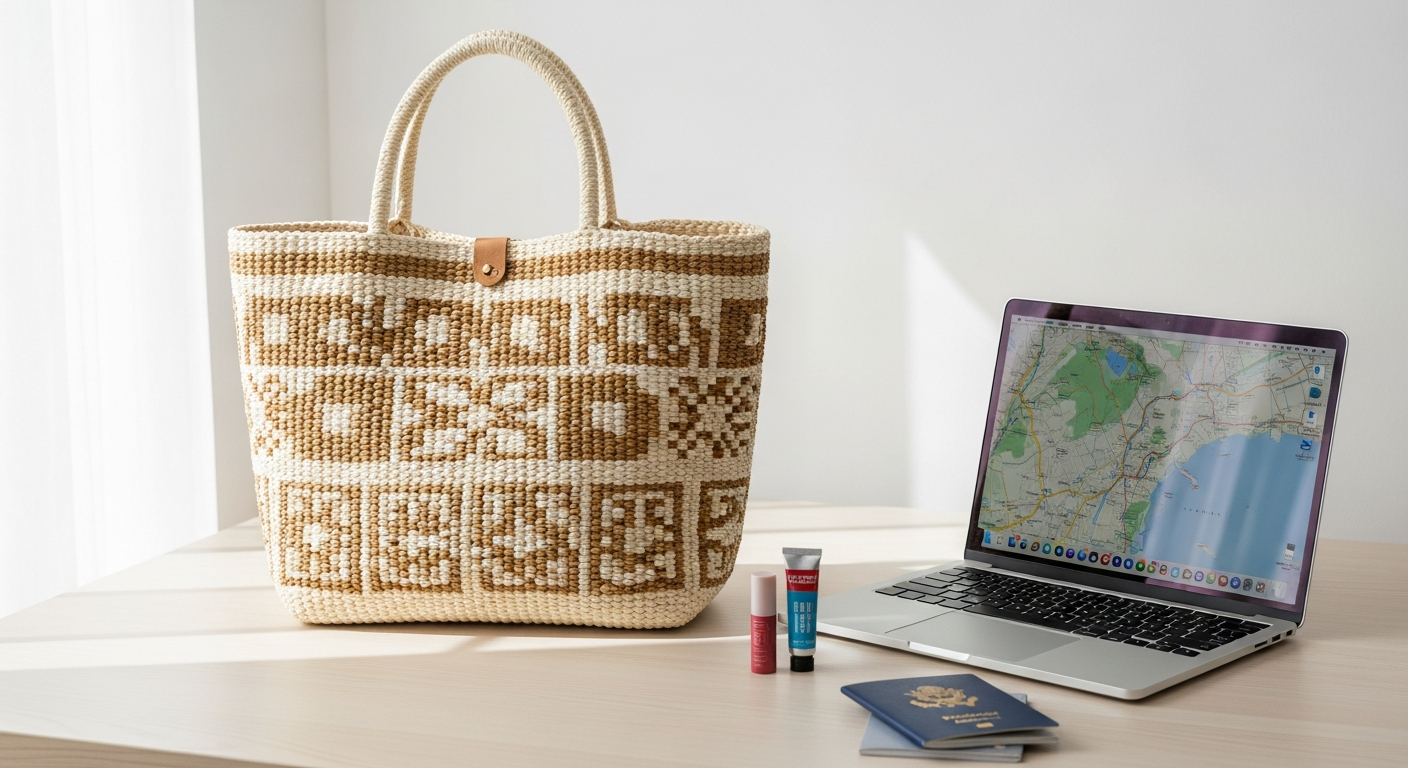
I used to think luxury totes were fragile, high-maintenance accessories that demanded constant babying. Then I encountered a bag that shattered that assumption completely—one that could handle a beach day, survive a commute through city streets, and still look polished enough for client meetings. The Naghedi St. Barths Woven Neoprene Tote Bag has quietly become the accessory that does it all, yet most people only know it as a vacation staple.
Here's what makes this different: while many brands chase trends with seasonal collections, Naghedi invested in an entirely unconventional material—neoprene—and paired it with artisanal handwoven construction. Each bag takes one to two days to create, meaning every piece carries genuine craftsmanship. The brand's commitment to sustainable, cruelty-free production adds another layer of appeal for conscious consumers who refuse to compromise on quality or ethics.
Discover the Naghedi St. Barths Tote and transform how you carry your essentials.
The Neoprene Revolution: Understanding the Material Behind the Bag
Neoprene's unexpected origin story and why it transcends its wetsuit reputation
Neoprene emerged from the laboratories of DuPont in the 1930s as a synthetic rubber designed for durability and flexibility. While wetsuits became its most famous application, the material's properties make it remarkably well-suited to fashion accessories. Its association with athletic wear actually signals strength and performance—qualities that translate beautifully to everyday bags. Unlike delicate leather or fabric alternatives, neoprene doesn't demand coddling or seasonal storage rotation.
Lightweight yet structured: how neoprene delivers both durability and comfort
The material achieves a rare balance: it's structured enough to hold its shape without a rigid interior frame, yet remains feather-light when you're carrying it all day. The handwoven construction creates additional texture and structure that canvas or synthetic blends struggle to match. Your shoulders notice this immediately—a tote that weighs around 2 pounds for a medium size or just under 2.25 pounds for a large feels almost effortless compared to structured leather alternatives that commonly exceed 3 pounds.
Water-resistant properties that protect your essentials without adding bulk
Neoprene's inherent water resistance means your contents stay protected during unexpected rain, accidental spills, or trips to the beach without requiring waterproofing treatments or thick protective coatings. This property doesn't come from a plastic overlay or chemical finish that might eventually wear away—it's built into the material itself. You can confidently carry electronics, documents, or anything moisture-sensitive without constant worry.
Breathability and flexibility that improve with wear and regular use
Unlike rigid totes that maintain the same feel year after year, neoprene actually becomes more supple and comfortable as you use it. The material molds to your carrying patterns and body, creating a personalized fit that no brand-new bag could offer. Breathability prevents that stuffy feeling some totes create, where the interior becomes a humidity trap.
Environmental considerations and why neoprene works for sustainable fashion
Neoprene's durability means fewer replacements, which is the ultimate sustainability metric. A bag you keep for five years instead of replacing annually reduces your environmental footprint dramatically. Naghedi's commitment to ethical production amplifies this benefit—the brand prioritizes responsible neoprene sourcing and minimizes waste throughout their handwoven manufacturing process.
Comparison with traditional tote materials (canvas, leather, synthetic blends)
Canvas totes require frequent washing and deteriorate with water exposure. Leather demands conditioning, develops stains easily, and carries animal welfare concerns. Synthetic blends often feel cheap despite luxury price points and break down predictably after a season or two. Neoprene sidesteps these problems entirely, offering durability without the maintenance theater.
Care and maintenance: why neoprene is surprisingly low-effort to clean
Spot cleaning with mild soap and water handles most stains—no special leather conditioners or fabric treatments required. The material doesn't absorb liquids the way canvas does, so spills wipe away quickly. This practicality appeals to anyone tired of babying their accessories, particularly professionals who don't have time for elaborate cleaning routines.
Longevity testing: how the material holds up after months and years of use
Reports from long-term owners consistently highlight the material's resilience. The neoprene doesn't crack, peel, or develop the tired appearance that leather shows after months of daily use. Color retention remains impressive across years of wear, and the structural integrity stays intact through countless commutes, trips, and everyday adventures.
Artisanal Craftsmanship: What Handwoven Construction Really Means
The labor-intensive process: why each bag takes one to two days to complete
The St. Barths Tote isn't assembled on a production line by machinery designed to churn out dozens of identical pieces daily. Instead, artisans handweave each bag individually, a process that requires skill, attention, and genuine time investment. This deliberate pace ensures quality control that mass production simply cannot match. When someone invests a full work day creating a single item, corners don't get cut.
Artisan stories and the human element behind Naghedi's production
Behind every tote stands a craftsperson whose name might never appear on marketing materials but whose hands shaped every fiber. These artisans often represent multi-generational craft knowledge, producing two or fewer bags daily while maintaining quality standards that automated systems can't achieve. The human element transforms a functional accessory into something with genuine meaning.
Handwoven versus machine-made: tangible differences in quality and texture
Machine-made totes feel uniform and sterile by comparison. Handwoven construction creates subtle texture variations that catch light differently, giving the bag visual depth that photographs can barely capture. The weave density remains consistent not because of programmed specifications but because skilled hands know exactly how tight to pull each strand. This creates a tactile experience that elevates the bag beyond mere utility.
Sustainable production practices and fair labor standards
Naghedi's commitment to fair wages and reasonable working conditions means artisans aren't rushing through pieces under exploitative circumstances. The deliberate pace allows for pride in workmanship rather than quota pressure. This ethical foundation appeals to consumers who recognize that true luxury shouldn't come at anyone's expense.
Cruelty-free certification and ethical sourcing of materials
The certification confirms that no animals were harmed in producing this bag, from the neoprene sourcing through final assembly. For conscious consumers, this eliminates the cognitive dissonance of purchasing luxury goods that conflict with personal values. You're not compromising ethics for style—you're actually aligning your purchases with what you believe.
How handwoven construction affects durability and longevity
The tightly woven neoprene creates a fabric that resists fraying, tearing, and the general deterioration that looser weaves experience. The handles are woven with particular density in high-stress areas, meaning they withstand years of daily shoulder carrying without separation or breakdown. This structural integrity directly correlates to how long the bag actually lasts.
Slight variations in each piece: why imperfection signals authenticity
No two handwoven bags are identical. Color saturation varies slightly, weave patterns show individual artisan signatures, and measurements might differ by millimeters. Rather than flaws, these variations confirm authentic handcraftsmanship. They're the opposite of factory consistency—they're evidence that human skill created your specific bag.
The relationship between production speed and product quality
The slow production timeline isn't a limitation—it's a feature. Rushing creates mistakes, cutting corners becomes tempting, and quality suffers. By maintaining a deliberate pace, artisans maintain standards that faster production models compromise. This inverted relationship between speed and quality explains why handmade pieces often outlast mass-produced alternatives by years.
Finding Your Perfect Fit: Size Guide and Dimensions Breakdown
Petit Tote: ideal use cases for minimalists and day-trip travelers
The smallest option serves people who genuinely carry minimal items daily. Minimalists who pare their belongings ruthlessly will appreciate this size. Day-trip travelers heading to nearby destinations without needing extensive luggage capacity find the Petit Tote perfectly proportioned for their needs.
Small Tote with detachable crossbody strap: versatility for transitional styling
The Small Tote adds versatility through its detachable crossbody strap, transforming it from a handheld tote to a hands-free option depending on your situation. This adaptability appeals to professionals juggling multiple responsibilities throughout their day. You can wear it crossbody for navigating public transit, then remove the strap for more formal settings.
Medium Tote (9.5" H × 17" W × 7" D): the Goldilocks option for most users
The Medium hits the sweet spot for people with normal daily carry needs. It accommodates a laptop, lunch, wallet, phone, and accessories without feeling oversized or underpowered. The 7-inch depth provides genuine capacity without encouraging you to overstuff. At approximately 2 pounds, it remains light enough for comfortable all-day carrying. The 7-inch handle drop works well for most body types.
Large Tote (12.5" H × 22" W × 8" D): capacity for professionals and weekend getaways
Professionals carrying presentation materials, multiple devices, or extensive supplies appreciate the Large's expanded capacity. Weekend travelers packing two days of clothing plus shoes and toiletries find the dimensions adequate without requiring additional luggage. The 7.5-inch handle drop provides slightly more room for layered clothing. Despite the additional capacity, it weighs only about 2.25 pounds—remarkably light for its size.
Handle drop measurements and shoulder comfort across different sizes
Handle drop directly affects how the bag sits on your shoulder and whether it feels comfortable during extended wearing. The Medium's 7-inch drop generally suits average frames, while the Large's 7.5-inch drop accommodates people with broader shoulders or thicker layering. Trying on different sizes when possible helps you understand how handle drop feels on your specific body.
Weight comparison: why the tote remains surprisingly light despite capacity
Neoprene's inherent lightness means even the Large Tote stays under 2.5 pounds fully empty. Compare this to leather totes routinely weighing 3-4 pounds and you understand the material advantage. The handwoven construction doesn't add unnecessary bulk through thick interfacing or rigid structures—it maintains the bag's form through technique rather than substance.
Packing strategies for each size to maximize functionality
The included zippered pouch holds small valuables, keeping them accessible but organized. Rolling clothes vertically instead of folding creates more usable space in the Medium and Large sizes. Using packing cubes or small pouches for categories (electronics, toiletries, accessories) prevents the chaotic rummaging that frustrates tote users. The open top actually advantages intentional organization.
How to choose between sizes based on lifestyle and daily carry needs
Assess your typical daily contents honestly. Do you carry a laptop daily? That pushes you toward Medium or Large. Do you pack weekend trips monthly? Large provides adequate capacity. Are you primarily carrying wallet, phone, and sunglasses? Even the Small meets your needs. Your actual lifestyle should determine sizing, not aspirational needs you don't genuinely have.
From Office to Oceanside: Real-World Versatility in Action
Professional settings: carrying laptops, documents, and work essentials
The St. Barths Tote functions genuinely as a professional bag, not just in a stretched fashion sense. The open top provides easy access to devices during security lines or client meetings. Sufficient depth accommodates a laptop without requiring you to worry about damage. The refined woven aesthetic reads as intentional professional style rather than casual carryall.
Travel companion: airport navigation and weekend trip packing
Its water-resistant material handles the uncertainties of airport environments, where spills and dampness are inevitable. The structured form allows it to function as a personal item on flights, fitting under seats or in overhead bins. Weekend trip capacity means you're not checking luggage for short getaways, maintaining flexibility and reducing baggage claim waits.
Beach and leisure: water-resistant properties for coastal environments
The material handles salt water exposure, sand, and sun without deteriorating. You can take it directly from beach to dinner without worrying about tide damage. Unlike canvas totes that retain sand and moisture, neoprene cleans quickly and doesn't harbor dampness that creates mildew.
Everyday commute: transitioning from car to office without changing bags
Professionals with commutes appreciate a single bag that works throughout their day. Car commuters can leave it on the passenger seat without concern about it sliding around. Office-bound professionals find it appropriate for conference rooms and client meetings. The versatility means one bag handles multiple contexts instead of juggling multiple accessories.
Casual outings: styling the tote with different wardrobes and aesthetics
The tote's neutral structure works with casual weekend wear, athletic outfits, and dressed-up occasions depending on color selection. Pair a neutral tone with jeans and sneakers for effortless casualness, or choose a sophisticated shade for pairing with dresses and heels. The woven texture adds visual interest that prevents it from looking basic regardless of styling context.
Hybrid work scenarios: moving between home office and coffee shops
Remote workers splitting time between home offices and coffee shops benefit from a bag that carries work essentials without announcing that you're working. It moves easily between spaces and sits appropriately on a cafe table without dominating the environment like a briefcase would.
Weekend adventures: durability for hiking, picnics, and outdoor activities
The water-resistant material handles outdoor elements without special treatment. Pack it for hiking without worrying about durability along trails. Take it on picnics where spills and moisture are inevitable. The structured neoprene withstands rougher handling better than canvas or leather alternatives.
Color selection strategy: how dozens of options serve different style preferences
Naghedi offers dozens of colors across collections—from classic neutrals to bold statement shades. Neutrals maximize outfit coordination and create a versatile professional option. Bold colors inject personality and become conversation pieces. Limited edition seasonal releases appeal to people who want something unique without sacrificing functionality.
The Included Zippered Pouch: Organization Within Open-Top Design
Purpose and placement: solving the open-top security concern
The matching woven zippered pouch directly addresses the primary drawback of an open-top design. Your keys, cards, phone, or valuables stay secured inside while remaining accessible. Rather than loose items settling at the bottom, the pouch keeps essentials contained and organized.
Size and capacity of the matching woven pouch
The pouch provides genuine utility without taking excessive space. It holds phone, keys, wallet, and cards comfortably. The sizing feels intentional—large enough for actual storage but compact enough to leave substantial usable space in the main compartment.
Organization strategies for keys, cards, and small valuables
Keys attach to the pouch interior, preventing that frustrating moment when you can't locate them in a large tote. Cards organize in a dedicated slot. The pouch essentially functions as a small wallet within your larger bag, creating a filing system for items you access frequently.
Material consistency: why the pouch matches the tote's aesthetic
The woven neoprene pouch coordinates perfectly with the main bag, creating a cohesive set rather than a mismatched afterthought. You can carry both together or use the pouch independently as a clutch, knowing they're designed as complementary pieces.
Detachability and independent use of the pouch
Remove the pouch and you have a small clutch suitable for minimal-carry occasions—dinners out, quick errands, nights when you want hands-free carrying via the crossbody option (on sizes offering this feature). This dual functionality adds value beyond the main tote's purpose.
Styling options: keeping the pouch inside or using it as a clutch
Keep it inside for organization or display it as an intentional accent. Some users appreciate the visual interest of a contrasting pouch color visible inside. Others prefer containing it entirely for a streamlined look. The choice gives you style flexibility based on your aesthetic preferences.
Additional storage solutions that complement the included pouch
Many users add interior pouches for additional organization if they genuinely need compartmentalization. However, the included option often proves sufficient for most people's needs. The key is recognizing that the pouch solves the open-top problem without requiring you to purchase additional accessories.
How the pouch addresses common open-top tote frustrations
Open-top designs frustrate people worried about security and organization. The included pouch eliminates both concerns simultaneously. Rather than accepting the open-top as a limitation, the pouch transforms it into a feature—one that encourages intentional packing rather than chaotic accumulation.
Handle Comfort and the Stretch Factor: What to Expect Over Time
Initial tightness: why handles feel snug when brand new
Fresh from production, the handwoven handles feel taut and structured. This tightness actually indicates quality—loose handles from the start suggest inadequate weaving density. The snug fit means the handles won't stretch excessively or droop after minimal use. Yes, it requires adjustment, but that adjustment signals durability.
The break-in period: timeline for handles to stretch and soften
Most users report noticeable softening within two to three weeks of regular use. Full comfort typically arrives within a month of consistent daily carrying. This timeline isn't excessive—it mirrors the break-in period for quality leather goods or new shoes. Patience during this phase pays dividends in long-term comfort.
Shoulder fit progression: how comfort improves with regular use
Week one might feel slightly restrictive. Week two brings noticeable softening. Week three transforms the experience into comfortable shoulder carrying without the initial strain. By month two, the handles feel custom-fitted to your shoulder. This progression mirrors how quality accessories improve with personalized use.
Neoprene elasticity: the science behind gradual stretching
Neoprene's flexibility means it stretches gradually under stress without permanently deforming. The material returns to original position when not in use but accommodates your shoulder shape during carrying. This elasticity is precisely why neoprene suits tote construction better than rigid materials that either fit or don't from day one.
Preventing premature wear on handles during the adjustment phase
Avoid overloading during the break-in period—give the handles time to stretch naturally rather than forcing the issue with excessive weight. Normal use provides sufficient stretch; you don't need to purposely stress the handles. Gentle, consistent use during the first month creates optimal long-term comfort.
Long-term comfort: handle durability after months of daily use
After the break-in period concludes, handles demonstrate impressive durability. Users report comfortable carrying even after a year of daily use without additional softening or deterioration. The handles maintain integrity while providing that ideal balance of structured support and comfortable give.
Comparison with other luxury tote handles and their comfort profiles
Many leather tote handles remain rigid throughout their lifespan, never truly softening. Synthetic handles sometimes feel permanently stiff. The neoprene handles achieve something different—an adaptable comfort that evolves with your use patterns. This responsive quality sets the St. Barths Tote apart in the luxury tote market.
Tips for accelerating the break-in process safely
Gentle daily use accelerates the process more effectively than aggressive handling. Your typical shoulder carrying naturally stretches the handles optimally. Some users report that hand-washing the bag slightly speeds softening, possibly because moisture temporarily increases elasticity. However, normal use remains the most reliable method.
Experience the St. Barths Tote's transformation as it breaks in to perfectly fit your lifestyle.
Investment Justification: Price Point and Long-Term Value
Cost breakdown: Small Tote ($285) versus Large Tote ($350)
Entry into the St. Barths Tote range starts at $285 for the Small size and tops out around $350 for the Large. Limited edition colors or special releases might fall outside this range, but these represent the standard pricing. This positions the bag in the luxury segment without the extreme price points of some designer alternatives.
Price comparison with competing luxury tote brands
High-end leather tote brands routinely command $400-$600 for comparable capacity and materials. Designer canvas totes occupy the $300-$450 range. The St. Barths Tote sits competitively within luxury pricing while offering advantages (water resistance, lightweight, durability) that justify the investment relative to alternatives.
Cost-per-wear calculation for frequent users
Daily users wearing the Medium Tote ($285) for two years do the math: that's roughly 730 days of wear, or approximately $0.39 per wear. Extend the timeline to three years and you're approaching $0.26 per wear. These calculations demonstrate genuine value for people who actually use their bags daily rather than treating them as aspirational accessories.
Durability factor: how longevity justifies the initial investment
A tote that lasts three to five years costs less annually than replacing cheaper totes annually. Most quality luxury totes reach their longevity ceiling at three to five years regardless of price. The St. Barths Tote consistently meets or exceeds this timeline while maintaining structural integrity and aesthetic appeal throughout.
Resale value and market demand for pre-owned Naghedi totes
The strong demand for pre-owned Naghedi pieces indicates that initial investment holds value. You can reasonably expect to recover 50-65% of your purchase price if you decide to resell later. This secondary market value cushions the initial investment, effectively reducing your net cost.
Sustainability angle: environmental cost savings versus fast fashion
One quality tote replacing multiple cheap alternatives eliminates the environmental cost of repeated production, shipping, and disposal. The sustainable sourcing and ethical production practices mean your environmental impact per wear decreases over the tote's lifespan. Conscious consumers recognize this as genuine value beyond price considerations.
Design timelessness: why trends won't make this bag obsolete
The understated woven aesthetic transcends seasonal trends. You're not investing in a particular color moment or style cycle—you're investing in a fundamental tote design that works year after year. This timelessness means your bag never becomes unfashionable, only more personally worn and comfortable.
Warranty and customer support considerations
Naghedi stands behind their products with customer support that handles issues professionally. Understanding the warranty coverage and return policies provides additional peace of mind for your investment. Reputable brands with responsive customer service add genuine value beyond the product itself.
The Honest Trade-Offs: When the St. Barths Tote Isn't the Answer
Open-top design: security concerns for high-value items or crowded spaces
The open top creates vulnerability in genuinely crowded environments or when carrying items of significant monetary value. Someone with pickpocketing concerns or who regularly carries expensive electronics might prefer a tote with a secure closure. The zippered pouch helps but doesn't provide complete protection against determined theft.
Lack of internal compartments: organizational challenges for minimalists
People who believe compartmentalization and internal organization represent essential tote features may find the open design frustrating. The included pouch helps, but it's not equivalent to multiple zippered pockets or divided interior sections. If you're someone who struggles with bag organization, compartments matter more than portability.
No dedicated laptop sleeve: considerations for tech-heavy professionals
While the Medium and Large sizes accommodate laptops, there's no protective sleeve. Tech professionals carrying expensive devices alongside drinks and other items might appreciate dedicated protection that other professional totes offer. If you're regularly transporting laptops, consider whether this concerns you.
Color availability and waiting lists during peak demand periods
Popular colors sell out, requiring patience for restocking. Limited edition releases vanish quickly. If you have your heart set on a specific shade, you might face delays. This scarcity appeals to some consumers but frustrates others who prefer immediate gratification.
Slight measurement variations: why consistency matters for some users
Handwoven production means measurements vary slightly between pieces. For people who need precise dimensions for specific purposes (fitting into a particular locker or shelf space), this variability creates uncertainty. Mass-produced alternatives offer absolute consistency if this matters to your situation.
Handle tightness during initial use: patience required during break-in
Not everyone has patience for a month-long break-in period. If you need maximum comfort immediately, the initial tightness creates frustration. Some users report that this bothers them; others accept it as a reasonable trade-off for long-term durability.
Size limitations: when you genuinely need more capacity
The Large Tote maxes out at certain capacity points. Extended travel requiring clothing for 5+ days or projects requiring extensive materials might exceed its realistic capacity. If you're regularly overstuffing, you might actually need luggage rather than a tote.
Niche scenarios where traditional structured totes outperform
Traveling by bicycle benefits from structured totes that don't shift with movement. Office environments requiring briefcase formality sometimes demand different aesthetics. Construction or industrial work environments might benefit from tougher material structures. Not every situation calls for the St. Barths Tote's particular combination of features.
Styling the St. Barths Tote Across Seasons and Occasions
Summer wardrobe pairing: lightweight fabrics and vacation aesthetics
Lighter colors and brighter shades create perfect summer vibes. Pair the tote with linen dresses, cotton shorts, or lightweight pants for effortless seasonal style. The water-resistant material practically begs to accompany beach trips, poolside days, and vacation adventures. Summer styling emphasizes the tote's vacation heritage while maintaining functional capability.
Fall and winter styling: how the tote complements layered outfits
Deeper tones and neutral shades work beautifully with fall layers and winter neutrals. The structured tote anchors outfits with its substantial presence, creating visual weight that balances heavy coats and sweaters. Structured handbags particularly complement the visual lines of winter fashions.
Professional dressing: elevating business casual with the right color choice
Neutral tones in black, cream, tan, or navy maintain professional aesthetics. The refined woven texture elevates casual professional settings beyond basic canvas totes while avoiding the formality of leather briefcases. Color selection determines whether the tote reads as intentional professional styling or casual accessory.
Casual weekend looks: pairing the tote with jeans and sneakers
The versatile structure works with effortless weekend uniforms. Denim-and-tee outfits gain intentional polish from the tote's refined aesthetic. Sneaker-based looks benefit from the tote's structured presence, creating visual balance without appearing overdressed.
Neutral color selection for maximum outfit versatility
Neutral shades offer maximum styling flexibility, coordinating with virtually any wardrobe. If you're someone who prefers a single versatile tote over multiple accessories, neutrals are the strategic choice. Your outfit options expand rather than limit when the bag blends seamlessly.
Bold color choices: making a statement while maintaining sophistication
Don't shy away from color if it aligns with your personal style. The refined woven texture prevents bold shades from appearing juvenile or frivolous. A jewel-toned tote becomes a statement piece that elevates outfits while remaining undeniably sophisticated.
Seasonal color releases and limited edition options
Naghedi regularly releases seasonal colors and limited editions that appeal to people seeking uniqueness. These releases create excitement and urgency—the positive kind that makes purchasing feel special. Collectors appreciate having variations throughout their wardrobe rotations.
Accessory coordination: belts, scarves, and jewelry that complement the tote
The woven texture coordinates beautifully with woven belts and textured jewelry. Scarves in coordinating or complementary shades enhance the overall aesthetic. Metal hardware on bracelets or watches should coordinate with any bag hardware—keep it cohesive. Structured accessories work better with the tote than delicate pieces that compete for visual attention.
The Sustainability Story: Why Conscious Consumers Choose Naghedi
Handwoven production reducing factory waste and energy consumption
Artisanal production eliminates the massive energy requirements of factory machinery. Handweaving generates minimal waste—the artisan uses exactly what's needed without the overproduction that industrial manufacturing requires. This reduced environmental footprint appeals to consumers whose values extend beyond personal benefit.
Cruelty-free certification and animal welfare standards
The certification guarantees that no animals suffered in production—a meaningful distinction from "vegan" claims that sometimes hide synthetic leather derived from problematic plastics. True cruelty-free commitment means you're supporting ethical material sourcing throughout the supply chain.
Material sourcing transparency and ethical supply chains
Knowing where your materials originate matters to conscious consumers. Naghedi's transparency about sourcing practices means you understand the complete production story. This openness builds trust and allows you to make purchases aligned with your ethical standards.
Artisan compensation and fair wage practices
The slow production pace enables fair compensation—artisans earn living wages for their skilled work rather than piecemeal rates that encourage rushed production. Supporting this model means your luxury purchase directly benefits skilled workers rather than padding corporate profits alone.
Longevity as sustainability: one bag replacing multiple cheaper alternatives
A tote lasting five years eliminates the environmental cost of replacing cheaper alternatives annually. Sustainability isn't only about production methods; it's about extending product lifespan. The St. Barths Tote's durability represents genuine environmental responsibility compared to disposable fashion.
Neoprene recycling initiatives and environmental responsibility
Naghedi's commitment to responsible material handling includes exploring recycling initiatives as the industry evolves. The brand acknowledges environmental responsibility as an ongoing process rather than a static position. This commitment to continuous improvement appeals to consumers who recognize that perfect sustainability doesn't exist but progress matters.
Brand transparency reports and accountability measures
Regular transparency reporting allows consumers to hold brands accountable for stated sustainability claims. Naghedi's willingness to publish information about production practices, environmental impact, and ethical standards distinguishes it from brands making vague sustainability claims without substantiation.
Supporting small-scale production over mass manufacturing
Each purchase supports artisanal production methods and skilled craftspeople. Rather than enriching massive corporations through volume sales, your investment supports sustainable livelihood for skilled artisans. This direct connection between consumer and producer creates meaningful impact.
Customer Consensus: What Owners Really Say About Long-Term Use
Capacity praise: fitting more than expected without looking bulky
Owners consistently report pleasant surprises about how much the medium and large sizes hold. The efficient design packs substantially more than its external dimensions suggest. The open top encourages intuitive packing rather than cramming, which somehow results in better organization despite the lack of compartments.
Comfort evolution: handle transformation after weeks of use
Multiple owners report that initial handle concerns evaporate quickly. The positive reviews consistently emphasize that patience during break-in yields genuine comfort. This pattern repeats across testimonials—initial skepticism transforms into genuine appreciation once the bag acclimates to individual use.
Durability reports: wear patterns and material resilience
Long-term owners describe minimal wear despite heavy daily use. The woven neoprene resists the scuffing and staining that plague other materials. Color remains vibrant through extended use. Handles maintain integrity without fraying or separation. These reports validate the quality perception embedded in the price point.
Style compliments: the bag as a conversation starter
Owners report unsolicited compliments about their totes. The distinctive woven aesthetic reads as intentional and refined rather than basic. This social validation isn't superficial—it reflects genuine appreciation for an accessory that stands out while maintaining sophistication.
Practical functionality: real-world problem-solving in daily life
Users appreciate how the bag handles real-world situations—spilled coffee doesn't permanently damage it, airport security moves quickly thanks to the open top, travel companions appreciate its organized interior despite minimal compartments. These practical validations matter more than abstract quality claims.
Cleaning ease: maintenance experiences and spot-cleaning success
Owners report satisfaction with maintenance simplicity. Mild soap and water handle most situations. Sand brushes off easily. The material never looks grimy despite extended use in various environments. This practical maintenance appeal resonates with professionals lacking elaborate cleaning routines.
Regret factors: honest feedback from users who expected something different
Some owners report disappointment with the open-top design upon daily use. Others find the included pouch insufficient for their organization needs. A few experience frustration if they anticipated immediate handle comfort. These honest critiques remind potential buyers that the bag isn't universally perfect—it's perfect for specific needs.
Recommendation patterns: why owners become brand advocates
Satisfied owners genuinely recommend the tote to friends and colleagues. This organic advocacy suggests that user experience exceeds expectations for most purchasers. The pattern of initial investment yielding long-term satisfaction creates natural enthusiasm that marketing efforts can't manufacture.
The St. Barths Tote in Your Lifestyle: Making the Final Decision
Assessing your daily carry needs and bag usage patterns
Examine what you actually carry daily. Does it consistently exceed Medium capacity? Are small valuables essential? Do you transition between multiple environments requiring different bag styles? Your genuine lifestyle patterns should drive sizing and feature selection, not aspirational use cases.
Determining which size aligns with your lifestyle
Review the dimensions and honestly assess fit. If you're perpetually overstuffing a Medium, the Large makes sense. If you're rarely using available space, the Small might feel more appropriate. Size selection based on actual needs prevents the regret that comes from choosing aspirationally.
Evaluating the open-top design against your security priorities
Consider your comfort level with open-top organization. If crowded public transit and urban density create anxiety, acknowledge that rather than hoping the zippered pouch addresses it sufficiently. Honest assessment of your security priorities prevents post-purchase frustration.
Color selection based on existing wardrobe and personal style
Review your actual wardrobe and color palette. Does a neutral tone coordinate with your existing pieces? Are you someone who enjoys color and wants a statement piece? Your closet will determine which shade brings greatest versatility. Don't choose colors that require outfit coordination to make work.
Budget considerations and payment plan options
Determine whether the investment fits your current budget or whether payment plans help manage the cost. Financial comfort with the purchase contributes to satisfaction. Stretching your budget to the breaking point creates resentment that undermines the bag's actual value.
Comparing with alternative luxury totes in the same price range
Research what competitors offer at comparable price points. How does their durability track record compare? What about sustainability credentials? Are you paying for equivalent quality or choosing the St. Barths for specific features that matter to you? Comparative analysis confirms whether this particular investment makes sense for your situation.
Timeline for purchase: seasonal sales and inventory considerations
Understanding Naghedi's release schedule and inventory patterns helps optimize timing. Waiting for seasonal releases might offer preferred colors. Purchasing during inventory transitions might provide discounts. However, don't
Leave a Reply