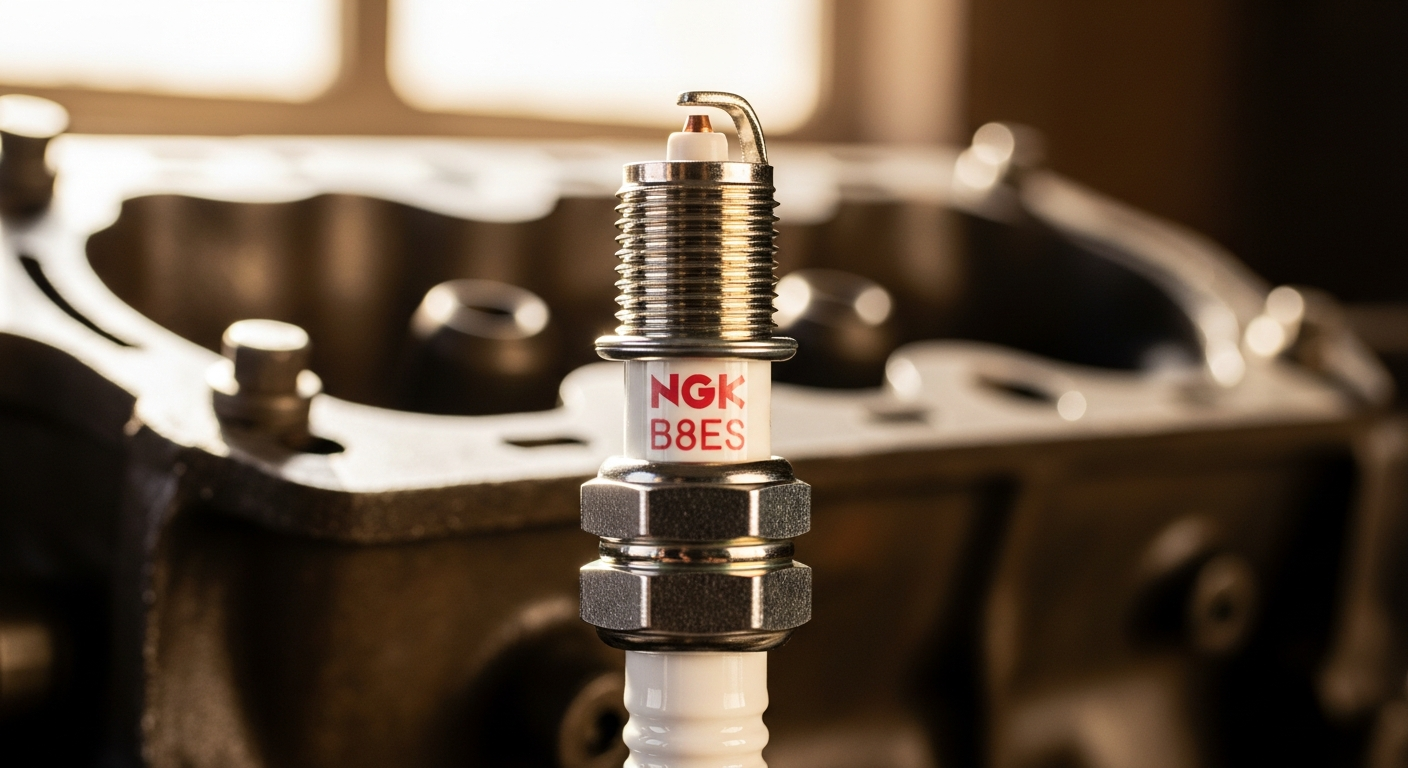
Finding authentic, period-correct ignition components that actually work separates successful classic restorations from frustrating dead ends. Walk through any vintage car club meeting or restoration workshop, and you’ll hear the same refrain: modern spark plugs often introduce interference, cause misfires, or simply don’t fit properly in older engines. The NGK B8ES copper core spark plug has earned legendary status among classic vehicle restorers precisely because it solves this problem with engineering designed specifically for vintage ignition systems.
The distinction matters enormously. Classic and veteran engines operate on principles fundamentally different from modern vehicles. Their distributors, coil systems, and combustion chambers were engineered for components that work with these vintage designs, not against them. The NGK B8ES was built with this reality in mind—a non-resistor design that eliminates the interference issues plaguing older engines when fitted with contemporary alternatives.
This guide covers everything you need to know about the NGK B8ES: its copper core construction, heat range specifications, real-world performance benefits, and the critical mistakes that catch unwary buyers. You’ll understand why this plug remains the go-to choice for classic engine enthusiasts and how to ensure you’re getting the authentic, period-correct part for your restoration.
Explore authentic NGK B8ES spark plugs from The Green Spark Plug Company today.
What Makes the NGK B8ES Copper Core Design Superior for Vintage Engines
The copper core at the heart of the NGK B8ES delivers measurable advantages that standard electrode designs simply cannot match. Copper’s exceptional thermal conductivity means heat transfers away from the electrode tip efficiently, preventing the carbon buildup and fouling that plague classic engines fitted with inferior components. This thermal management proves critical in vintage combustion chambers, where cooling passages and cylinder designs differ substantially from modern engines.
The superior spark consistency provided by copper core construction translates directly to more reliable engine starting and smoother idling—qualities especially noticeable in cold weather when older vehicles prove temperamental anyway. The electrode material resists erosion far more effectively than basic designs, extending the plug’s operational lifespan significantly. Classic car owners discover that copper core plugs require less frequent replacement, saving both time and money over multiple seasons of driving.
The non-resistor configuration sets the NGK B8ES apart most critically. Vintage distributors and coil systems were never engineered to work with the resistance suppression technology found in modern plugs. Installing a resistor plug in a classic engine introduces electrical interference that disrupts the clean spark delivery these older ignition systems expect, resulting in weak ignition and unreliable starting. The nickel alloy electrode on the B8ES maintains steady ignition performance regardless of engine load variations, a trait especially valuable during acceleration when vintage engines demand maximum spark consistency.
NGK B8ES Specifications and Heat Range Explained
The physical specifications of the NGK B8ES reveal precision engineering tailored for classic engines. The 14mm thread size achieves compatibility with the vast majority of vintage British, European, and American engines—the vehicles most commonly restored by enthusiasts seeking period-correct components. This standardization means straightforward installation without adapter concerns or fitment surprises.
The 13/16″ (21mm) hex size accommodates period-correct spark plug sockets, a detail that matters more than casual observers realize. Using modern sockets with oversized hex sizes risks stripping the delicate ceramic insulator on vintage plugs, potentially causing catastrophic engine damage. The NGK B8ES’s traditional hex size ensures reliable installation with tools designed for classic vehicles.
Reach measurement—the distance from the seat to the electrode tip—directly affects combustion performance. The NGK B8ES’s 3/4″ (19mm) reach positions the electrode precisely within vintage combustion chambers, ensuring proper ignition timing and spark positioning. Installing a plug with incorrect reach causes either electrode recession (creating wide gaps that prevent reliable ignition) or intrusion into the combustion chamber (causing dangerous detonation and potential piston contact).
The heat range 8 classification identifies the NGK B8ES as a colder plug, a characteristic that benefits engines running at high RPMs or prone to running hot—common situations in classic vehicles with aging cooling systems or performance modifications. The typical 0.8mm (0.031″) gap specification ensures compatibility with vintage coil systems designed for this specific gap width.
The Critical Difference Between B8ES and BR8ES Spark Plugs
This distinction separates successful restorations from frustrating mechanical problems. The B8ES carries a non-resistor design, engineered specifically for classic ignition systems that operate without electronic interference suppression. Vintage coils and distributors function optimally with non-resistor plugs, delivering clean spark delivery without the electrical resistance modern engines require.
The BR8ES represents the resistor version, specifically designed for modern vehicles with computer-controlled ignition systems. Modern engines demand this resistance to prevent electromagnetic interference with engine control modules and other electronic systems. Installing an BR8ES in a classic engine introduces resistance into an electrical circuit never engineered to accommodate it, fundamentally disrupting spark delivery.
The consequences prove frustrating and expensive. Classic engines fitted with BR8ES plugs suffer misfires, poor cold starts, and erratic idle behavior—symptoms that commonly send owners on wild diagnostic journeys chasing non-existent carburetor or timing problems. The real culprit sits silently in the spark plug hole, a simple part causing systemic engine confusion.
This mistake occurs regularly when purchasing from general automotive retailers unfamiliar with the nuances distinguishing classic vehicle components. The visual similarity between B8ES and BR8ES creates dangerous confusion for the uninitiated buyer. Retailers without specialized knowledge about vintage vehicles sometimes ship BR8ES plugs when classic car owners specifically order B8ES, a frustrating error that derails restoration schedules and introduces doubt about component authenticity.
Source your NGK B8ES non-resistor plugs from specialists who understand the critical differences.
Performance Benefits and Real-World Reliability in Veteran Engines
The NGK B8ES carries a proven track record spanning decades of actual use in classic vehicle applications—not theoretical engineering scenarios, but real performance in veteran engines across countless restoration projects worldwide. This long history of proven success represents something modern components simply cannot offer: generations of enthusiasts confirming reliable performance through their own experiences.
Consistent spark delivery supports the smooth idling and responsive acceleration that characterize well-tuned classic engines. Vintage carburetor systems and ignition timing require stable electrical performance to function properly; modern plug designs often introduce inconsistency that makes achieving proper tune impossible. The NGK B8ES delivers the stable electrical foundation these older engines need.
The copper core construction maintains optimal operating temperature across varying driving conditions—city traffic, highway cruising, or high-RPM performance driving. This thermal stability proves invaluable in classic vehicles often driven intermittently or exposed to temperature extremes, preventing the fouling and cold-start issues associated with plugs running too cool or burning too hot for the application.
Classic cars frequently demonstrate reluctance during winter mornings or after extended storage periods. The NGK B8ES delivers reliable cold-weather starting performance that honors the engineering of veteran vehicles without requiring modern fuel injection and engine management compensation. Restorers repeatedly confirm that selecting proper spark plugs represents one of the most effective modifications for improving drivability in classic engines.
The Spark Plug That Keeps Classic Engines Running Strong
The NGK B8ES copper core spark plug represents far more than just an ignition component—it’s a bridge between vintage engineering and reliable performance. Its non-resistor design, superior heat dissipation, and proven track record make it the preferred choice for classic engine enthusiasts worldwide. Your classic vehicle deserves authentic, period-correct components that honor its original engineering while delivering dependable performance.
The NGK B8ES achieves exactly that balance, backed by decades of automotive heritage and modern sourcing expertise. Whether you’re restoring a beloved veteran engine or maintaining a cherished classic, selecting the right spark plug sets the foundation for smooth running and reliable starting. The difference between struggling with constant misfires and enjoying predictable, responsive ignition often comes down to this single component.
Leave a Reply