The average person buys 60% more clothing items than they did 15 years ago—yet keeps each piece for half as long. We're trapped in a cycle of fast fashion that empties our wallets and fills landfills. What if one simple decision could break that pattern entirely?
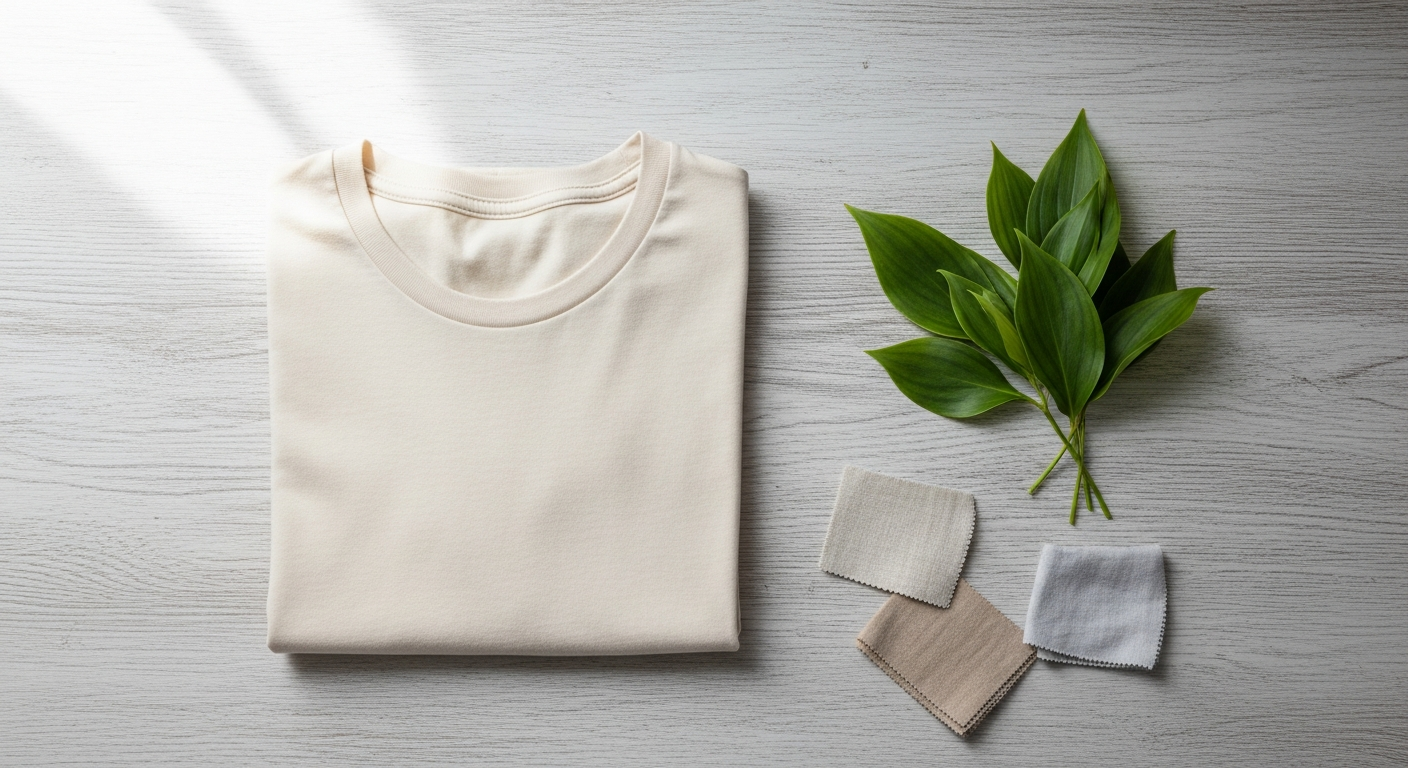
Building a truly sustainable wardrobe doesn't require overhauling your entire closet overnight. It starts with investing in foundational pieces that work harder, last longer, and align with your values. The Uni-Polar Organic Cotton T-Shirt represents exactly this kind of intentional choice—a garment designed for longevity rather than trends, crafted with certified organic materials and ethical manufacturing practices that actually matter.
Discover how the Uni-Polar Organic Cotton T-Shirt transforms your approach to sustainable fashion.
In this guide, you'll uncover the real differences between sustainable production and greenwashing, explore the tangible benefits of organic farming practices, and discover whether this investment makes sense for your lifestyle and budget.
The Case for Capsule Wardrobes: Why One Quality T-Shirt Replaces Ten Cheap Ones
The math behind capsule wardrobe philosophy and cost-per-wear calculations
The capsule wardrobe concept rests on a simple principle: fewer, better pieces. Consider the math. A fast fashion tee costs €8 but lasts through perhaps 15 wears before fading or fraying. That's roughly €0.53 per wear. An organic cotton t-shirt from Uni-Polar runs €30-€60 but withstands 100+ wears through proper care. At 100 wears, your cost per wear drops to €0.30-€0.60—competitive with fast fashion, yet you're wearing something that actually improves with age.
Multiply this across your wardrobe. Ten cheap tees cost €80 and deliver 150 total wears. One quality tee costs €45 and delivers 100+ wears. The quality piece wins on longevity, environmental impact, and emotional satisfaction.
How versatile, timeless design reduces the need for trend-chasing purchases
Trends fade. A classic, neutral organic cotton tee doesn't. The Uni-Polar design philosophy prioritizes versatility—a cut that works with everything from jeans to tailored trousers, through seasons and years. This timelessness eliminates the pressure to chase fleeting styles, which is precisely how fast fashion captures your wallet.
When a piece remains relevant in your wardrobe year after year, you stop seeking replacements. You invest once and reap the benefits repeatedly. This shift is psychological as much as practical. You're no longer shopping out of boredom or trend anxiety; you're curating intentionally.
Mixing and matching potential with a neutral, classic-cut organic cotton tee
A well-designed neutral tee becomes your wardrobe's foundation. Pair it with blazers for professional settings. Throw it under slip dresses for texture play. Layer it beneath sheer fabrics for depth. Wear it solo on casual days. The same piece adapts across contexts because it doesn't demand attention—it complements.
This versatility means fewer total pieces needed to create variety in your daily looks. Your closet becomes more efficient, more intentional, and ironically, offers more outfit combinations with less volume.
Real-world examples of how one quality piece integrates across multiple outfits
Picture Monday: your organic tee under a linen blazer with tailored trousers for client meetings. Tuesday: the same tee with your favorite worn jeans and a canvas jacket for weekend errands. Wednesday: tucked into a midi skirt with a cardigan for a casual dinner. Thursday: layered under a slip dress with boots for something more considered. Friday: back to jeans and a leather jacket for end-of-week ease.
One piece. Five distinct looks. Zero trend-chasing. This is the power of a quality foundation.
The psychological shift from quantity-based to quality-based shopping habits
Owning fewer, better things changes how you consume. When each purchase represents a meaningful investment, you choose more deliberately. You research brands. You consider longevity. You ask whether you'll genuinely wear something 50+ times, not whether it's trendy this season.
This mentality extends beyond individual pieces. You start questioning your entire relationship with clothing. You recognize that satisfaction comes from depth of wardrobe—knowing each item intimately and styling it creatively—rather than breadth of options.
Understanding Certified Organic Cotton vs. Conventional Production
What certified organic actually means in textile manufacturing
Certified organic cotton carries verification from independent bodies confirming that the crop meets strict standards. No synthetic pesticides. No genetically modified seeds. No prohibited fertilizers. This certification isn't marketing—it's audited accountability.
For textile production, certification extends beyond the farm. Manufacturing facilities must meet standards for chemical use, wastewater treatment, and worker safety. Uni-Polar's commitment to certified organic cotton means traceability from soil to finished garment.
Pesticide and chemical reduction: environmental impact comparisons
Conventional cotton represents roughly 2.5% of global farmland but consumes approximately 16% of the world's insecticides. These chemicals persist in ecosystems, contaminating water supplies and harming wildlife. Organic cotton production eliminates synthetic pesticides entirely, reducing this poisoning dramatically.
The difference compounds. One organic cotton tee prevents roughly 15 grams of synthetic pesticides from entering the environment. Multiply that across millions of purchases, and you're talking meaningful ecological protection.
Soil health and biodiversity benefits of organic farming practices
Organic cotton farms employ crop rotation, composting, and natural pest management. These practices rebuild soil structure and increase microbial life. Healthy soil stores more carbon, requires less irrigation, and produces more resilient crops. Biodiversity flourishes when farms abandon monoculture chemical approaches.
Conventional cotton farms, by contrast, experience soil degradation over time, requiring increasing chemical inputs to maintain yields. The long-term trajectory differs fundamentally.
Water consumption differences between organic and conventional cotton production
Cotton is thirsty. Conventional production often relies on heavy irrigation in water-scarce regions, straining local water tables. Organic practices emphasize soil moisture retention through better structure and composting. The result? Organic cotton typically requires 88% less water per kilogram produced compared to conventional methods.
In regions already experiencing water stress, this difference matters profoundly. It affects both the sustainability profile of the garment and the welfare of farming communities.
Fair labor standards embedded in ethical supply chains
Certification for organic cotton often includes fair labor standards. Workers receive living wages, reasonable hours, and safe conditions. Transparency in supply chains means you can theoretically trace your shirt back to the farm and factory where it was produced.
Conventional fast fashion obfuscates these connections deliberately. You'll never know the conditions under which a €5 tee was made. With Uni-Polar, that opacity disappears. The higher price reflects these ethical commitments—wages that sustain workers, conditions that respect their dignity.
Explore Uni-Polar's transparent approach to ethical organic cotton production.
Comfort Meets Conscience: The Fabric Performance Advantage
Breathability and moisture-wicking properties of premium organic cotton
Organic cotton naturally breathes better than synthetic blends because its fiber structure remains less processed. The result is genuine temperature regulation—cool in summer, insulating in winter. You're not sweating through synthetic polymers; you're wearing a fabric that communicates with your body's temperature needs.
Premium quality organic cotton also wicks moisture more effectively, meaning dampness disperses rather than clings. For everyday wear, this means all-day comfort without that synthetic clammy feeling.
Skin sensitivity considerations: why pesticide-free matters for sensitive skin
Pesticide residues from conventional cotton can trigger reactions in sensitive skin. The synthetic finishes applied during manufacturing compound this irritation. Organic cotton eliminates this chemical layer entirely—no pesticide residues, no harsh finishing chemicals, just clean fiber against your skin.
For anyone with dermatological sensitivity, eczema, or reactive skin, the difference isn't marginal. It's often the difference between wearing a shirt comfortably and spending the day fighting irritation.
Softness retention through multiple wash cycles and proper care
Quality matters here. Premium organic cotton maintains softness through repeated washing because higher-quality fibers resist pilling and degradation. The Uni-Polar construction prioritizes longevity—the fabric feels better initially and continues improving slightly as fibers settle and relax through early wears and washes.
Fast fashion tees often feel stiff after three washes. A quality organic cotton piece feels more comfortable after thirty.
Temperature regulation capabilities across seasons
Cotton's hygroscopic nature means it absorbs and releases moisture based on environmental humidity. This creates natural temperature regulation impossible with synthetics. Wear your organic cotton tee in summer and it keeps you cool. Wear it as a base layer in winter and it insulates while remaining breathable.
This adaptability means your wardrobe becomes more efficient—one piece performs across conditions rather than requiring seasonal swaps.
Hypoallergenic benefits compared to synthetic blends
Synthetic blends often contain polyester and elastane, both petroleum derivatives. Organic cotton is a natural fiber, inherently hypoallergenic for most people. It doesn't trap bacteria as readily, doesn't accumulate static, and doesn't off-gas chemicals.
For anyone prone to allergies or sensitivity, organic cotton represents a genuinely safer choice.
The Wardrobe Revolution Starts Here
Making the shift toward sustainable fashion feels overwhelming until you realize it doesn't require perfection—it requires intention. The Uni-Polar Organic Cotton T-Shirt isn't a magic solution, but it's a tangible starting point. When you choose one quality piece over five disposable alternatives, you're not just making a personal style choice; you're voting with your dollars for the kind of fashion industry you want to see.
The investment is real. The price point is higher than fast fashion. The design range is more curated than mass-market options. But here's what matters: you'll actually wear this shirt. You'll reach for it repeatedly. It'll integrate seamlessly into your existing wardrobe. And each time you do, you'll know exactly where it came from and who benefited from your purchase.
The shift away from disposable fashion toward intentional consumption starts with single decisions. One quality tee won't transform the fashion industry overnight, but millions of conscious consumers making this same choice absolutely will. Your wardrobe becomes a reflection of your values rather than a victim of marketing cycles.
Leave a Reply