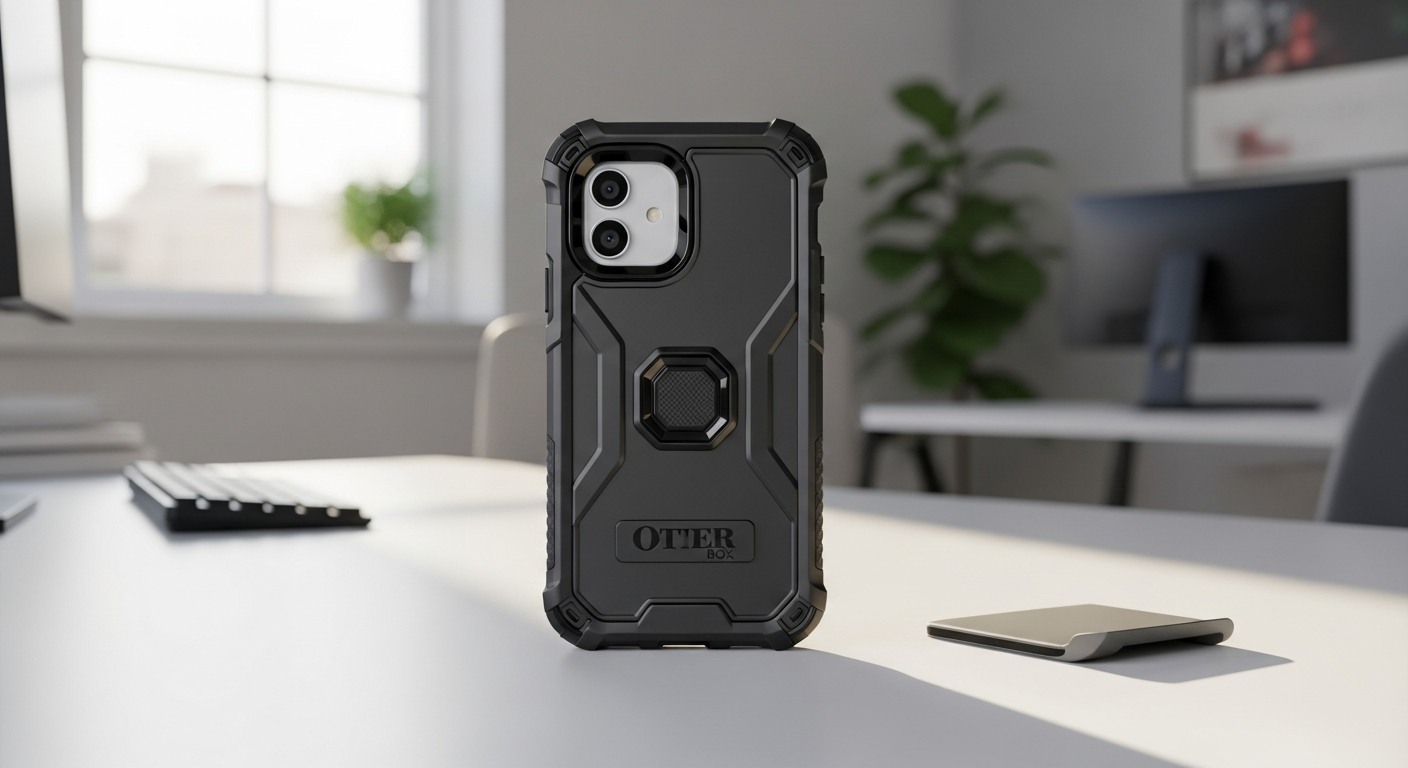
Your phone hits concrete from waist height—and you hold your breath. For millions of Australians, this isn't hypothetical. Tradies, outdoor enthusiasts, and accident-prone users face this reality daily, making phone case choice genuinely consequential. The Otterbox Defender Series has become the trusted shield for those refusing to compromise on protection, consistently ranking as one of Australia's best-selling rugged cases.
This case represents the pinnacle of multi-layered phone protection technology with a reputation built on delivering extreme durability across demanding environments. Whether working on construction sites, hiking through remote terrain, or simply prone to dropping your phone, understanding what makes the Defender Series different matters when investing A$100-A$120 in protection.
Discover the ultimate protection your device needs with the Otterbox Defender Series today.
How the Otterbox Defender Series Protects Your Device
The engineering behind the Defender Series isn't marketing hype—it's a methodical approach to multi-layer protection. The case combines three key components working in concert: a solid polycarbonate inner shell that provides rigid structural support, a soft synthetic rubber outer slipcover that absorbs impact energy, and a polycarbonate holster that serves double duty as both a belt clip and hands-free kickstand.
This layered design addresses different types of damage. The rigid inner shell prevents your phone from bending or cracking at its most vulnerable points. The rubber outer layer absorbs shock from drops and impacts, dissipating force before it reaches your device. The holster adds an extra protective layer while keeping your phone accessible and securely carried.
7X Military Standard Drop Protection Explained
When Otterbox claims 7X military standard protection (MIL-STD-810G 516.6), this translates to practical durability metrics. The military standard measures device protection through rigorous drop testing at specific heights and angles. A rating of 7X means the Defender Series has been tested to survive impacts that exceed military specifications by a factor of seven.
In practical terms, your phone can withstand drops from significant heights that would destroy unprotected devices or those in basic cases. For construction workers, tradies, and anyone working near edges or at height, this rating provides concrete assurance rather than vague marketing claims.
Port Covers and Dust Prevention
Often overlooked but critically important, the Defender Series includes port covers protecting charging jacks, headphone ports, and speaker openings from dirt, dust, and lint accumulation. These protective flaps prevent debris from clogging ports—a common problem for users working in dusty environments like construction sites or outdoor settings.
Port blockage degrades charging efficiency, damages internal components, and shortens your device's functional lifespan. By sealing ports when not in use, the Defender Series addresses a genuine durability concern that cheaper cases ignore entirely.
Defender Series vs. Other Otterbox Options—Which Case Wins?
Otterbox offers multiple product lines designed for different priorities. The Commuter Series, their slimmer alternative, sacrifices bulk for portability while offering significantly lower drop protection ratings. The Commuter provides adequate everyday protection against accidental drops from pocket height, but it lacks the engineering depth needed for high-impact environments.
The Defender Series occupies the opposite end of the spectrum—maximum protection at the cost of increased thickness and weight. For users whose phones regularly face serious hazards, this trade-off makes sense. For those prioritizing pocket-friendliness and slim profiles, the Commuter Series or basic protective cases become more attractive despite reduced durability.
Price differences reflect these protection levels. The Defender Series costs A$100-A$120, while the Commuter Series typically ranges A$60-A$80. That additional investment directly funds the multi-layer construction, military-grade drop testing, and engineering refinements that define the Defender approach.
Built for Demanding Environments—Real-World Use Cases
Construction and trade work represent the primary market where the Defender Series thrives. Tradies routinely drop phones from scaffolding, site vehicles, and work platforms. Phones get covered in dust, exposed to temperature extremes, and subjected to vibrations and impacts that would damage lesser cases. The Defender Series was engineered precisely for these scenarios.
Outdoor and adventure activities—hiking, camping, water sports exposure—create different but equally demanding conditions. Phones get dropped on rocky terrain, exposed to sand and salt water, and subjected to temperature swings from mountain cold to desert heat. The Defender's protective engineering handles these environmental challenges effectively.
High-impact professions beyond construction also benefit significantly. Electricians, plumbers, outdoor guides, and anyone working in unpredictable physical environments face constant phone damage risk. The Defender Series reputation within these communities stems from genuine performance over years of actual use.
The Honest Trade-Offs—Bulk, Weight, and Practicality
The Defender Series' primary drawback is its bulk. The multi-layer construction creates noticeable thickness that affects how phones fit in pockets, how comfortably they sit in hands during extended use, and how easily they slide into bags or work belts. Users accustomed to slim phones often find the cased weight and dimensions surprising, even uncomfortable during long work shifts.
The included holster adds functionality through its belt clip and integrated kickstand for hands-free viewing. However, this holster also adds weight and size when carrying the phone separately. Some users appreciate this functionality; others find it unnecessary bulk.
Australian reviews reveal mixed experiences regarding rubber component longevity. Some users report their cases maintaining shape and integrity for years of heavy use. Others experience rubber degradation, loss of grip texture, or cracking of synthetic rubber components after extended exposure to UV sunlight and temperature extremes. This variance suggests manufacturing consistency issues or individual usage patterns affecting durability differently across users.
Get your Otterbox Defender Series and experience uncompromising protection for your smartphone.
Defender Series Pricing in Australia—Value for Money
Current pricing across Australian retailers typically ranges from A$100 to A$120, with occasional sales bringing costs down. This price point positions the Defender Series as a premium protective case investment—substantial when compared to basic cases at A$20-A$40, but reasonable when evaluated against device replacement costs.
A cost-per-year analysis demonstrates value proposition over time. An A$110 case protecting a A$1,200 phone across three years of regular use calculates to approximately A$37 annually. Device replacement or repair costs from drop damage typically run A$300-A$800 depending on the damage severity. From this perspective, the Defender Series' investment becomes financially logical for users facing genuine drop risk.
Insurance implications matter as well. Some phone insurance policies carry substantial excess fees (A$100-A$200) for accidental damage claims. A protective case costing A$110 that prevents even one insurance claim recoups its entire investment while preserving no-claim discounts on future premiums.
Making Your Decision—Is the Defender Series Right for You?
Assessment begins with honest lifestyle evaluation. Do you work in environments where phones regularly fall from height? How frequently do you actually drop your phone—daily, weekly, or rarely? Do you prioritize portability over protection, or vice versa? These questions determine whether the Defender Series fits your genuine needs versus aspirational "maximum protection" thinking.
Balancing protection needs against portability requirements requires acknowledging that maximum protection and minimal bulk represent competing priorities. Users genuinely benefiting from the Defender Series typically value protection overwhelmingly. Those finding the bulk frustrating usually work in lower-risk environments where slimmer cases suffice.
Warranty coverage typically extends one year from purchase across Australian retailers. Understanding warranty limitations—what damage it covers and what it excludes—matters before purchasing. Check with your preferred retailer regarding warranty terms, return policies, and customer service accessibility.
The Verdict—Why Australians Keep Coming Back to Defender
Your Phone Deserves a Case That Doesn't Compromise
The Otterbox Defender Series earns its reputation through genuine engineering excellence and proven performance in Australia's toughest conditions. Its 7X military-grade drop protection, multi-layer construction, and thoughtful features like port covers and textured grip deliver on the promise of extreme durability. Yes, the bulk can feel cumbersome, and the A$100-A$120 investment isn't trivial—but for tradies, outdoor enthusiasts, and anyone whose phone represents a significant financial commitment, this case provides tangible peace of mind.
The real question isn't whether the Defender Series protects your device; it absolutely does. The question is whether that level of protection aligns with your lifestyle and whether you're willing to trade slim portability for maximum durability. If you're regularly working in demanding environments, prone to dropping your phone, or simply refuse to risk expensive device damage, the Defender Series remains Australia's most reliable choice.
Start by checking compatibility with your specific device model, compare current pricing across retailers for potential savings, and consider whether the included holster's functionality adds genuine value to your daily routine.
Invest in the Otterbox Defender Series and protect what matters most.
Leave a Reply