Your smartphone costs more than a month's groceries, yet most of us treat it like it's practically indestructible. One unfortunate slip from your hand means a shattered screen and a hefty repair bill. The inconvenience and expense pile up fast, turning a simple accident into weeks of frustration and financial regret.
The OtterBox Defender Series has earned its reputation as Australia's best-selling rugged phone case through genuine durability that withstands everything from accidental drops to extreme conditions. What started as a trusted brand has evolved into a benchmark for protective technology, with countless Australian users relying on it as their device's first line of defense.
This guide breaks down whether the Defender Series deserves a permanent home in your pocket, examining its multi-layered construction, comparing it against the premium Defender Pro variant, weighing the bulkiness trade-off, and helping you determine if the A$99.95 investment aligns with your protection needs. Explore OtterBox Defender Series options on the official Australian store
The Engineering Behind 7X Military-Standard Drop Defense
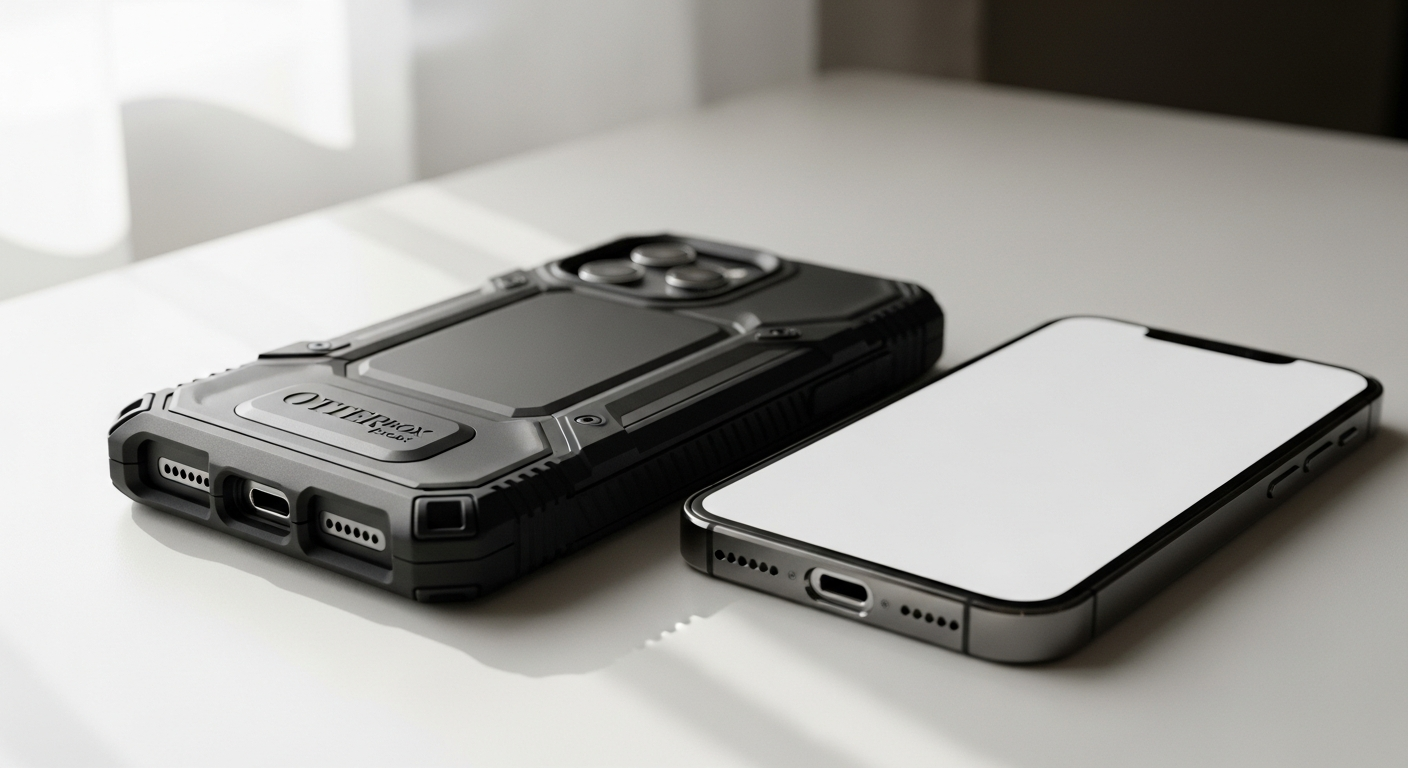
The Defender Series' protective capability stems from meticulous engineering rather than marketing hype. Its multi-layered construction combines a rigid inner shell, a soft silicone outer cover, and memory foam backing—each component serving a specific purpose in the impact absorption chain. This thoughtful design philosophy transforms what could be a catastrophic drop into a manageable shock event.
Multi-layered construction: rigid inner shell + soft silicone outer cover + memory foam backing
The rigid inner shell forms the structural backbone, cradling your device and resisting deformation during impacts. The soft silicone outer cover acts as the first responder to shock, dispersing force across a wider surface area before it reaches your phone. The memory foam backing then absorbs residual energy, preventing it from transferring to the screen or internal components. Together, these layers work in concert to neutralize the most dangerous aspect of any drop: concentrated point-of-impact force.
How shock absorption technology prevents screen and frame damage
Screen and frame damage occur because drops concentrate impact force into small areas. A phone hitting concrete at chest height experiences forces measured in thousands of Gs. Without proper shock absorption, this energy travels directly through the phone's structure, cracking screens and bending frames. The Defender Series' foam and elastomer combination stretches the duration of impact across milliseconds, reducing peak force dramatically. This extended distribution period means your screen receives a gentler jolt rather than a violent shock.
Reinforced corner design and its role in impact protection
Corners represent the most vulnerable points on any smartphone—they're where impacts most commonly occur and where structural integrity proves weakest. The Defender Series reinforces these zones with extra material and strategic geometry, creating zones engineered to absorb impact energy. When a phone lands on a corner, this reinforcement channels force away from the device's interior and toward the case's external structure, which is designed specifically to withstand such punishment.
What 7X military standard actually means in real-world drop scenarios
"7X military standard" refers to MIL-STD-810G testing protocols, specifically drop testing from various heights onto different surfaces. The "7X" indicates the Defender Series exceeds standard military specifications sevenfold—meaning it survives drops from heights seven times greater than the baseline requirement. In practical terms, this translates to protection from drops of several meters onto concrete, asphalt, and rock surfaces. Military standard testing isn't marketing theatre; it's rigorous, standardized evaluation that provides genuine context for the protection level you're purchasing.
Practical Features That Go Beyond Basic Protection
Protection extends beyond absorbing drops. The Defender Series incorporates practical features that prevent damage before it happens and enhance daily usability.
All-over textured grip surface and its effectiveness in preventing accidental drops
The textured surface coating the case creates friction against your hand and pocket materials, reducing the likelihood of accidental slipping. This seemingly minor detail prevents drops before they occur—and the drop that never happens is infinitely better than the drop your case absorbs. Users who've switched to the Defender Series frequently report noticeably fewer near-misses and accidental fumbles, particularly in wet conditions or when wearing gloves.
Built-in phone strap anchors for hands-free carrying and security
Port covers protect your charging ports and audio jacks from dust, dirt, and debris accumulation, which degrades connectivity over time. These small covers prevent sand from a beach day or dust from your gym bag from infiltrating critical connection points, extending your phone's lifespan beyond just protecting it from impacts.
Dust and debris port covers protecting charging ports and audio jacks
Many newer Defender Series models integrate MagSafe magnets, enabling compatibility with the expanding ecosystem of MagSafe accessories and allowing wireless charging without removing the case. This integration means you're not sacrificing convenience for protection—a significant upgrade from older rugged cases that forced you to choose between safety and functionality.
MagSafe magnet integration in newer models and compatibility advantages
The MagSafe integration opens possibilities that traditional cases restrict. You can mount your phone on car dashboards, attach it to tripods for content creation, or use MagSafe wallet attachments without compromising the protective structure. This forward-thinking design acknowledges that modern phones serve multiple roles, and your case shouldn't limit those possibilities.
Defender Series vs. Defender Pro—Which Tier Makes Sense?
OtterBox offers two primary tiers in this product line, and understanding the differences guides you toward the right choice for your situation.
Core differences between standard Defender and premium Defender Pro
The standard Defender Series provides the comprehensive multi-layered protection, reinforced corners, port covers, and MagSafe integration. The Defender Pro builds on this foundation by adding a built-in screen protector—an integrated protective layer covering your display without requiring a separate application or purchase.
Built-in screen protector benefits in the Pro version
Screens represent the most frequently damaged phone component. A built-in screen protector means your display receives dedicated defense from the moment you unbox the case. Unlike adhesive screen protectors that occasionally peel or cloud over time, the integrated version remains stable and transparent throughout the case's lifespan. For users who've experienced screen damage in the past, this feature alone justifies the premium.
360-degree protection coverage and what it prevents
The Defender Pro's screen protector completes the protection loop, shielding your device from all angles—top, bottom, sides, and front. This comprehensive coverage prevents scratches, cracks, and impacts to your display specifically. Standard cases leave your screen exposed to direct impacts and debris, making screen damage still possible despite robust back and frame protection. The Pro eliminates this vulnerability.
Price differential and whether premium features justify additional cost
The Defender Pro commands a price premium over the standard Defender Series. Whether this premium justifies itself depends on your risk tolerance and device value. If you're protecting a high-end flagship phone with a premium display, the integrated screen protector's peace of mind becomes remarkably affordable. If your phone cost less than the case itself, the standard Defender probably offers sufficient value. Compare Defender and Defender Pro specifications to find your ideal protection level
The Bulk Factor—Weighing Protection Against Pocket Real Estate
The Defender Series' comprehensive protection comes with a tangible trade-off: size and weight. Acknowledging this reality helps you make an informed decision rather than discovering the bulk frustrates you after purchase.
Actual thickness and weight measurements compared to slim alternatives
The multi-layered construction adds noticeable bulk compared to minimalist cases. Where a slim TPU case might add 2-3mm thickness, the Defender Series typically adds 8-12mm, depending on the device and model. Weight increases proportionally—often doubling the case mass compared to thin alternatives. These measurements matter when you're carrying your phone daily in your pocket or bag.
Impact on device portability and one-handed usability
The added thickness changes how your phone sits in your hand and pocket. One-handed operation becomes slightly more challenging, and the phone feels noticeably heavier. For users accustomed to ultra-thin devices, this adjustment requires a brief adaptation period. The trade-off isn't insignificant—it's just a question of whether maximum protection outweighs these practical inconveniences in your specific situation.
How bulk affects pocket fit and bag compatibility
Not all pockets accommodate the Defender Series comfortably. Slim-fit trousers and fitted jacket pockets become problematic. Your phone may create a visible rectangular bulge, and the thickness can cause discomfort when sitting. Bag compatibility generally remains fine—most bags easily accommodate the case—but your pocket real estate shrinks noticeably.
Trade-offs between maximum protection and everyday convenience
This is the central tension users face. The Defender Series delivers genuine, military-grade protection that most slim cases cannot match. However, this protection requires accepting a bulkier device that feels heavier and occupies more space. The question isn't whether the Defender Series provides better protection—it objectively does. The question is whether that protection improvement justifies the convenience compromise for your particular usage pattern.
The Bottom Line: Is Maximum Protection Worth the Trade-Off?
The OtterBox Defender Series isn't just another phone case—it's a calculated investment in device longevity that resonates with Australian consumers for solid reasons. The 7X military-standard drop defense, reinforced corners, and comprehensive port protection deliver genuine, heavy-duty safeguarding that most alternatives cannot replicate. The newer MagSafe integration and Defender Pro's built-in screen protector show OtterBox is evolving with user needs rather than resting on past success.
That said, the bulkiness trade-off remains real. If you value a slim profile and rarely drop your phone, you might find the Defender Series overkill. But if you're protecting a premium flagship that cost more than a month's rent, the A$99.95 investment becomes remarkably reasonable insurance.
The recommendation depends on your circumstances. Choose the standard Defender Series if you want solid protection without overthinking it—the reinforced design and practical features deliver excellent value. Step up to the Defender Pro only if you're in genuinely harsh environments or want that integrated screen protector peace of mind. Either way, you're choosing a case backed by years of market dominance and genuine user trust.
Your phone survived countless drops before meeting the pavement that finally caused damage. The Defender Series exists to prevent that final drop from ever happening. Find your perfect OtterBox Defender Series case today
Leave a Reply