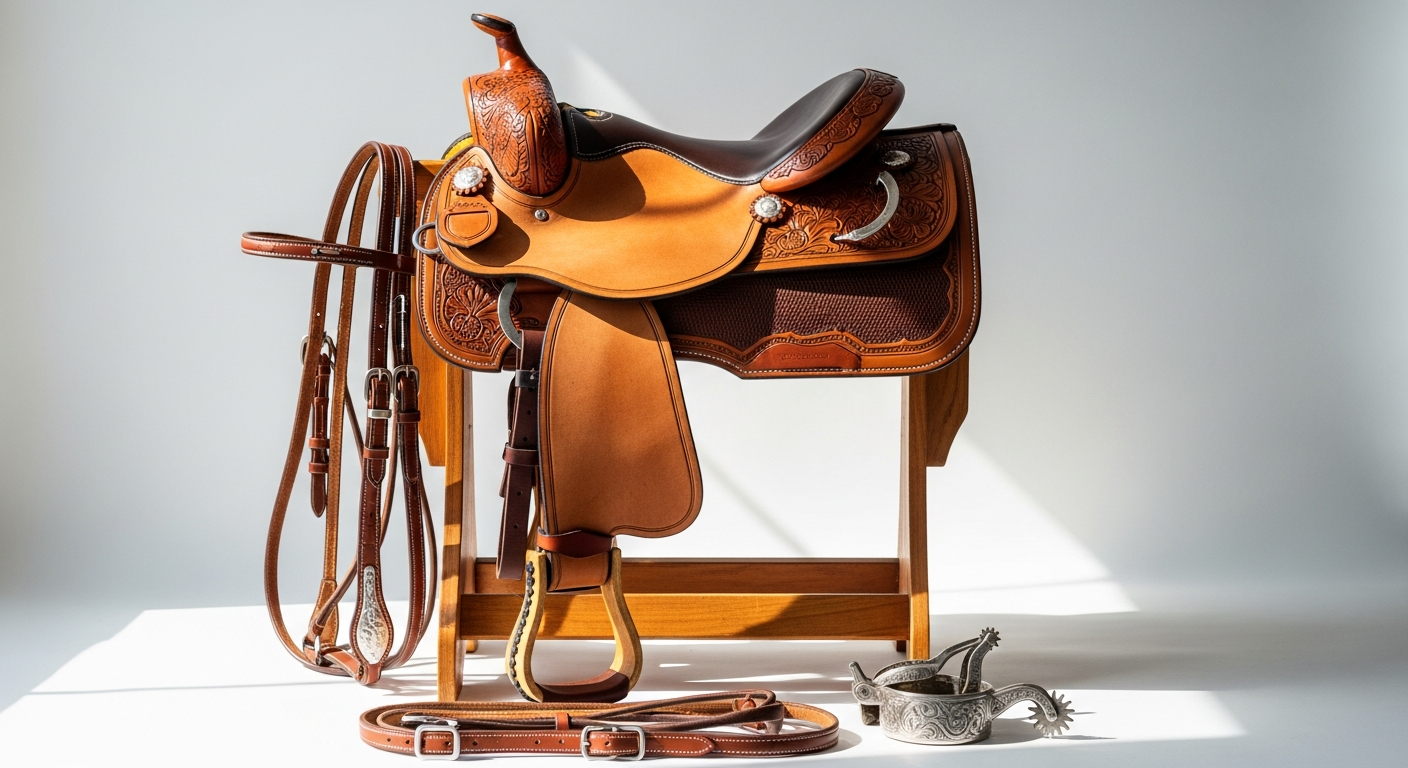
Did you know that an ill-fitting saddle pad can cause chronic back pain and behavioral issues in horses? Many riders overlook this critical piece of equipment, yet it's one of the most impactful investments you can make for your horse's wellbeing. Your saddle is only as effective as the foundation beneath it.
A Premium Contoured Western Saddle Pad isn't just padding—it's a performance-enhancing tool designed to distribute weight evenly, absorb shock, and keep your horse comfortable during long rides and intense training sessions. Whether you're trail riding, working cattle, or competing in rodeo events, this equipment plays a pivotal role in both horse and rider satisfaction. Discover premium contoured western saddle pads on StateLineTack.com today.
This guide walks you through everything you need to know about premium contoured western saddle pads—from the engineering behind their effectiveness to maintenance tips that keep them performing for years.
The Engineering Behind Contoured Design: Why Shape Matters
How Contoured Pads Follow the Natural Topography of a Horse's Back
Contoured saddle pads are engineered to mirror the unique spinal curvature and muscular landscape of a horse's back. Rather than forcing a flat piece of material between saddle and horse, contoured designs recognize that every equine has natural hills and valleys along the spine and withers. This anatomical awareness transforms the pad from a passive layer into an active support system. The contours follow the horse's skeletal structure, creating a custom-like fit that adapts to the individual animal's physical profile.
Pressure Point Reduction and Its Impact on Spinal Health
One of the most significant advantages of contoured design is its ability to eliminate pressure points that plague horses wearing flat pads. When saddle weight distributes unevenly, concentrated pressure can damage muscle tissue, irritate nerves, and create chronic pain patterns. Contoured pads spread this load across a broader surface area, particularly protecting the sensitive areas along the spine and withers where nerves and blood vessels are most vulnerable. Over time, this pressure reduction translates to improved spinal health, better movement quality, and reduced behavioral issues stemming from discomfort.
Comparison Between Contoured and Flat Pad Designs
Flat pads offer basic functionality at lower price points, but they create unavoidable pressure concentrations as the saddle settles into the horse's back. Contoured pads, by contrast, maintain consistent contact through their engineered shape. The difference becomes immediately apparent during rides: horses wearing contoured pads move with greater freedom, exhibit fewer signs of soreness, and respond more willingly to cues. Riders report improved stability and a more balanced seat when the foundation beneath the saddle is properly shaped.
How Proper Contouring Prevents Saddle Slipping and Shifting
A properly contoured pad grips the horse's back through its shape alone, reducing the tendency for saddles to shift during movement. This stability matters tremendously during demanding work like roping or barrel racing, where sudden directional changes and weight shifts could compromise a saddle's position on a flat pad. The contoured design creates pockets of contact that keep the saddle centered and secure, reducing friction and the need for constant adjustment during rides.
The Role of Anatomical Shaping in Long-Term Back Health
Anatomical shaping does more than improve immediate comfort—it actively supports long-term spinal integrity. By distributing pressure appropriately and reducing strain on vulnerable tissues, contoured pads help prevent the development of chronic conditions like kissing spine, sacroiliac joint dysfunction, and muscle atrophy. Horses ridden consistently on well-designed contoured pads show improved muscular development in the back and hindquarters, as their bodies can work efficiently without compensating for discomfort.
Weight Distribution Advantages for Different Horse Body Types
Barrel-shaped horses, lean competition horses, and everything between them benefit from contoured design, but the specific advantages vary by conformation. A barrel-built ranch horse needs maximum weight dispersion across a broader back surface, while a lean Thoroughbred-type benefits from contouring that prevents saddle rolling. Premium contoured pads account for these differences through their engineered shape, making them versatile enough for diverse equine body types while still optimizing performance for each.
Biomechanical Benefits for Both Horse and Rider Stability
When a horse's back receives proper support, its entire biomechanical system improves. The hindquarters engage more effectively, the topline strengthens, and movement becomes more efficient. For riders, this translates to a more secure, balanced seat. The stable platform created by contoured pads reduces the tendency for saddles to rock or shift, allowing riders to maintain proper position and apply aids more effectively. This mutual stability creates a partnership where both horse and human can perform at their best.
Material Composition: Understanding Shock Absorption Technology
Core Materials Explained: Felt, Foam, Gel, and Hybrid Systems
The heart of any saddle pad is its shock-absorbing core, and different materials excel in different ways. Felt offers traditional durability and excellent shock absorption through compressed natural fibers, making it ideal for long-term use. Foam provides lightweight cushioning that responds quickly to impact, though it can compress over time. Gel materials offer superior shock absorption with minimal compression, providing consistent performance across the pad's lifespan. Hybrid systems combine multiple materials to balance shock absorption, durability, and weight, often pairing a dense foam base with a gel layer for optimal performance.
How Each Material Absorbs and Disperses Impact Differently
Felt works through density and fiber interlocking, dispersing impact gradually across a wider area. Foam absorbs energy through cell compression, making it responsive but potentially susceptible to bottoming out under extreme pressure. Gel materials use viscous properties to absorb and redirect energy without significant compression, offering the most consistent performance. Understanding these differences helps riders select pads suited to their specific discipline—gel excels for high-impact work like barrel racing, while felt provides reliable, long-lasting protection for everyday riding.
Exterior Fabric Options: Wool, Synthetic Blends, and Cotton
The exterior layer faces constant contact with saddles and horses, demanding durability and functionality. Wool offers natural resilience, excellent moisture management, and traditional appeal, though it requires more meticulous maintenance. Synthetic blends provide durability and easier care while sacrificing some of wool's natural properties. Heavy-duty cotton offers affordability and breathability but generally requires more frequent replacement than premium alternatives. Premium pads often feature wool or advanced synthetic blends that balance performance with practicality.
Moisture-Wicking Properties and Heat Management Benefits
Superior saddle pads actively manage the moisture and heat generated during riding. Wool naturally wicks moisture away from the horse's skin, allowing sweat to evaporate rather than accumulating against the horse's back. Quality synthetic blends mimic this wicking action while offering easier maintenance. Effective moisture management prevents the warm, damp environment that encourages bacterial growth and skin irritation, keeping your horse comfortable and healthy during extended rides.
Fleece and Soft Lining Materials for Chafe Prevention
The underside of premium pads features soft, smooth materials like fleece that prevent the chafing and hair loss that comes from rough contact between pad and skin. These linings create a gentle barrier that protects even sensitive horses while maintaining breathability. Quality fleece doesn't compress into felt over time the way lower-grade materials do, maintaining its protective properties throughout the pad's lifespan.
Breathability Standards and Airflow Considerations
Airflow matters more than many riders realize. Pads that trap heat and moisture create environments where bacteria thrive and skin problems develop. Premium contoured pads incorporate materials and construction techniques that allow air to circulate freely, preventing heat buildup even during intense workouts. This breathability is especially crucial in warm climates or during demanding athletic activities where sweat production runs high.
Durability Ratings Across Different Material Combinations
Durability varies significantly based on material selection and construction quality. All-wool pads from quality manufacturers can last 10+ years with proper care, while some synthetic options deteriorate faster despite lower maintenance requirements. Premium hybrid systems often offer optimal durability, combining materials that resist compression and wear. Understanding durability ratings helps determine actual cost-per-use, making a higher initial investment sometimes more economical than cheaper alternatives requiring frequent replacement.
Climate Considerations When Selecting Material Types
Your local climate should influence material selection. Wool excels in variable climates but struggles in humid environments where moisture lingering against the pad promotes bacterial growth. Synthetic blends perform better in high-humidity regions. Gel materials work well in extreme temperature fluctuations, while felt can become waterlogged in wet climates. Matching material type to your climate ensures optimal performance and longevity. Browse StateLineTack.com's selection to find the perfect pad for your climate.
Sizing and Specifications: Finding Your Perfect Fit
Standard Dimensions: 30×30 Inches Versus 32×32 Inches
Most Western saddle pads come in two primary sizes: 30×30 inches and 32×32 inches. The 30×30 size works well for smaller horses, lighter riders, and those using more compact saddles. The 32×32 size accommodates larger horses, provides broader weight distribution, and suits full-sized Western saddles. Choosing the correct size ensures the pad covers the appropriate area beneath the saddle without excess material bunching or insufficient coverage that leaves the horse unprotected.
Thickness Ranges (0.75 to 1.5 Inches) and What They Mean for Fit
Pad thickness ranges from minimal (0.75 inches) to substantial (1.5 inches), with each thickness level serving different purposes. Thinner pads work well for horses that need closer saddle contact or when riders want to feel their horse's movement more directly. Thicker pads provide enhanced shock absorption and are ideal for horses with sensitive backs or those doing high-impact work. Understanding your horse's needs and your discipline requirements guides appropriate thickness selection.
How Pad Thickness Affects Saddle Contact and Feel
Adding thickness between saddle and horse necessarily changes the contact dynamic. Thinner pads maintain closer communication between rider and horse, allowing more subtle aids and seat influence. Thicker pads reduce shock transmission but create more distance between rider and horse. For competitive work requiring precise communication, thinner pads may be preferable. For trail riding and casual work, thicker pads offer more cushioning and comfort. The optimal thickness balances shock absorption with the contact level your discipline demands.
Matching Pad Size to Saddle Type and Horse Conformation
Different saddle styles and horse body types require thoughtful size matching. A roping saddle may fit better with a 30×30 pad due to its design, while a ranch saddle might benefit from 32×32 coverage. Horses with extremely broad or narrow backs present unique challenges—those with very broad backs need the full coverage of a 32×32, while those with narrow withers might work better with a 30×30 to prevent excess material shifting.
Considerations for Barrel-Shaped Versus Lean Horses
Barrel-shaped horses have broader backs and require pads that distribute weight across this wider surface effectively. A 32×32 pad with contoured design suits them well, providing comprehensive coverage and stability. Lean horses with narrow backs need pads that maintain secure positioning without excess material. A properly sized 30×30 or 32×32 contoured pad keeps position stable on these frames without creating bunching or shifting problems.
Thickness Adjustments for Horses Requiring Closer Contact
Some horses perform better with less padding between saddle and back. Horses sensitive to heavy cushioning, those needing extremely close contact for competitive precision, or those whose saddles already fit well sometimes work better with thinner pads. A 0.75-inch pad maintains substantial protection while allowing closer feel. These horses benefit from premium shock-absorption technology packed into minimal thickness, ensuring protection despite the reduced cushioning profile.
Measurement Guidelines for Ensuring Proper Coverage
Proper pad coverage extends from just behind the withers to approximately four inches behind the saddle's cantle, ensuring the entire saddle-bearing area receives protection. Width-wise, the pad should extend approximately four inches beyond the saddle's edges on each side. Measuring your horse's back from withers to saddle seat length helps determine appropriate pad size. Many vendors provide detailed sizing charts—consulting these ensures your selection provides complete, effective coverage.
Performance Benefits for Serious Western Riders
Superior Comfort Advantages During Extended Riding Sessions
Serious Western riders often spend entire days in the saddle during cattle work, trail riding, or training sessions. A premium contoured pad transforms these marathon sessions by maintaining comfort throughout. Superior shock absorption reduces the cumulative impact that creates soreness and fatigue. Proper weight distribution prevents the pressure points that develop into persistent pain. Riders frequently report feeling fresher at the end of long days when using quality pads, and horses show markedly less soreness and behavioral stress.
Shock Absorption Impact on Joint and Ligament Stress
Every stride generates impact that travels through the horse's joints and ligaments. Inadequate padding forces these structures to absorb forces they weren't designed to withstand repeatedly, leading to inflammation, arthritis, and chronic lameness. Premium shock-absorbing pads intercept these forces, dramatically reducing stress on joints, ligaments, and tendons. Over a horse's lifetime, this protection translates to years of extended soundness and reduced veterinary expenses related to joint degradation.
Improved Saddle Stability and Security in the Saddle
A contoured pad that grips the horse's back through its engineered shape creates a stable platform for the saddle. This stability allows riders to relax rather than constantly adjusting their position. In disciplines like barrel racing or roping where split-second weight shifts matter, this stability provides the secure foundation necessary for precise performance. Riders consistently report feeling more confident and secure in their saddle when paired with a quality contoured pad.
Enhanced Moisture Management Preventing Skin Irritation
Sweat trapped against the horse's skin creates ideal conditions for bacterial and fungal growth, resulting in irritation, rashes, and potential infection. Premium pads featuring quality materials and thoughtful construction manage moisture actively, wicking sweat away from the skin and allowing it to evaporate. Horses ridden regularly with quality moisture-management pads show significantly fewer skin issues and less hair loss where the pad contacts the back.
Heat Buildup Reduction During Intense Workouts
Heat accumulation during intense work can stress horses thermally and create uncomfortable conditions under the saddle. Premium pads with superior breathability and moisture-wicking properties minimize heat buildup, keeping the horse comfortable and allowing sweat to evaporate efficiently. This thermal management becomes especially important during demanding work in warm climates, where overheating can compromise performance and wellbeing.
Long-Term Durability and Cost-Per-Use Value Proposition
Premium contoured pads command higher initial investment, but their durability makes them economical long-term. A high-quality pad lasting 10 years costs far less per use than a budget pad replaced every two years. Beyond pure economics, consistent use of a proven-quality pad eliminates the performance variability and adjustment period that comes with switching between different pads. This consistency itself has value for training and competitive pursuits where subtle changes affect performance.
Performance Gains in Competitive Disciplines (Roping, Barrel Racing, Ranch Work)
Competitive Western riders notice measurable performance improvements with premium pads. Barrel racers report improved turning responsiveness and less hindquarter slipping. Ropers appreciate the security and stability these pads provide during the dynamic movements of a successful rope. Ranch riders handling cattle all day benefit from the comfort and shock absorption that allows sustained performance. The performance gains aren't marginal—serious competitors consistently choose premium options because the difference directly impacts results.
Maintenance and Care: Protecting Your Investment
Cleaning Protocols for Wool Versus Synthetic Materials
Wool requires more careful handling than synthetics but rewards that care with lasting performance. Hand-washing wool pads in cool water with mild soap, gently squeezing rather than scrubbing, preserves the fiber structure. Air-drying completely before storage prevents mildew and bacterial growth. Synthetic materials tolerate more vigorous cleaning and faster drying, often machine-washing well on gentle cycles. Understanding your pad's material composition guides appropriate cleaning approaches that maintain rather than damage the pad.
Preventing Matting and Maintaining Structural Integrity
Natural fibers like wool tend to mat when compressed and exposed to moisture without proper drying. Allowing pads to dry completely between uses, storing them flat rather than folded, and occasionally brushing the wool surface helps prevent matting. Matted fibers lose shock-absorbing properties and become less effective. Proper drying and storage practices preserve the structural integrity that makes premium pads effective over many years.
Bacterial Growth Prevention and Hygiene Practices
Bacteria flourish in warm, damp environments, making regular pad cleaning essential for hygiene. Allowing saddle pads to dry completely before storage, storing them in well-ventilated areas, and cleaning them regularly prevents bacterial accumulation. Some riders periodically treat their pads with antimicrobial products designed for equine equipment, providing additional protection during peak riding seasons or in humid climates.
Drying Techniques That Preserve Material Quality
Proper drying preserves pad integrity far better than improper methods. Air-drying naturally without heat or direct sunlight preserves material structure and prevents shrinkage. Using a dryer on high heat can melt synthetic materials or cause wool to felt. Hanging pads to air-dry in a well-ventilated area, turning them periodically for even drying, ensures longevity. Complete drying before storage prevents moisture-related degradation and ensures the pad ready for next use is as effective as when new.
Storage Recommendations for Off-Season Protection
Off-season storage dramatically affects pad longevity. Store clean, completely dry pads in a cool, dry location away from direct sunlight, which fades and weakens materials over time. Avoid storing pads in damp areas like basements or uninsulated sheds, where moisture promotes mold and bacterial growth. Cedar chips or blocks in the storage area help repel insects. Proper storage ensures pads remain fresh and effective when pulling them out for a new season.
Spot-Cleaning Versus Full Washing Schedules
Regular spot-cleaning between full washes extends the intervals needed for intensive cleaning while maintaining hygiene. After rides, brushing out sweat and dirt from the pad prevents accumulation. Spot-cleaning stains and particularly dirty areas weekly keeps pads relatively fresh. Full washing might occur monthly during heavy use periods or quarterly during lighter use. This combined approach balances maintenance effort with the hygiene and longevity that keeps premium pads performing optimally.
Seasonal Maintenance Tips for Different Climates
Warm, humid climates demand more frequent cleaning to prevent bacterial and fungal growth. Drying times extend in high humidity, making thorough post-ride drying essential. Cold, dry climates allow less frequent cleaning but require vigilance about moisture if horses sweat heavily before being put away. Rainy climates demand quick drying after wet conditions to prevent mildew. Adapting your maintenance approach to your climate ensures pads remain fresh and functional year-round.
Signs That Your Pad Needs Replacement or Repair
Quality pads last years with proper care, but they're not indefinite investments. Loss of shock absorption (pad feels hard or provides minimal cushioning), permanent compression, torn seams, separation of materials, or deteriorated linings signal replacement time. Minor issues like small tears can be professionally repaired, extending pad life. Regular assessment of your pad's condition allows you to replace it before it fails catastrophically or becomes ineffective, ensuring your horse always has proper protection.
The Bottom Line: Investing in Your Horse's Future
A Premium Contoured Western Saddle Pad represents far more than a simple accessory—it's a commitment to your horse's comfort, performance, and longevity. The engineered contours, shock-absorbing materials, and thoughtful construction work together to create a riding experience that benefits both you and your horse. The investment in quality pays dividends through years of reliable performance, reduced veterinary concerns related to back pain, and noticeably improved behavior and responsiveness from your horse.
StateLineTack.com's curated selection ensures you're accessing premium options at competitive prices. Your horse deserves equipment that prioritizes their wellbeing, and you deserve the confidence that comes with knowing you've made the right choice. Start shopping for premium contoured western saddle pads on StateLineTack.com and invest in your horse's future today.
Leave a Reply