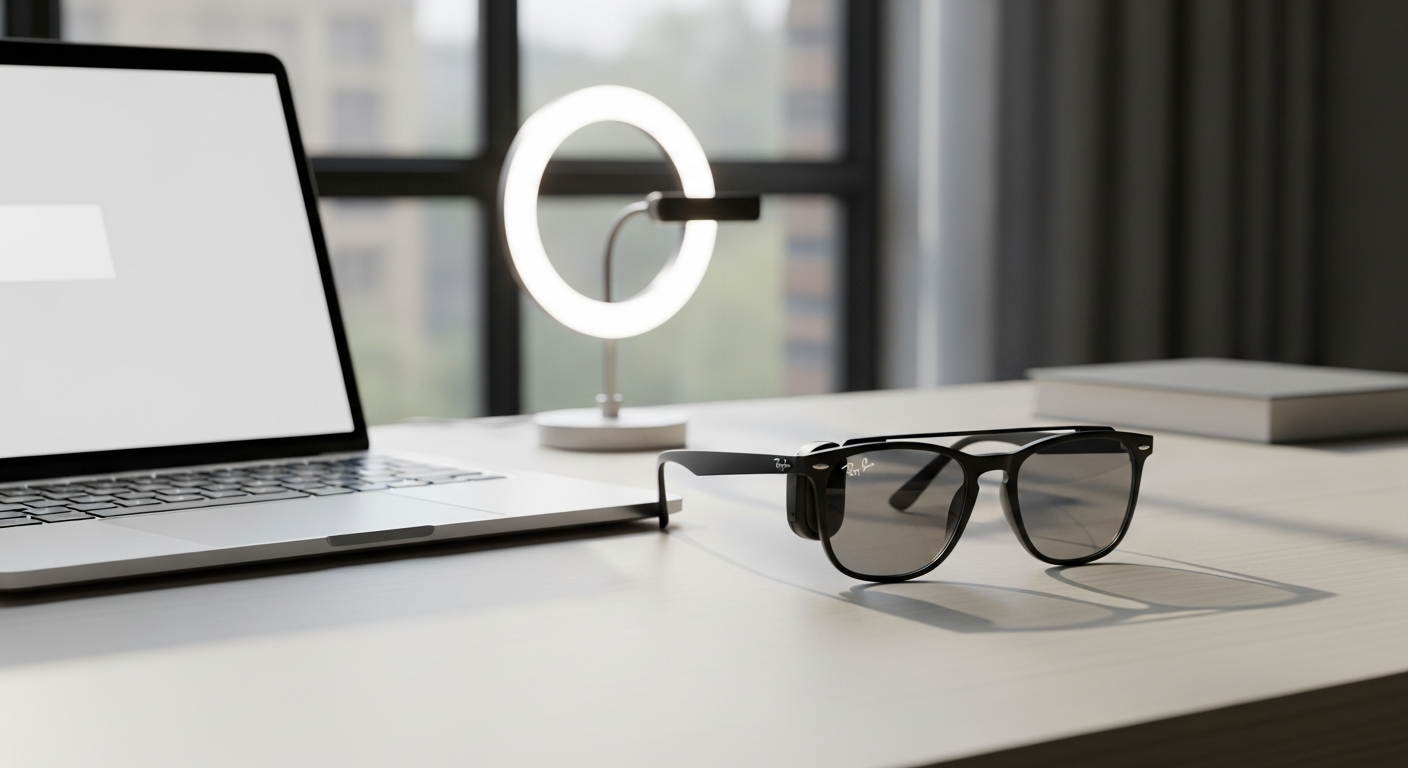
Smart glasses have spent years struggling to feel practical for everyday use. Earlier models often looked bulky, awkward, or overly experimental, making them difficult to integrate into daily life.
The Ray-Ban Meta Wayfarer Gen 2 changes that formula by combining recognizable Wayfarer styling with modern wearable technology. Instead of forcing users to wear obvious tech hardware, the glasses integrate cameras, AI tools, and audio features into one of the world’s most familiar eyewear designs.
That balance between fashion and functionality is a major reason the product has gained mainstream attention in 2026.
The First-Person Camera Experience Feels More Natural
One of the strongest features is the built-in 12MP ultra-wide camera capable of capturing:
- Photos
- 3K video
- Hands-free recordings
- Live social media content
Unlike smartphones or action cameras, the glasses capture footage directly from the wearer’s perspective.
This creates more natural-looking content because users are not constantly stopping to reposition cameras or hold devices in front of their faces.
For creators, this becomes especially useful during:
- Travel vlogging
- Walking tours
- Live events
- Everyday documentation
- Social content creation
The hands-free design reduces friction between experiencing moments and recording them.
Meta AI Integration Expands Everyday Functionality
The Meta AI system turns the glasses into more than just a wearable camera.
Voice commands allow users to:
- Ask questions
- Translate languages
- Send messages
- Control music
- Capture media
- Request outfit suggestions
The AI responds conversationally without requiring constant phone interaction.
Real-time translation is particularly useful for travelers navigating signs, menus, or short conversations in unfamiliar languages.
The voice interaction also feels more natural than repeatedly pulling out a phone throughout the day.
Open-Ear Audio Improves Daily Convenience
The glasses use open-ear speakers built into the frame.
This allows users to:
- Listen to music
- Take phone calls
- Hear navigation
- Access voice responses
while still remaining aware of their surroundings.
The audio quality performs especially well for:
- Podcasts
- Voice calls
- Casual music listening
The five-microphone system also improves voice clarity by reducing background noise during calls and recordings.
Although bass remains more limited than traditional headphones, the convenience factor becomes one of the glasses’ biggest strengths.
The Design Still Looks Like Real Ray-Bans
A major reason the product succeeds is that it still feels like authentic Ray-Ban eyewear.
The iconic Wayfarer silhouette avoids the overly futuristic appearance that hurt many earlier smart glasses products.
Available frame styles and lens options include:
- Classic black frames
- Clear lenses
- G-15 green lenses
- Transition lenses
- Prescription compatibility
This flexibility allows users to wear the glasses as genuine everyday eyewear rather than occasional tech accessories.
Battery Life Is More Practical Than Earlier Smart Glasses
Battery performance has improved significantly compared to earlier wearable glasses.
The Gen 2 model provides roughly:
- Up to 8 hours of mixed use
The charging case extends total battery availability to approximately:
- 40–48 additional hours
For most users, this supports full-day use without major charging anxiety.
Heavy video recording still drains the battery faster, but casual mixed use generally performs well in real-world conditions.
There Are Still Some Camera Limitations
Despite strong convenience, the camera does have limits.
Low-light performance remains weaker than flagship smartphones, especially during:
- Night recording
- Dusk environments
- Indoor dim lighting
The glasses also prioritize automatic shooting rather than advanced manual controls.
Professional photographers or cinematic creators may still prefer dedicated camera equipment for higher-end production work.
Privacy Concerns Remain Part of the Conversation
As with all wearable cameras, privacy discussions remain important.
The glasses include:
- A visible recording LED
- Voice activation systems
- Cloud-connected functionality
Responsible use still matters heavily, especially in public spaces or private environments where recording expectations may vary.
Users should understand local privacy laws and Meta’s data handling policies before relying heavily on wearable recording features.
The Price Targets Premium Wearable Buyers
Pricing generally falls between:
- AUD $379–$500
That places the Ray-Ban Meta glasses firmly within the premium wearable category.
The cost reflects the combination of:
- Ray-Ban branding
- Smart camera integration
- AI functionality
- Audio systems
- Prescription lens compatibility
For casual users, the investment may feel difficult to justify. For creators and heavy tech users, the convenience and versatility may feel far more compelling.
A Smart Glasses Platform That Finally Feels Mainstream
The Ray-Ban Meta Wayfarer Smart Glasses stand out because they successfully combine wearable technology with genuinely wearable design. The first-person camera system, Meta AI integration, open-ear audio, and recognizable Wayfarer styling create a device that feels practical instead of experimental.
For users wanting hands-free content capture and AI functionality without sacrificing everyday style, the Ray-Ban Meta Wayfarer Gen 2 represents one of the strongest smart glasses options currently available.
Leave a Reply