Over 70% of adults struggle with either acne or visible signs of aging—and many battle both simultaneously. It's a frustrating reality that keeps people searching for solutions that actually work. Traditional skincare routines often fall short, leaving users cycling through countless products that promise results but deliver disappointment.
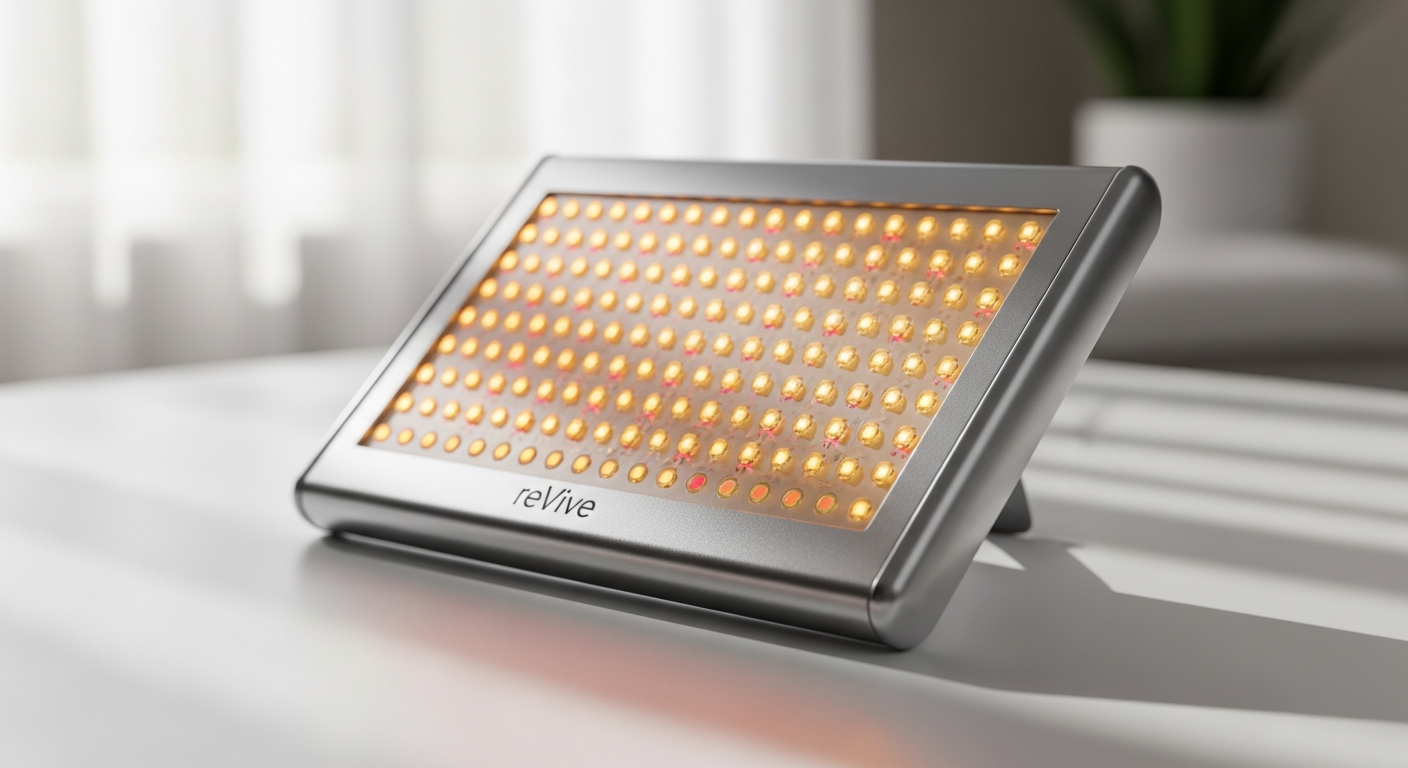
The reVive Lux dpl IIa LED Panel represents a shift in how we approach at-home skincare by using clinically-proven light wavelengths to target the root causes of skin problems. Rather than masking symptoms with topical treatments, this FDA-cleared medical device addresses the underlying factors that contribute to acne breakouts and visible aging. The technology has earned recognition from major publications, including a "Best Red Light Therapy Panel" designation from Glamour.com, alongside numerous five-star reviews from satisfied users.
Throughout this guide, you'll discover exactly how the dpl IIa's multi-wavelength technology works, which skin concerns it tackles most effectively, and whether this investment makes sense for your specific skincare goals. Explore the reVive Lux dpl IIa LED Panel to see if it's the right fit for your skincare routine.
The Science Behind Multi-Wavelength LED Light Therapy
Light therapy works because different wavelengths penetrate skin at varying depths, each triggering specific biological responses. The reVive dpl IIa combines four distinct light wavelengths, allowing the device to address multiple skin concerns simultaneously rather than forcing users to choose between treatments.
How Different Light Wavelengths Penetrate Skin
Red light penetrates the dermis—the middle layer of skin—at depths of 600-700 nanometers. This wavelength stimulates cellular energy production and activates fibroblasts, the cells responsible for collagen synthesis. Infrared light goes even deeper, reaching into the subcutaneous tissue and promoting systemic healing responses. Amber light operates at intermediate depths, working primarily on the epidermis and upper dermis. Blue light, with a shorter wavelength of 400-500 nanometers, stays closer to the skin's surface, making it ideal for targeting bacteria within the pores.
Red and Infrared Light's Role in Collagen Stimulation
Red and infrared wavelengths boost collagen production through a process called photobiomodulation. When these lights interact with mitochondria in skin cells, they increase ATP production—essentially giving cells more energy to repair and rebuild themselves. The result is visibly firmer, more resilient skin with reduced fine lines and improved elasticity. Regular sessions train the skin to maintain higher collagen levels naturally, creating sustained improvements rather than temporary effects.
Amber Light's Effectiveness for Healing and Skin Texture
Amber light occupies a unique position between red and blue in the light spectrum, combining some benefits of both while offering its own advantages. It stimulates lymphatic drainage, helping the skin flush toxins and reduce inflammation. Many users report that amber light noticeably improves skin texture and tone, creating a more even, refined appearance. This wavelength particularly benefits those with reactive or sensitized skin, as it promotes healing without the intensity of pure red or blue light.
Blue Light's Mechanism for Targeting Acne-Causing Bacteria
Acne develops when bacteria (Cutibacterium acnes) colonize pores and trigger inflammatory responses. Blue light has a specific affinity for porphyrins—compounds naturally produced by acne bacteria. When exposed to blue light, these porphyrins generate reactive oxygen species that destroy the bacterial cell membranes. The dpl IIa's blue light setting provides sufficient intensity to eliminate acne-causing bacteria without damaging healthy skin cells. This mechanism works regardless of acne severity, making it equally effective for mild breakouts and persistent inflammatory acne.
Treating Acne and Anti-Aging with One Device
The ability to address both acne and aging with a single device sets the dpl IIa apart from most at-home treatments. Rather than maintaining separate systems for different concerns, users can switch between specialized treatment modes depending on their current skin needs.
The Three Treatment Modes: Acne-Focused, Anti-Aging, and Combination Settings
The acne-focused mode prioritizes blue and red light wavelengths to eliminate bacteria and reduce inflammation. The anti-aging mode emphasizes red and infrared light to maximize collagen stimulation and reduce fine lines. The combination mode blends all wavelengths, providing a balanced approach for those managing both concerns simultaneously. Users can customize their treatment strategy based on seasonal changes, stress levels, or hormonal fluctuations that affect their skin.
How the dpl IIa Addresses Inflammatory Acne Without Harsh Chemicals
Chemical acne treatments—benzoyl peroxide, salicylic acid, retinoids—work but often cause dryness, sensitivity, and irritation. The dpl IIa eliminates acne through light-based bacterial destruction, meaning no harsh compounds enter the bloodstream and skin remains undamaged. This approach proves especially valuable for people with sensitive skin, those taking isotretinoin or other medications with contraindications, or anyone seeking gentler alternatives to pharmaceutical treatments. Because the mechanism is purely physical—destroying bacteria rather than chemically altering skin—resistance doesn't develop, and the treatment remains consistently effective.
Reducing Fine Lines and Wrinkles Through Natural Collagen Production
Professional light therapy treatments cost hundreds of dollars per session and require monthly visits to maintain results. The dpl IIa achieves comparable outcomes at home by consistently triggering collagen synthesis. Within two to four weeks of regular use, users typically notice improved skin plumpness and reduced fine line visibility. By three months, deeper wrinkles begin to soften noticeably. The key difference from topical treatments is that light therapy works within the skin rather than on its surface, creating structural improvements rather than temporary cosmetic effects.
Coverage, Convenience, and Time Efficiency
Professional light therapy panels are large because coverage area directly impacts treatment effectiveness. The dpl IIa mirrors this professional advantage with a generous treatment surface that spans the entire face, neck, and décolleté in a single session.
Large Treatment Area Design for Full Face and Beyond
Rather than handheld devices requiring precise targeting and multiple passes, the dpl IIa's panel design allows users to treat expansive areas simultaneously. This matters because the neck and décolleté age faster than the face but often receive inadequate skincare attention. The ability to address these areas in one session encourages consistency—if users had to treat the face and neck separately, they'd be more likely to skip the neck eventually. The large coverage area also means users can treat shoulders, chest, and other sun-exposed regions where aging and acne occur.
Three-Minute Treatment Sessions and Their Role in Consistency
Treatment duration significantly impacts whether people maintain long-term routines. The dpl IIa's three-minute sessions fit seamlessly into morning or evening rituals, unlike professional treatments requiring 20-30 minute appointments plus commute time. Short sessions remove the friction that causes people to abandon skincare protocols. Additionally, shorter exposures suit daily use without overwhelming the skin, allowing for consistent, gentle stimulation that produces steadier results than sporadic longer treatments.
Hands-Free Operation and How It Fits Into Busy Lifestyles
The dpl IIa operates hands-free, meaning users can read, check emails, or prepare breakfast during treatment. This operational design transforms skincare from a chore into a background activity, reducing the mental resistance many people feel toward maintaining beauty routines. Parents juggling multiple responsibilities, professionals with demanding schedules, and students managing coursework can all integrate light therapy without significant lifestyle changes. This convenience directly contributes to the consistent use required for visible results.
FDA Clearance and Safety Standards Explained
Not all LED devices are created equal. The distinction between FDA-cleared medical devices and unregulated wellness products carries substantial implications for safety and efficacy.
What FDA Class II Medical Device Classification Means for Consumers
FDA Class II medical devices undergo clinical testing to demonstrate safety and efficacy for their intended use. Manufacturers must submit extensive documentation proving the device performs as claimed. The dpl IIa's FDA clearance as a Class II device means independent labs have validated its specifications—wavelength accuracy, light intensity, safety profiles—and clinical studies have confirmed its effectiveness. This differs dramatically from unregulated devices sold as "wellness tools" without clinical backing.
Safety Testing and Clinical Validation Behind the dpl IIa
The dpl IIa has undergone rigorous testing for wavelength consistency, ensuring light output remains accurate throughout the device's lifespan. Clinical trials documented improvements in acne severity, wrinkle depth, and skin firmness with measurable metrics. Adverse event monitoring continues post-market, allowing manufacturers to identify and address any safety concerns. This commitment to clinical validation explains why dermatologists recommend the dpl IIa to patients—it's backed by science, not marketing claims.
How FDA Clearance Differs From Unregulated LED Panels
Unregulated devices may emit incorrect wavelengths, insufficient intensity, or uneven light distribution—all factors that reduce effectiveness. Some unregulated panels lack proper heat management, potentially causing burns or discomfort. Without clinical validation, manufacturers make unsubstantiated claims about results and safety. Choosing an FDA-cleared device like the dpl IIa means investing in proven technology rather than gambling with unproven alternatives.
Investment vs. Return: Is the $319-$399 Price Point Worth It?
The dpl IIa costs significantly more than drugstore skincare products but substantially less than professional treatments. Evaluating value requires comparing total investment against long-term savings and quality of life improvements.
Cost Comparison: dpl IIa vs. Professional Light Therapy Treatments
Professional light therapy sessions typically cost $150-$300 per treatment, with dermatologists recommending weekly or biweekly sessions for optimal results. A single month of professional treatment costs $600-$1,200. Annual professional light therapy easily exceeds $7,200. The dpl IIa's $319-$399 price tag covers an entire year of unlimited daily use. After the first month, every subsequent treatment represents essentially free skincare maintenance compared to ongoing professional costs. Check current pricing on the reVive Lux dpl IIa to see how it compares with your typical skincare expenses.
Monthly Savings on Dermatology Appointments and Spa Visits
Beyond professional light therapy, consider dermatology appointments for acne treatments ($100-$250 each) and spa facials ($75-$200 each). Many people combine these services monthly—dermatology for acne concerns, facials for anti-aging benefits. That's potentially $300-$600 monthly in professional skincare. Within one month of owning the dpl IIa, users could save hundreds of dollars they were previously spending on appointments and treatments.
ROI Timeline: When You'll See Results That Justify the Expense
Results typically emerge within two to four weeks of consistent use, though improvements continue accelerating through month three. By six weeks, most users see acne reduction and smoother skin texture. By three months, fine line reduction becomes obvious to casual observers. Given the three to six week timeline to measurable improvements, the investment pays for itself by month two when compared against professional treatment costs. Extended use over years creates compounding returns as sustained collagen production prevents new aging signs from developing.
Transform Your Skin Without Leaving Home
The reVive Lux dpl IIa LED Panel represents a genuine breakthrough for anyone tired of ineffective skincare routines or expensive professional treatments. By harnessing the power of red, infrared, amber, and blue light wavelengths, this FDA-cleared device tackles acne and aging simultaneously rather than forcing users to choose between concerns.
Yes, the $319-$399 investment requires thoughtful consideration, but when you factor in the cost of dermatology appointments and professional light therapy sessions, the dpl IIa quickly pays for itself. Users consistently report visible improvements in skin texture, clarity, and firmness within weeks. The three-minute daily sessions integrate seamlessly into existing routines, removing the friction that derails most skincare commitments.
The combination of clinical validation, proven results, and genuine convenience positions the dpl IIa as a logical choice for serious skincare. If you're managing acne, visible aging signs, or both, and you're willing to commit to consistent use, this device delivers measurable improvements that justify its price. Start your light therapy journey with the reVive Lux dpl IIa LED Panel today.
Leave a Reply