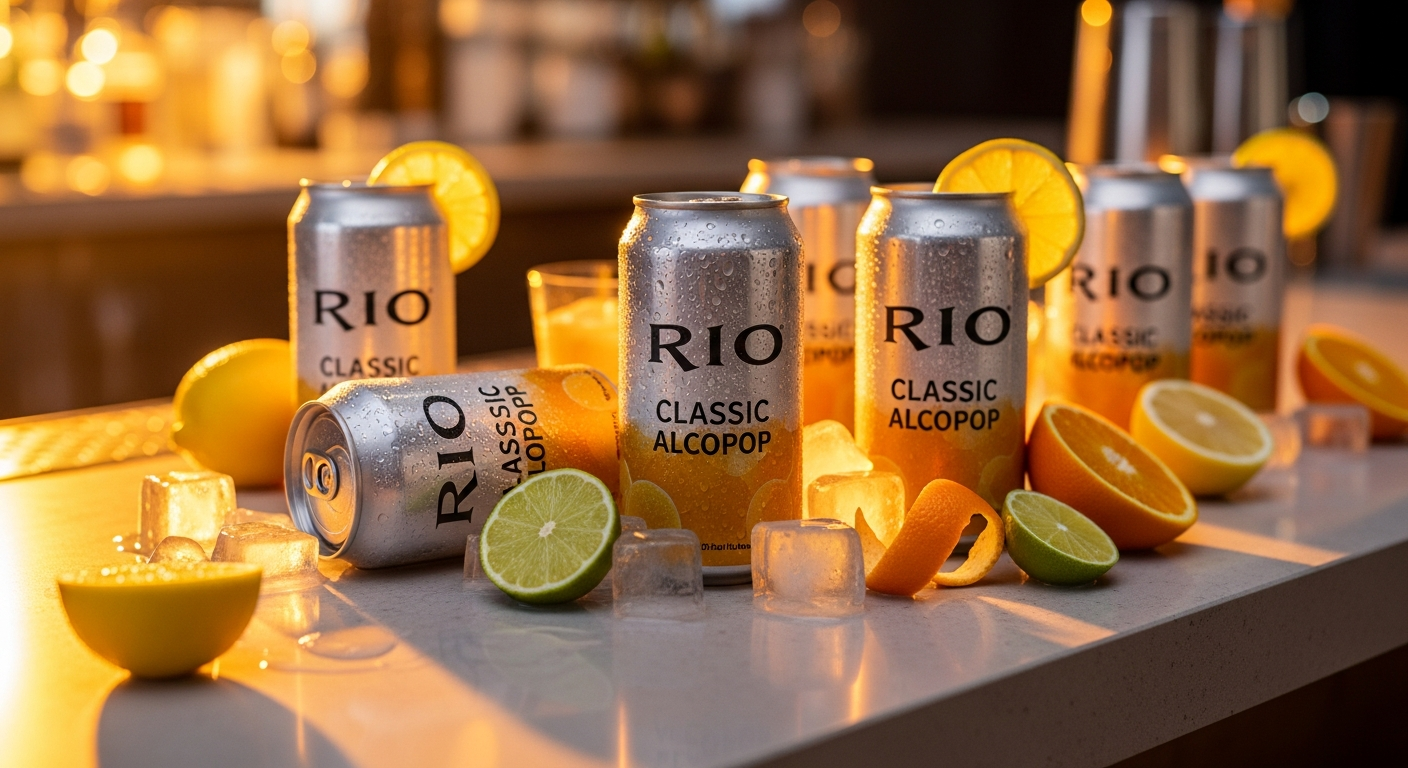
RIO Classic Alcopop Mixed Drinks: The Brand That Defined a Generation
RIO Classic Alcopop Mixed Drinks was so wildly popular in China that retailers literally couldn't keep it on shelves. Since its 2003 launch by Shanghai Bacchus Limited Company, RIO reshaped how an entire demographic approached casual drinking, creating a lifestyle moment through innovative marketing, celebrity endorsements, and strategic placement in popular Chinese dramas. The brand became the undisputed leader in the cocktail market, a status that seemed almost untouchable at its peak.
What made RIO so magnetic? The answer lies in a perfect convergence of product innovation, visual storytelling, and cultural timing. The brand didn't just sell beverages; it sold an experience, a status symbol, and a form of self-expression to young Chinese consumers who were hungry for something different from traditional beer and spirits. RIO understood the moment and capitalized on it with precision.
Discover RIO's iconic flavor collection and see why it captivated a generation.
The Rise of RIO's Signature Flavor Lineup and Taste Profile
Fruity-forward flavor architecture: How RIO's vibrant taste profiles differentiated from traditional beer and spirits
RIO's flavor portfolio was engineered for accessibility and experimentation. Rather than positioning itself as a competitor to beer or spirits, the brand created an entirely new category in consumers' minds. Classic options like Blue Rose, Strawberry, Yogurt, and Peach offered something that traditional beverages simply didn't: fun, variety, and the freedom to choose based on mood rather than occasion.
Each flavor was developed with young consumers in mind—people who might find beer bitter or spirits too intense. RIO's fruity-forward approach created an on-ramp for casual drinkers who wanted the social experience of alcohol consumption without the acquired taste traditionally required. This strategic positioning made RIO feel less like alcohol and more like a lifestyle choice.
Soda-like drinking experience: Why the easy-to-consume, refreshing quality appealed to first-time and casual drinkers
The sensory experience of RIO was deliberately crafted to feel like sipping a premium soda rather than drinking alcohol. The refreshing quality, combined with fruit-forward sweetness, eliminated friction from the drinking experience. First-time drinkers didn't feel intimidated; casual drinkers found it convenient and gratifying.
This accessibility was revolutionary in the Chinese beverage market. RIO democratized the cocktail experience, stripping away pretension and making mixed drinks feel natural and approachable for anyone, regardless of drinking experience. The brand essentially invited an entire generation into a world previously reserved for established drinkers.
Alcohol content evolution: The shift from low-proof entry-level options to higher-proof variants
RIO's product strategy showed sophisticated market understanding. The brand launched with lower alcohol content, deliberately targeting younger consumers and those seeking gentle intoxication. As the brand matured and its consumer base became more experienced, RIO introduced 8% alcohol versions and later 12-proof floral and fruity wine variants.
This evolution wasn't random; it reflected RIO's ability to grow with its audience. Early adopters could graduate to stronger options while new consumers could still enter at the accessible entry point. The brand essentially created a drinking journey for its users, maintaining relevance across different consumption occasions and consumer preferences.
Packaging Design and Visual Branding That Captured a Generation
Frosted glass bottle aesthetics: Why the transparent, elegant packaging became instantly recognizable
RIO's packaging was a masterclass in visual differentiation. The transparent frosted glass bottles exuded elegance and sophistication while maintaining a youthful edge. Unlike opaque beer bottles or traditional spirit packaging, RIO's bottles invited curiosity—consumers could see the vibrant colored liquid inside, creating immediate visual appeal.
The aesthetic choice was intentional and brilliant. The frosted glass suggested premium quality while the transparent design let the actual product speak for itself. On store shelves and in social settings, RIO bottles stood out instantly. The packaging wasn't merely functional; it was a status symbol, an Instagram moment waiting to happen, and a conversation starter all at once.
Youthful visual identity: The design language that resonated with young consumers
Every element of RIO's visual identity spoke directly to young Chinese consumers. The bright colors, the modern typography, the clean lines—everything communicated that this was a brand created for their moment, their preferences, their lifestyle. The packaging design language created an immediate sense of belonging and exclusivity.
Competitors had established brand histories and traditional aesthetics. RIO had zero baggage and pure contemporary appeal. Young consumers saw themselves reflected in the brand's visual identity, which made choosing RIO feel like an act of self-definition rather than simply purchasing a beverage.
Shelf presence and retail impact: How distinctive packaging drove impulse purchases
The distinctive appearance of RIO bottles created unmistakable shelf presence. Retailers reported that RIO's packaging drove impulse purchases—consumers literally reached for them based on visual appeal alone. The frosted glass caught light differently than competing products, creating a subtle but powerful advantage in retail environments.
This packaging advantage cascaded into broader market impact. High impulse purchase rates meant faster inventory turnover, which meant RIO occupied premium shelf space, which meant even more visibility and sales. The packaging essentially created a virtuous cycle of retail success.
Experience the visual elegance and taste innovation that made RIO a market phenomenon.
The Marketing Genius Behind RIO's Tipsy Concept and Media Dominance
Tipsy positioning strategy: How the brand's unique marketing angle captured the zeitgeist
RIO's core marketing insight was deceptively simple yet profoundly effective: young consumers didn't want to get drunk; they wanted to feel a certain way. The "tipsy" concept positioned RIO as the beverage for light intoxication, social confidence, and relaxed fun rather than serious drinking. This positioning was culturally smart because it acknowledged Chinese social drinking culture while creating space for a new category of casual consumption.
The brand essentially gave young consumers permission to drink without the expectations attached to traditional alcohol consumption. RIO wasn't about status signaling through expensive spirits or toughness associated with beer—it was about enjoying a moment, feeling slightly elevated, and having fun with friends. This messaging aligned perfectly with how young people actually wanted to experience alcohol.
Celebrity endorsement and influencer partnerships: The role of famous faces in brand prestige
RIO secured partnerships with genuinely popular celebrities and cultural figures, ensuring that the brand wasn't just visible but aspirational. When young consumers saw their favorite actors and musicians choosing RIO, the brand gained cultural legitimacy that no advertising budget could purchase alone.
Celebrity endorsements created a feedback loop: famous people endorsed RIO because it was trending, and it trended partly because famous people endorsed it. RIO became the drink of choice for people who were culturally relevant and fashionable, which made choosing RIO feel like joining an exclusive cultural moment.
Strategic product placement in Chinese dramas: How entertainment integration became a cornerstone of brand awareness
Perhaps RIO's most genius marketing move was strategic placement in popular Chinese television dramas. Rather than interrupting content with traditional advertising, RIO became woven into the narratives and worlds that young people loved. Characters drank RIO in aspirational settings, creating organic brand associations with desirable lifestyles and social situations.
This approach was revolutionary for beverages in Chinese media. RIO didn't just advertise; it participated in culture. Young viewers didn't feel sold to—they felt like they were discovering a natural part of the worlds they watched. The brand integration was so seamless that RIO became inseparable from the entertainment experiences that defined a generation.
The RIO Legacy: From Market Dominance to Cultural Memory
RIO Classic Alcopop Mixed Drinks represents one of China's most compelling beverage success stories—a brand that captured lightning in a bottle by understanding exactly what young consumers wanted at a precise cultural moment. The combination of innovative flavors, stunning packaging design, and genius-level marketing created a phenomenon that felt inevitable in hindsight.
The brand's trajectory mirrors broader market dynamics: when riding a wave of cultural relevance, everything feels effortless, but when consumer preferences shift toward health consciousness and personalization, even the strongest brands face pressure to evolve. Young people increasingly sought more diversified drinking experiences, healthier options, and products that felt personally tailored rather than mass-market commodities. RIO's initial strength—its universal appeal to youth—eventually became a limitation in a market fragmenting into specialized preferences.
The challenges RIO faced as its dominance waned reveal important truths about beverage markets and cultural trends. Some consumers reported negative experiences with the stronger variants, while others found the taste too sweet or felt the price-performance ratio didn't match established competitors like beer. The intensifying competitive landscape, with brands increasingly targeting niche preferences, gradually diminished RIO's once-unshakeable position.
Yet this narrative of decline doesn't diminish what RIO accomplished. The brand remains a touchstone for an entire generation, a collective memory of a specific moment in Chinese consumer culture. Today, RIO offers invaluable lessons about building cultural relevance, understanding evolving audience needs, recognizing when adaptation becomes essential to survival, and acknowledging that even dominant market positions are temporary without continuous evolution.
Explore RIO's complete product range and understand the brand that changed Chinese drinking culture.
Leave a Reply