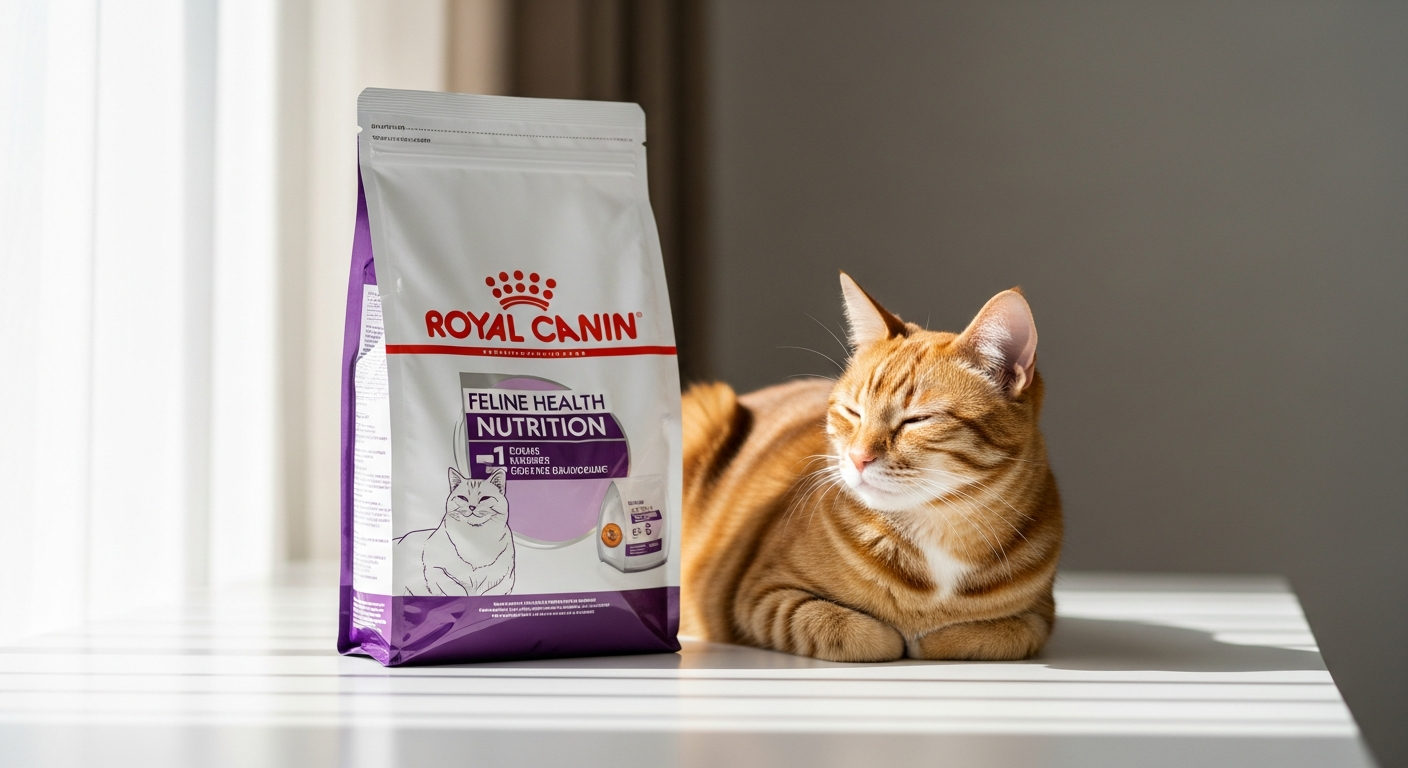
Indoor cats spend roughly 70% of their day grooming themselves, and that constant licking means hairballs become a real problem. Many cat owners watch their indoor companions struggle with digestive discomfort or deal with the unpleasant surprise of hairballs on the carpet. The reality is that indoor cats face metabolic challenges that outdoor cats simply don't experience.
Royal Canin Feline Health Nutrition represents years of veterinary research focused on indoor cats' specific needs, addressing the metabolic differences between indoor and outdoor cats. This isn't generic cat food—it's engineered specifically for the sedentary lifestyle that defines most indoor felines.
This guide breaks down exactly what makes this formula tick, from its hairball-fighting fiber blend to its weight-management strategy for sedentary felines, helping you understand whether it's the right fit for your indoor companion's specific needs. Discover how Royal Canin addresses your indoor cat's unique nutritional requirements.
Understanding the Indoor Cat Metabolism and Nutritional Demands
How indoor cats' sedentary lifestyle differs metabolically from outdoor cats
Indoor cats burn significantly fewer calories than their outdoor counterparts. An outdoor cat might patrol territory, hunt, and climb throughout the day, burning energy with every activity. Indoor cats, by contrast, often spend their day napping, moving between feeding spots and litter boxes, and occasional play sessions. This dramatic difference in activity level creates distinct metabolic needs.
The indoor cat's slower metabolism means their bodies process food differently. Digestion slows, movement through the intestinal tract becomes less efficient, and the risk of constipation and hairball accumulation increases substantially. A food formulated for outdoor cats delivers too many calories and doesn't account for this reduced digestive activity.
Why weight gain is a critical concern for cats spending most time indoors
Obesity in indoor cats has reached epidemic proportions. Veterinarians report that roughly half of indoor cats are overweight or obese, leading to diabetes, joint problems, and shortened lifespans. An indoor cat that weighs just 10% more than their ideal body weight significantly increases their risk of developing serious health conditions.
The caloric surplus compounds quickly. A cat eating food designed for active cats while living a sedentary life gains weight steadily, often without obvious changes in behavior. Before long, a previously healthy cat becomes sluggish, less interested in play, and vulnerable to metabolic disease.
The connection between reduced activity and digestive sluggishness
Movement and activity stimulate the digestive system. When cats hunt and climb and explore, their intestines move food through naturally. Indoor cats experience the opposite—their reduced activity means reduced intestinal motility. Food moves through their system slowly, allowing hair to accumulate and stick to the intestinal walls. This is why hairballs become such a persistent problem for indoor cats.
Additionally, the lack of activity reduces water intake for many indoor cats. Outdoor cats often drink from streams and water sources encountered while roaming. Indoor cats rely on water bowls and moisture from food, which can lead to dehydration and further constipation issues.
The Fiber Technology That Reduces Hairballs and Supports Digestion
Breakdown of Royal Canin's specialized fiber blend composition
Royal Canin's formula uses a carefully balanced combination of soluble and insoluble fibers specifically designed for indoor cat digestion. The soluble fibers dissolve in water and create a gel-like substance in the digestive tract, slowing digestion just enough to allow nutrient absorption while promoting healthy bacterial balance. The insoluble fibers provide bulk, stimulating the intestinal walls to contract and move food through more efficiently.
This dual-fiber approach isn't random. Years of research identified the optimal ratio for cats that spend their days indoors. The blend includes vegetable fibers that work synergistically with the protein content to create an ideal digestive environment.
How soluble and insoluble fibers work together in hairball management
Hairballs form when loose hair ingested during grooming clumps together in the stomach and intestines. Standard cat foods don't address this—the food passes through, but the hair remains. Royal Canin's fiber strategy works differently. The insoluble fibers add bulk and mechanical action, pushing hair through the system more quickly. The soluble fibers coat the intestinal lining and help hair move along naturally without clumping.
Together, these fibers reduce the time hair spends in the digestive tract. Less time trapped means less opportunity for hairballs to form. Cat owners report dramatic reductions in hairball incidents within weeks of switching to this formula.
The science of promoting natural intestinal transit and elimination
Healthy intestinal transit depends on the right combination of bulk, moisture, and stimulus. Royal Canin's formula enhances all three. The fiber creates bulk that triggers the intestinal muscles to contract rhythmically. The formula's moisture content supports the movement of waste through the system. The blend of ingredients stimulates natural peristalsis—the wave-like muscular action that moves food through the digestive tract.
This isn't just about preventing hairballs. Improved transit means better elimination, healthier litter box habits, and reduced instances of constipation-related discomfort. Cats on this formula typically show more regular and consistent bathroom behavior.
Protein Quality and Digestibility for Optimal Health
Why highly digestible proteins matter for indoor cats
Protein digestibility directly impacts nutrient absorption. When a cat eats a protein that their digestive system can easily break down, they absorb more amino acids and require less total food to meet their nutritional needs. This is especially important for indoor cats, where caloric control matters. A highly digestible protein allows cats to feel satisfied on smaller portions because their bodies extract maximum nutrition from what they consume.
Digestibility also reduces the workload on the digestive system. When proteins are difficult to break down, the system works harder and longer, potentially triggering digestive upset or discomfort. Indoor cats often have sensitive digestive systems, making digestibility critical.
Dehydrated poultry protein as a primary protein source: benefits and bioavailability
Royal Canin uses dehydrated poultry protein as its primary protein source. This choice reflects both nutritional science and practical reality. Dehydrated poultry protein delivers amino acids in a concentrated form that cats' digestive systems recognize and process efficiently. Unlike some plant-based proteins that cats struggle to digest, animal proteins contain all essential amino acids in the proper ratios for feline nutrition.
Dehydration concentrates the protein, meaning the formula delivers substantial amino acid content without requiring massive kibble sizes. This also supports the formula's caloric control—cats get adequate protein for muscle maintenance without excess calories.
How protein digestibility affects nutrient absorption and muscle maintenance
Muscles in indoor cats naturally atrophy without sufficient activity. Adequate, highly digestible protein helps counteract this natural decline. Cats require amino acids to maintain muscle tissue, especially as they age. A formula with poor protein digestibility means cats don't absorb enough amino acids, leading to muscle loss and weakness over time.
Better protein digestibility also improves overall nutrient absorption. When cats digest protein efficiently, their bodies absorb associated nutrients more effectively. This creates a cascade of improved health outcomes across multiple body systems.
Dental Health Features Built Into Every Kibble
Kibble shape and texture design for mechanical cleaning action
Royal Canin's kibble isn't designed just for nutrition—its shape and texture serve a specific purpose. The kibble's size and surface texture create friction against the teeth as cats chew. This mechanical action removes plaque and tartar buildup naturally, without requiring dental interventions or special cleaning treatments.
Many indoor cats receive inadequate chewing stimulation from wet food or overly soft kibble, leading to plaque accumulation and dental disease. Royal Canin's kibble design combats this directly. Cats that chew this food actively engage their teeth and gums, maintaining better oral health throughout their lives.
How chewing promotes dental hygiene and reduces plaque buildup
Chewing stimulates saliva production, which naturally helps clean teeth and maintain oral pH balance. When cats actively chew, the friction of kibble against their teeth physically removes plaque. Over time, cats that chew more have significantly cleaner teeth and healthier gums.
The kibble's texture provides resistance without being so hard that it risks tooth damage. This balance encourages prolonged chewing without potential harm. Cats instinctively chew this food more thoroughly than softer alternatives, naturally extending their chewing duration.
Essential minerals supporting tooth and bone strength
Dental health requires more than mechanical cleaning—it requires proper mineral content. Royal Canin's formula includes essential minerals like calcium and phosphorus in balanced ratios that support bone density and tooth strength. These minerals become incorporated into developing tooth structure and maintain existing tooth integrity.
Indoor cats face increased risk of bone density loss due to reduced activity and movement. The mineral content supports skeletal health throughout the cat's life, reducing fracture risk and maintaining the structural integrity that supports healthy teeth and overall mobility.
Weight Management Strategy for Indoor Cats
Caloric density calibrated for low-activity lifestyles
Royal Canin's formula delivers balanced nutrition in a caloric package designed specifically for sedentary cats. The caloric density is lower than formulas designed for active cats, meaning cats feel satisfied consuming smaller portions while consuming fewer total calories. This prevents the caloric surplus that leads to obesity.
The formula achieves this through careful ingredient selection and proportioning. Rather than simply reducing portion sizes or using cheap filler ingredients, Royal Canin maintains full nutritional completeness while reducing caloric density through strategic ingredient choices.
How the formula prevents obesity-related health complications
Obesity in cats leads directly to serious health conditions: diabetes, fatty liver disease, arthritis, and urinary problems. Each pound of excess weight increases disease risk exponentially. By helping cats maintain healthy weight, this formula prevents the cascade of health problems that plague overweight indoor cats.
Weight management isn't just about appearance—it's about preventing preventable diseases. Cats that maintain healthy weight through appropriate nutrition live longer, healthier lives with fewer veterinary interventions and complications.
The role of fiber in creating satiety without excess calories
Fiber creates fullness without providing significant calories. Cats eating this formula feel satisfied on appropriate portion sizes because the fiber fills their stomach and triggers satiety signals. This psychological satisfaction prevents the food-seeking behavior that leads overweight cats to demand more food.
The satiety effect is crucial for indoor cats prone to boredom eating. Rather than constantly requesting food or counter-surfing for snacks, cats on this formula maintain better feeding discipline naturally through improved satiety signaling. Explore the complete nutritional benefits that support your indoor cat's ideal weight.
Ingredient Profile and Nutritional Specifications
Complete ingredient breakdown: dehydrated poultry, rice, wheat, maize, animal fats, vegetable fibers
Royal Canin's formula keeps its ingredient list straightforward. Dehydrated poultry protein forms the nutritional foundation, providing essential amino acids in a form cats digest efficiently. Rice and wheat serve as carbohydrate sources and binders, creating kibble structure while providing energy. Maize contributes to the carbohydrate profile and provides certain nutrients.
Animal fats deliver essential fatty acids and provide palatability—cats actually enjoy eating this food. The fats support skin health, coat quality, and nutrient absorption for fat-soluble vitamins. Vegetable fibers, as discussed previously, serve the critical hairball and digestive function.
This ingredient list reflects scientific priorities rather than marketing trends. Each ingredient serves a specific nutritional purpose for indoor cats.
Nutritional analysis: protein percentages, fat content, fiber levels
Royal Canin's formula maintains adequate protein levels—roughly 30-35% crude protein—to support muscle maintenance in sedentary cats. This percentage sits lower than formulas for active cats, reflecting indoor cats' reduced activity level. Fat content typically ranges around 10-12%, providing essential fatty acids without excessive calories.
Fiber content is elevated compared to standard cat foods, usually around 6-8% crude fiber. This elevated fiber content supports the hairball reduction and digestive benefits discussed previously. The specific balance of these macronutrients creates the formula's therapeutic benefits.
Mineral content supporting bone density and metabolic function
The formula includes balanced mineral ratios supporting bone health and metabolic processes. Calcium and phosphorus maintain appropriate ratios for bone density and dental health. Magnesium supports metabolic function and muscle health. Sodium and potassium maintain proper electrolyte balance essential for heart and kidney function.
These minerals work synergistically with the protein and other nutrients to create a nutritionally complete diet supporting all body systems in indoor cats.
Real-World Performance: What Cat Owners Report
Hairball reduction frequency reported by users
Cat owners switching to Royal Canin Feline Health Nutrition consistently report dramatic reductions in hairball incidents. Many report that hairballs that occurred weekly or monthly virtually disappear within weeks of switching. Some cats experience complete elimination of hairball problems after the transition period.
This real-world feedback aligns with the formula's scientific design. The fiber blend and digestive support create measurable improvements that cat owners notice immediately.
Changes in coat quality and skin health after switching
Beyond hairball reduction, owners report improvements in coat appearance and texture. Cats develop shinier, fuller coats within weeks. Skin issues that plagued some cats improve or resolve entirely. The enhanced nutrient digestibility and balanced fatty acid content translate into visible improvements in skin and coat condition.
These aesthetic improvements reflect deeper nutritional benefits. Better skin and coat condition indicates improved nutrient absorption and metabolic function across all body systems.
Weight management results in previously overweight indoor cats
Cat owners report steady, healthy weight loss in previously overweight cats switched to this formula. Unlike restrictive diets that leave cats unhappy and begging for food, this formula allows healthy weight loss through improved nutrition rather than deprivation. Overweight cats gradually reach healthy weight while remaining satisfied with their meals.
Owners also report increased energy and activity in cats that lose weight. As cats become lighter, they move more naturally, play more frequently, and show renewed interest in activities they'd abandoned when overweight.
How Royal Canin Feline Health Nutrition Stacks Against Competitors
Comparison with other premium indoor cat formulas
Royal Canin's scientific approach distinguishes it from competitors. While other premium brands exist, few match Royal Canin's level of research-backed formulation and veterinary backing. Many competitors offer high-quality ingredients but lack the specialized fiber blend and digestive optimization Royal Canin provides.
Price-wise, Royal Canin sits in the premium category but delivers corresponding value through specialized formulation rather than exotic ingredients or marketing claims.
Unique advantages of Royal Canin's scientific approach
Royal Canin's strength lies in its veterinary science foundation. The company invests heavily in research specifically about indoor cat nutrition. This scientific rigor produces formulas backed by actual research rather than marketing claims or ingredient trends.
The company's long history and reputation in veterinary nutrition create credibility that newer brands or ingredient-focused competitors struggle to match.
Hairball management versus competitor offerings
Most competitors address hairball management through increased fiber alone. Royal Canin combines the specialized fiber blend with overall digestive optimization and intestinal health support. This comprehensive approach proves more effective than single-mechanism solutions used by competitors.
The difference becomes evident in real-world results—cats on Royal Canin report greater hairball reduction than cats on competitor formulas with similar fiber content.
Making the Switch: Transition Tips and Feeding Guidelines
Gradual transition protocol from previous food (7-10 day timeline)
Switching cat food too quickly causes digestive upset. A proper transition takes 7-10 days, gradually mixing increasing amounts of the new food with the old. Begin with a 10% new food to 90% old food ratio, then increase the new food percentage daily.
A typical 7-day transition looks like: days 1-2 at 10% new food, days 3-4 at 25%, days 5-6 at 50%, and days 7 onward at 100% new food. For sensitive cats, extend this timeline to 10 days.
This gradual approach allows the digestive system to adjust to new ingredients and the new fiber blend. Cats experience minimal digestive upset, and the new food's benefits begin manifesting quickly.
Recommended daily portions based on cat weight and age
Portion sizes depend on individual cat weight and activity level. The packaging provides feeding guidelines based on weight. A typical 4kg cat might require roughly 40-50 grams daily, depending on specific age and metabolism.
Indoor cats generally require 10-15 calories per pound of body weight daily, lower than outdoor cats. Monitor your cat's weight and adjust portions as needed. Indoor cats prone to weight gain may require slightly smaller portions than guidelines suggest, while lean cats might need more.
How to monitor your cat during the transition period
Watch your cat's litter box habits during the transition. Stool should be firm and consistent. Any diarrhea or constipation suggests the transition is too rapid. Monitor energy levels and appetite—healthy transitions show maintained or improved appetite and energy.
Observe coat condition and overall appearance. Most cats show improvements within 2-3 weeks, but full benefits may take 4-6 weeks. Pay attention to any signs of individual food sensitivities, though these are rare with Royal Canin's digestible formula.
Your Indoor Cat's Path to Better Health
Switching your indoor cat to Royal Canin Feline Health Nutrition represents a meaningful investment in their long-term wellness. The formula's combination of specialized fiber, highly digestible proteins, and dental-supporting kibble design creates a comprehensive solution that addresses the real challenges indoor cats face—hairballs, weight management, and digestive sensitivity.
Yes, the price point sits higher than mass-market alternatives, but the targeted benefits justify the investment for cat owners serious about preventing common indoor feline health issues. The measurable improvements in coat quality, digestive health, and weight management create value that extends far beyond the purchase price.
Consult your veterinarian to confirm this formula aligns with your cat's specific health profile. Then plan a gradual transition over 7-10 days, monitoring your cat's response closely. Within weeks, you'll likely notice improvements in litter box habits, energy levels, and coat quality. Many cat owners report their cats seem genuinely happier and more comfortable once fully adjusted to the formula.
Start your indoor cat's health transformation with Royal Canin Feline Health Nutrition today.
Leave a Reply