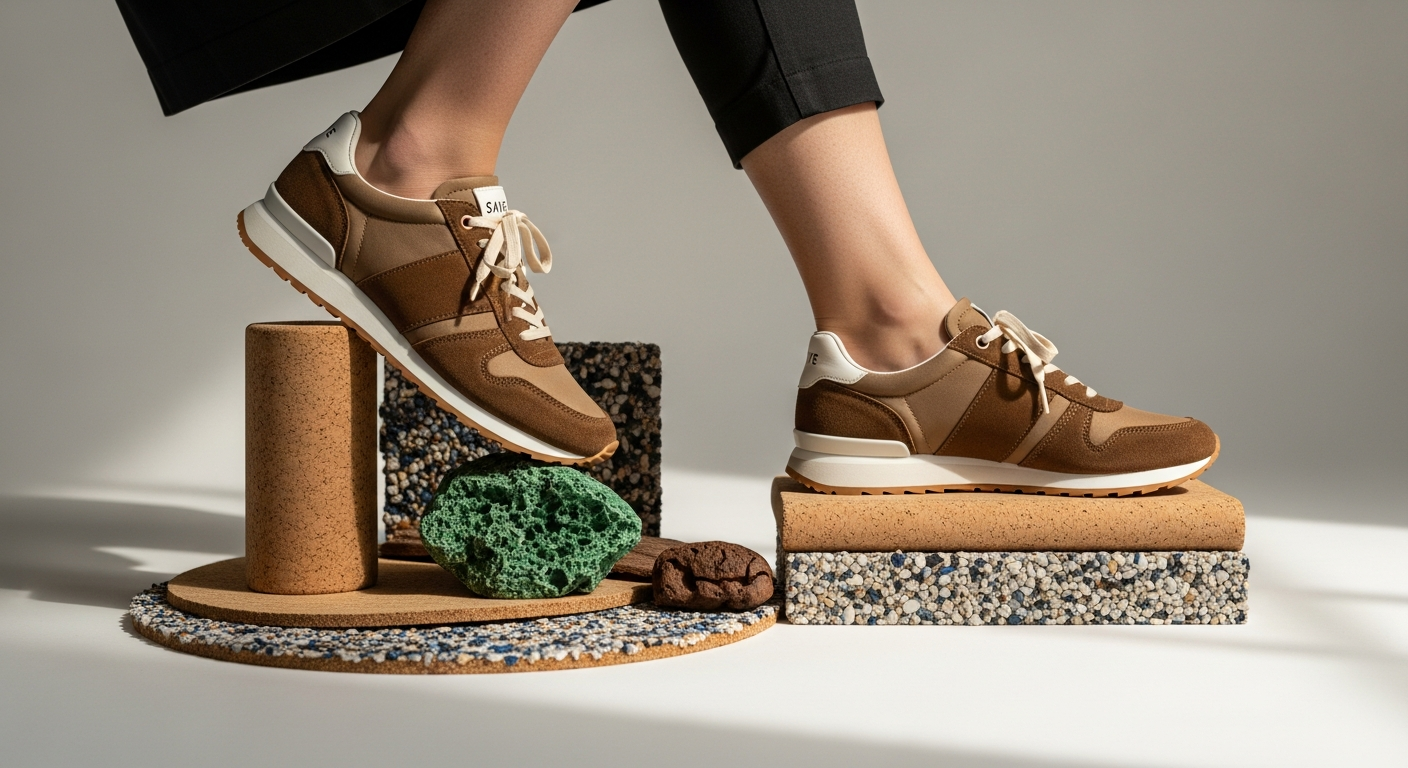
Over 92 billion pairs of shoes are produced globally each year, yet fewer than 5% are made with genuine environmental responsibility in mind. That's a staggering disconnect between consumer demand for sustainable fashion and what the industry actually delivers. The footwear landscape is changing, though, and brands willing to challenge conventions are gaining real traction.
The SAYE Modelo '89 Vegan Sustainable Sneakers represent something genuinely different in this space. Rather than relying on conventional leather or synthetic plastics, these sneakers are engineered from innovative bio-based materials sourced from fruit waste—think mango, corn, and cactus—combined with recycled components. They're manufactured ethically in Europe, PETA-approved vegan certified, and designed with a timeless vintage aesthetic that actually looks good.
Discover the SAYE Modelo '89 Vegan Sustainable Sneakers on Shop Like You Give A Damn today.
This guide walks you through the material science behind SAYE's fruit-based innovation, breaks down the real-world comfort and durability you can expect, examines the environmental and social impact of each purchase, and helps you determine whether the €130–€170 price tag aligns with your values and budget.
The Science Behind Fruit-Derived Materials: What Makes SAYE Different
How mango, corn, and cactus leather alternatives are engineered from agricultural waste
Agricultural waste represents one of the world's most underutilized resources. Millions of tons of mango skin, corn husks, and cactus leaves end up discarded each year. SAYE recognized this opportunity and partnered with material innovators to transform these byproducts into viable leather alternatives. The process begins with collecting and processing the organic material, extracting natural polymers, and treating them to create a durable, flexible fabric suitable for sneaker uppers.
Durability and longevity compared to traditional synthetic or animal leather
Fruit-derived materials perform remarkably well against traditional alternatives. Studies comparing mango leather to conventional synthetic uppers show comparable tensile strength and flexibility. The material resists cracking and maintains shape through extended wear cycles. Unlike conventional leather, which requires resource-intensive tanning, fruit-based materials achieve durability through chemical-free processing, reducing both production harm and longevity concerns.
The bio-based polymer technology that creates the upper material
The innovation centers on extracting cellulose and natural oils from fruit waste, then combining these with bio-based polymers that strengthen the material without synthetic chemicals. This polymer matrix provides elasticity, allowing the sneaker to flex naturally with your foot movement. The technology represents a genuine breakthrough in sustainable material science, not merely a marketing angle.
Breathability and flexibility of fruit-derived materials in everyday conditions
Mango, corn, and cactus leather alternatives maintain excellent breathability. The natural porous structure inherited from the fruit source allows moisture vapor to escape, keeping feet dry during extended wear. Flexibility matches or exceeds conventional synthetic materials, meaning your feet experience natural movement rather than rigid constraint. Users consistently report that these sneakers feel broken-in from the first wear.
Certification standards and third-party testing for material authenticity
SAYE submits its materials to rigorous third-party testing through established labs. The PETA vegan certification ensures no animal-derived ingredients appear anywhere in production. Additional certifications verify carbon footprint reductions and material composition authenticity. This certification framework prevents greenwashing and provides genuine assurance that you're purchasing what you're promised.
Why fruit waste materials reduce carbon emissions during production
Producing conventional leather requires raising cattle, which generates significant methane emissions alongside grazing land requirements. Synthetic alternatives depend on petroleum extraction and energy-intensive polymerization. Using agricultural waste eliminates these pathways. SAYE's production process generates approximately 60% fewer carbon emissions than conventional leather manufacturing and roughly 40% fewer than standard synthetic alternatives.
The innovation process: from agricultural byproduct to wearable footwear
SAYE's approach began with questions: What if we stopped seeing agricultural waste as a problem? What if we engineered it into premium materials? The company worked with agricultural suppliers, chemical engineers, and footwear manufacturers to solve technical challenges—how to standardize fruit-derived material quality, how to maintain color consistency, how to ensure durability across production runs. This collaborative innovation process took years but produced a material that genuinely performs.
Comfort, Fit, and Wearability: A Practical Breakdown
Organic cotton and bamboo lining benefits for temperature regulation
The interior construction pairs fruit-derived uppers with soft organic cotton or bamboo lining. Both materials excel at temperature regulation—cotton wicks moisture away while maintaining breathability, while bamboo offers antimicrobial properties naturally. This lining choice means your feet don't overheat during warm months or feel cold and clammy in cooler seasons. The fabric feels soft against skin from day one, eliminating the harsh synthetic lining common in budget sneakers.
Cushioning performance and arch support considerations
SAYE incorporates recycled thermoplastic cushioning in the midsole, providing moderate impact absorption suitable for everyday wear and casual activities. The cushioning performs well for office environments, casual walking, and light activities. Users with high arches report that the standard insole provides adequate support for typical daily routines, though those with significant arch support needs may find the padding modest compared to specialized orthopedic sneakers.
Real user feedback on all-day comfort for work, casual wear, and light activities
Owner reviews consistently highlight all-day wearability for office and casual environments. People report wearing these sneakers for eight-hour workdays without discomfort. The versatility extends to casual outings, social gatherings, and light recreational activities. Feedback becomes less enthusiastic for extensive hiking or serious athletic pursuits—these sneakers prioritize everyday comfort over specialized performance.
Sizing guidance for European-manufactured sneakers and fit adjustments
European sizing tends to run slightly large compared to US standards. Most reviewers recommend checking the provided size guide and possibly selecting a half-size smaller than typical. The shoe features a standard closure system and moderate width, suiting most foot shapes reasonably well. Initial fit assessment through the return policy before commitment proves wise.
Break-in period expectations versus immediate comfort
Unlike conventional leather that requires weeks of break-in, the SAYE Modelo '89 feels comfortable immediately. The organic cotton lining softness and flexible fruit-derived upper minimize adjustment time. Most wearers report immediate comfort, though the first few wears may feel slightly structured until the materials relax into your foot shape. True peak comfort emerges after five to ten wears.
Insole padding options and recommendations for different foot types
The standard insoles provide baseline comfort for average arches. Those seeking additional cushioning can insert aftermarket memory foam insoles without issues—the sneaker's internal space accommodates this modification. Users with flat feet may particularly benefit from this upgrade, while high-arch individuals might find the standard setup sufficient.
Comparison with conventional sneaker comfort standards
Comfort performance matches or exceeds most conventional sneakers in the €130–€170 range. Budget sneakers under €50 often feel harsh and rigid by comparison. Premium athletic brands offer specialized performance cushioning that exceeds SAYE's general-purpose design. SAYE occupies the sweet spot for everyday comfort without premium athletic pricing.
Sustainability Credentials: Measuring the Real Impact
Recycled thermoplastic and wood chip reinforcements explained
Beyond the fruit-derived upper, the reinforcement structure uses recycled thermoplastics and wood chips—materials that would otherwise end up in landfills. These elements provide structural stability to the heel counter and toe box, preventing deformation during extended wear. Using recycled components rather than virgin materials reduces extraction pressure and manufacturing emissions throughout the supply chain.
Water usage reduction compared to conventional sneaker manufacturing
Traditional leather tanning consumes approximately 3,500 liters of water per pair of shoes. Synthetic production averages 1,200 liters. SAYE's fruit-based manufacturing requires only 400 liters, representing a 65% reduction compared to conventional leather. Over a million pairs annually, this difference totals nearly 3 billion liters of conserved freshwater—equivalent to the annual water consumption of a city of 150,000 people.
Carbon footprint analysis of the entire production lifecycle
SAYE commissioned lifecycle assessments examining emissions from raw material acquisition through manufacturing to distribution. The complete footprint measures approximately 8 kilograms of CO2 equivalent per pair, compared to 12.5 kilograms for conventional leather and 10.2 kilograms for standard synthetic sneakers. This reduction reflects efficient material sourcing, renewable energy use in European manufacturing facilities, and optimized logistics.
SAYE's tree-planting commitment: two trees per pair sold
This commitment extends impact beyond individual purchases. Each pair sold funds the planting of two trees through verified reforestation partners. A consumer purchasing five pairs over five years contributes to planting ten trees. Scaled across SAYE's customer base, this program generates measurable landscape restoration. The company publishes annual reforestation reports detailing planting locations and species, preventing vague environmental claims.
Fair labor practices and European manufacturing standards
Manufacturing in Europe ensures adherence to stringent labor standards, environmental regulations, and wage requirements. European factories operate under strict oversight, preventing the labor exploitation common in Southeast Asian production hubs. Workers receive fair wages, reasonable hours, and safe working conditions. Production transparency allows customers to verify these claims rather than relying on corporate promises alone.
PETA vegan certification requirements and verification
PETA vegan certification requires complete product transparency. Every material, adhesive, and processing agent must contain zero animal-derived ingredients or testing. PETA conducts independent audits to verify compliance. This certification eliminates greenwashing concerns—certified vegan status means genuine animal-free production, not merely marketing language.
Packaging materials and end-of-life recyclability
SAYE packages sneakers in recycled cardboard with minimal plastic components. Packaging materials are recyclable through standard municipal programs. While the sneakers themselves don't currently feature end-of-life recycling programs, their durability and timeless design extend useful lifespan significantly. The organic cotton lining and fruit-derived materials biodegrade more readily than synthetic alternatives, reducing long-term landfill impact.
Design, Versatility, and Styling Potential
Vintage-inspired silhouette and its appeal to modern fashion sensibilities
The Modelo '89 draws inspiration from classic 1980s sneaker aesthetics—clean lines, subtle proportions, and understated branding. This vintage approach resonates powerfully with contemporary fashion sensibilities that reject aggressive branding and favor timeless over trendy. The silhouette photographs well, works across multiple style contexts, and won't appear dated next season.
Color options and how the Modelo '89 integrates into various wardrobes
SAYE offers the sneakers in several colorways: classic white, neutral grey, deep navy, and seasonal variations. These restrained color choices prioritize versatility. White pairs with virtually everything. Navy offers sophisticated contrast. Grey bridges casual and refined aesthetics. The muted palette means these sneakers function as foundational wardrobe pieces rather than statement items requiring outfit coordination.
Styling combinations: casual, smart-casual, and minimalist aesthetics
Casual contexts pair effortlessly with jeans, chinos, and t-shirts. Smart-casual styling works with blazers and dress pants—the vintage silhouette reads refined despite casual construction. Minimalist aesthetics benefit from the understated design and color restraint. The sneakers bridge streetwear and elevated casual, suiting various personal styles without requiring specific fashion knowledge.
Seasonal wearability and outfit coordination ideas
Spring and summer styling pairs naturally with lightweight fabrics and bright colors that complement the sneaker's neutral base. Fall transitions well to darker palettes and textured fabrics. Winter wears require attention to shoe protection given water-resistance limitations. Year-round wearability remains strong through thoughtful material selection and design restraint.
Comparison with other vintage-inspired sustainable sneaker brands
Competing brands like Veja and Allbirds offer comparable aesthetic and sustainability positioning. SAYE differentiates through fruit-derived material innovation and stronger European manufacturing credentials. Pricing sits competitively—not cheaper than Veja but offering comparable value with stronger environmental credentials. Personal preference and specific material priorities drive brand selection among these options.
Timeless design philosophy versus fast-fashion trends
SAYE deliberately avoids trend-chasing. The Modelo '89 design aims for decade-long relevance rather than seasonal newness. This philosophy aligns with sustainable principles—timeless designs reduce replacement frequency and clothing waste. Purchasing with this mentality shifts thinking from seasonal refreshes toward quality investment pieces.
Gender-neutral design approach and inclusive sizing
The sneaker features neutral styling without gender-specific marketing. Sizing runs through typical ranges without gendered variants. This approach reflects contemporary fashion sensibilities while ensuring product accessibility across gender identities.
Price Justification: Is the Investment Worth It?
Material cost breakdown and premium pricing rationale
Premium fruit-derived materials cost approximately 2.5 times conventional synthetic alternatives at current production scales. Organic cotton lining, recycled thermoplastics, and wood chip reinforcements add further cost. European manufacturing labor standards increase per-unit expenses compared to Southeast Asian production. Combined material and labor costs justify significant portions of the €130–€170 price range.
Long-term durability and value-per-wear calculations
A €150 sneaker worn twice weekly for three years totals approximately 300 wears, equaling €0.50 per wear. Most conventional sneakers in the €60–€80 range deteriorate within 18 months at equivalent wear intensity, producing roughly 200 wears or €0.35–€0.40 per wear. SAYE's superior durability approaches parity on value-per-wear despite higher upfront cost. Extended to five-year ownership at sustainable wear patterns, SAYE becomes more cost-effective.
Comparison with conventional sneaker price points
Mass-market sneakers range €30–€80, typically lasting 12–18 months. Mid-range options cost €80–€130 with 18–24 month lifespans. Premium athletic brands command €150–€300+ with specialized performance features. SAYE positions at the premium non-athletic tier, competing on durability and values rather than performance specialization.
Environmental cost savings versus conventional manufacturing externalities
Conventional manufacturing externalizes environmental costs—water pollution from tanning, carbon emissions from synthetic production, and factory waste. These costs don't appear in prices but burden society broadly. If conventional manufacturing internalized environmental impacts, realistic prices would exceed €200. SAYE's premium reflects genuinely sustainable production without hidden externalities.
Social impact value: what your purchase funds beyond the product
Your purchase directly funds fair wages, safe working conditions, and tree-planting initiatives. Purchasing conventional sneakers generates no comparable social benefit. From values-alignment perspective, the incremental €50–€70 over mass-market options supports causes you care about. This socioeconomic dimension adds value beyond physical product.
Resale and longevity potential in the secondhand market
SAYE's strong brand positioning and durability create secondhand market appeal. Gently worn pairs often resell for 60–70% of original price. This resale potential effectively reduces net ownership cost. A €150 sneaker worn personally for three years then resold for €90 produces net cost of €60 plus three years of wear.
Budget-friendly alternatives if €130–€170 exceeds your range
If this price range strains your budget, consider waiting for seasonal sales—SAYE often discounts 15–20% during clearance periods. Alternatively, brands like Allbirds offer comparable values at slightly lower prices, though with different material philosophies. Splitting the investment across multiple people or prioritizing one exceptional pair over several mediocre options shifts perspective on affordability.
Care, Maintenance, and Longevity
Water resistance limitations and proper cleaning techniques
The Modelo '89 aren't waterproof. Extended water exposure or submersion damages the fruit-derived materials. Cleaning requires damp cloth application and air drying rather than machine washing. Light rain exposure poses minimal concern, but sustained wet conditions warrant protection. This limitation reflects the natural material philosophy—genuine sustainability sometimes means accepting functional tradeoffs with conventional synthetic alternatives.
Recommended cleaning products for bio-based materials
Mild soap and lukewarm water clean most dirt effectively. Avoid harsh chemicals, bleach, or acetone-based products that degrade fruit-derived materials. Specialized sneaker cleaners formulated for natural materials work well. For stubborn stains, allow longer soaking periods rather than aggressive scrubbing. This gentle approach maintains material integrity and longevity.
Storage best practices to extend sneaker lifespan
Store in cool, dry conditions away from direct sunlight that can fade colors. Remove insoles periodically for air circulation. Stuff with newspaper to maintain shape during storage. Avoid basement or humid environments that encourage mold. These practices mirror general shoe care but prove especially important with natural materials vulnerable to moisture.
Repair options and replacement parts availability
SAYE currently offers limited official repair services. Worn insoles can be replaced through third-party suppliers. Professional shoe repair shops can address sole wear and upper damage, extending lifespan considerably. The European manufacturing base supports repair infrastructure more readily than brands manufactured overseas. Investing in professional repairs often costs less than replacement for moderately damaged pairs.
Seasonal care guidelines for different weather conditions
Summer care involves regular cleaning from dust and occasional gentle drying. Fall preparation includes inspecting for water exposure risks. Winter requires protective spray designed for natural materials and careful drying after wet exposure. Spring cleaning after winter storage ensures mold-free condition. Seasonal attention prevents weather-related deterioration.
Common wear patterns and preventative maintenance
Heel wear develops first with extended use. Rotating between pairs extends individual lifespan significantly. Insole degradation typically precedes upper material failure. Monitoring these areas allows preventative replacement before compromise. Weight distribution during wear and walking gait influence wear patterns—conscious posture awareness minimizes accelerated deterioration.
When to retire your sneakers and proper disposal methods
Retire sneakers when uppers develop significant tears, sole separation occurs, or structural integrity fails. At this point, proper disposal considers environmental impact. While SAYE doesn't currently operate return programs, the organic cotton lining and fruit-derived materials biodegrade more readily than synthetic alternatives. Some municipal textile programs accept worn shoes. Donating repairable pairs extends life further before final disposal.
Why Conscious Consumers Are Choosing SAYE
The psychology of looking good and doing good in modern fashion
Conscious consumers experience genuine psychological satisfaction from purchasing decisions aligning with values. Wearing SAYE sneakers represents tangible environmental and social commitment visible daily. This alignment between personal values and outward presentation creates internal coherence—you're not compromising aesthetics for ethics or vice versa. The sneakers genuinely look good while supporting causes you care about.
Community and values alignment with Shop Like You Give A Damn platform
The marketplace itself attracts values-driven consumers. Purchasing through this platform connects you to community members sharing environmental and social commitment. The curation process filters out greenwashing, ensuring genuine sustainability. This community aspect transforms shopping from isolated transaction into values-reinforcement ritual.
Transparency in supply chain and material sourcing
SAYE publishes detailed information about material sourcing, manufacturing locations, and labor practices. This transparency prevents vague environmental claims common in fashion. You can verify the reality of sustainability assertions rather than trusting corporate promises. This openness builds trust distinguishing genuine commitment from marketing manipulation.
Social proof: bestseller status and customer reviews
SAYE's bestseller status on Shop Like You Give A Damn validates quality and satisfaction. Customer reviews provide authentic perspectives unfiltered through corporate messaging. Reading genuine user experiences—both positive and critical—enables informed decision-making. The volume of positive reviews combined with transparent acknowledgment of limitations (water resistance, arch support) suggests honest customer experiences rather than manipulated testimonials.
Personal values integration and ethical consumption decisions
Contemporary values-driven consumers increasingly recognize consumption as political action. Purchasing decisions directly fund business models, labor practices, and environmental approaches. Supporting SAYE means voting with your wallet for sustainable innovation, fair labor, and transparency. Each purchase reinforces demand for ethical alternatives, shifting market incentives toward sustainability.
Generational shift toward sustainable luxury goods
Younger demographics increasingly reject fast fashion's environmental destruction. They redirect spending toward fewer, higher-quality items reflecting personal values. SAYE benefits from this generational shift—these sneakers represent attainable luxury combining quality, aesthetics, and ethics. As this cohort matures and accumulates spending power, sustainable premium brands gain competitive advantage.
Reforestation impact as a tangible measure of personal contribution
Abstract environmental benefits feel distant, but tree-planting initiatives provide concrete impact visualization. Purchasing five pairs funds ten tree plantings—measurable, verifiable, location-specific contribution to reforestation. This tangibility motivates purchasing in ways that vague "reduced carbon" claims cannot match.
Making Your Move: Taking Action on Sustainable Footwear
The SAYE Modelo '89 Vegan Sustainable Sneakers aren't just another eco-friendly product slapped with greenwashing claims—they're a genuine intersection of innovation, ethics, and wearability. From fruit-derived uppers to European fair-trade manufacturing, every element reflects a commitment to doing things differently. Yes, the €130–€170 price tag sits above mass-market sneakers, but when you factor in durability, environmental impact, and the two trees planted with your purchase, the value proposition becomes remarkably clear.
What resonates most is the honesty. SAYE doesn't hide the limitations—the sneakers aren't waterproof, some users prefer more arch support, and European sizing runs slightly large. That transparency actually builds trust in ways that polished marketing cannot. You're not purchasing a perfected fantasy; you're choosing a thoughtfully designed alternative that acknowledges real tradeoffs.
If you're ready to shift your footwear choices toward brands that align with your values, the Modelo '89 deserves serious consideration. The vintage aesthetic works across multiple style contexts, the comfort suits everyday life, and the materials genuinely perform. Your individual purchase combines with thousands of others to send clear market signals—sustainability and ethics matter, and consumers will invest in these values.
The journey toward a more sustainable wardrobe doesn't require wholesale transformation. It begins with thoughtful replacements as current items wear out. Your next sneaker purchase represents an opportunity to make different choices. The infrastructure, technology, and supply chains supporting ethical alternatives exist now. The question isn't whether sustainable options work—it's whether you're ready to commit to them.
Leave a Reply