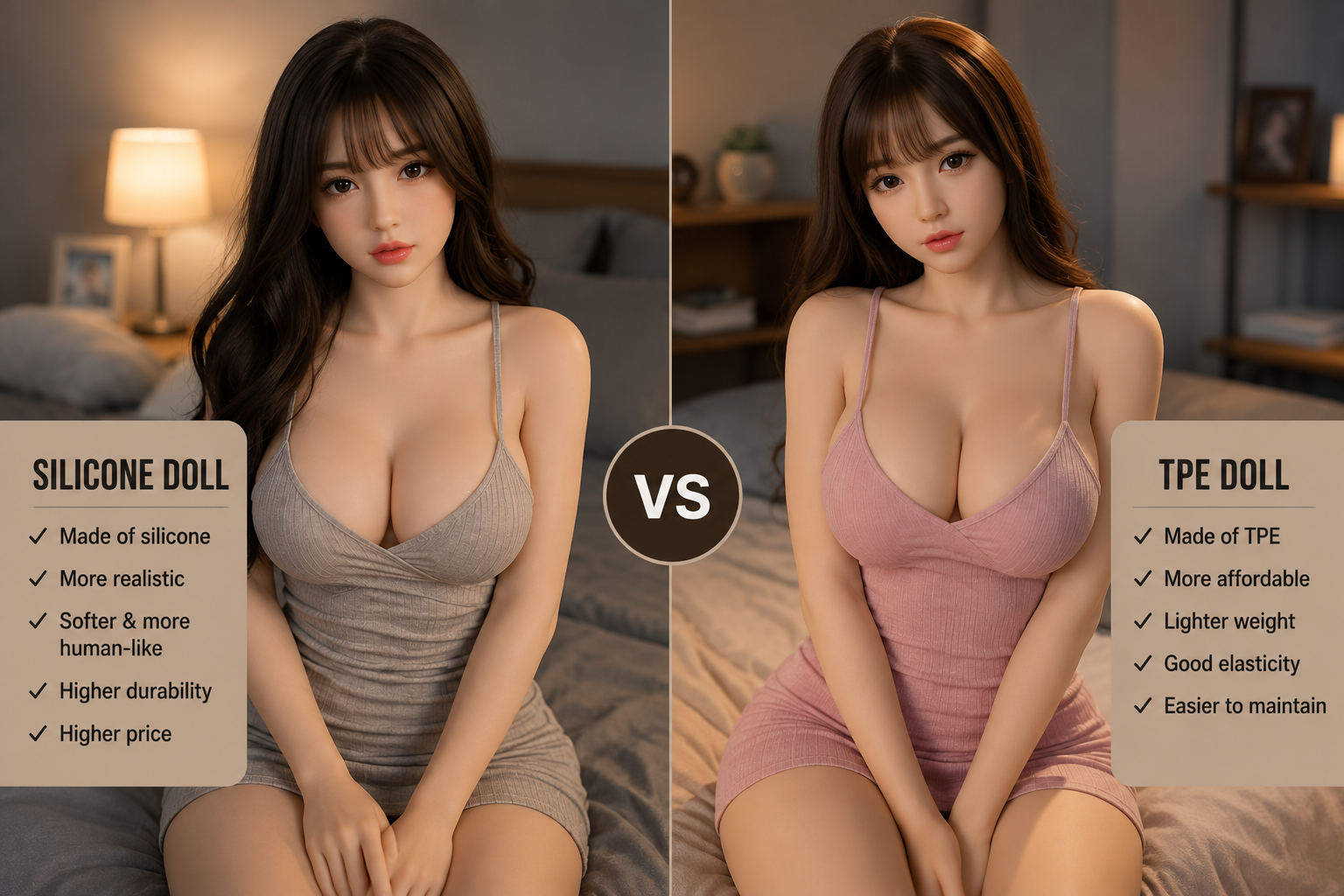
Choosing between different doll materials can feel overwhelming, especially if this is your first purchase. Understanding the differences between silicone doll vs TPE doll options can help you spend your money wisely and avoid disappointment later.
While both materials are widely used for realistic dolls, they differ in texture, durability, maintenance requirements, weight, and overall cost. Your preferred appearance, budget, and maintenance routine may all influence which material makes the most sense.
Taking time to compare the strengths and limitations of each option allows you to make a decision based on facts instead of assumptions.
Silicone Doll vs TPE Doll: Understanding the Main Differences
Both silicone dolls and TPE dolls are designed to provide a lifelike appearance, yet they use very different materials.
Silicone is a synthetic elastomer commonly used in medical products, prosthetics, and specialty consumer goods because of its stability and durability.
TPE, or thermoplastic elastomer, combines plastic and rubber properties to create a softer and more flexible material.
Although both materials can produce realistic results, each comes with advantages and trade-offs.
Quick Comparison
| Feature | Silicone Dolls | TPE Dolls |
|---|---|---|
| Texture | Firm yet skin-like | Softer and more flexible |
| Weight | Heavier | Lighter |
| Durability | Higher with proper care | Good but more prone to surface damage |
| Cleaning | Easier | Requires extra attention |
| Heat Resistance | Better | Lower |
| Price | Typically higher | Usually lower |
Material Feel and Realism
One of the first things buyers notice is how each material feels.
Silicone provides a slightly firmer surface while maintaining a realistic skin texture. Many collectors appreciate its detailed sculpting because silicone captures fine facial features, fingers, and body contours very well.
TPE feels softer and has greater flexibility. Some buyers prefer this texture because it compresses more easily under pressure.
Neither material is objectively better. Your preference depends on which characteristics matter most.
Durability and Long-Term Performance
Durability often becomes one of the biggest deciding factors.
Silicone generally offers:
- Better tear resistance
- Greater resistance to high temperatures
- Lower risk of permanent deformation
- Better stain resistance
- Longer service life with proper care
TPE generally offers:
- Good flexibility
- Softer movement
- Lower purchase cost
- Easier manufacturing for various body styles
At the same time, TPE can become damaged more easily if handled roughly or stored improperly.
Cleaning and Maintenance
Maintenance routines differ between the two materials.
Silicone Doll Care
Silicone surfaces are generally easier to clean because they are less porous.
Routine care usually includes:
- Warm water
- Mild soap
- Soft microfiber cloth
- Thorough drying
- Silicone-compatible renewal powder when recommended by the manufacturer
TPE Doll Maintenance
Proper TPE doll maintenance often requires additional attention.
Owners commonly:
- Clean after use
- Dry completely
- Apply renewal powder regularly
- Keep the doll away from excessive heat
- Store it in a clean, dry location
Because TPE is more porous than silicone, regular cleaning helps maintain its appearance over time.
Weight and Handling
Weight affects both storage and everyday handling.
Silicone dolls are noticeably heavier due to the density of the material. Larger models may require two hands when moving or repositioning them.
TPE dolls are generally lighter, making them easier to lift, carry, and reposition for photography or display.
If portability matters, this difference deserves consideration.
Price Comparison
Budget plays an important role for many buyers.
In general:
| Material | Typical Starting Price* |
|---|---|
| TPE Dolls | Around $700–$1,500 USD |
| Silicone Dolls | Around $1,500–$3,500+ USD |
*Prices vary depending on manufacturer, body size, customization, accessories, and shipping costs.
Premium brands, including Tantaly, often offer silicone models with extensive customization options, which may increase the final purchase price.
Which Material Fits Different Buyers?
A silicone doll may be a good fit if you:
- Want greater durability
- Prefer easier cleaning
- Value highly detailed sculpting
- Plan to keep the doll for many years
A TPE doll may suit you if you:
- Have a smaller budget
- Prefer a softer feel
- Want a lighter model
- Are comfortable with a more involved maintenance routine
Choosing the right material depends on balancing cost, maintenance, appearance, and personal preferences.
Common Questions Before Buying
Many first-time buyers compare materials before focusing on a specific brand or model. Asking the right questions early can make the selection process much easier.
Which Material Lasts Longer?
Silicone generally has an advantage when it comes to long-term durability. It resists tearing, staining, and heat better than TPE when maintained according to the manufacturer’s recommendations.
TPE remains durable for many users, although it may show wear sooner if it is not cleaned, powdered, or stored properly.
Which Material Feels More Realistic?
Personal preference plays a large role.
Some buyers enjoy the softer, more flexible feel of TPE. Others prefer silicone because it maintains detailed sculpting and has a firmer, skin-like texture.
Reading product reviews and checking official product specifications may help you decide which material better matches your expectations.
Which Material Is Easier to Maintain?
Silicone generally requires less day-to-day maintenance because its surface is less porous.
TPE typically needs more frequent cleaning and powdering to maintain its texture and appearance.
If simple maintenance is one of your priorities, silicone may be the more convenient option.
Buying Tips Before Making Your Decision
Before placing an order, compare more than the material alone.
Look closely at:
- Overall body dimensions
- Weight
- Internal skeleton quality
- Customization options
- Warranty or return policy
- Shipping costs
- Manufacturer reputation
- Available customer support
A detailed product description often provides valuable information that may not appear in promotional photos.
If you are comparing premium silicone brands, companies such as Tantaly provide detailed specifications for many of their models, making it easier to review measurements, customization options, and included accessories before purchasing.
Silicone vs TPE at a Glance
| Category | Silicone | TPE |
|---|---|---|
| Surface Feel | Slightly firmer | Softer and more flexible |
| Fine Details | Excellent | Very good |
| Cleaning | Easier | Requires more frequent care |
| Durability | Higher | Moderate to high |
| Heat Resistance | Better | Lower |
| Weight | Heavier | Lighter |
| Maintenance | Lower | Higher |
| Typical Price | Higher | Lower |
This side-by-side comparison provides a quick overview, though your final choice should reflect your budget, maintenance preferences, and intended use.
Frequently Asked Questions
Is silicone better than TPE?
Neither material is universally better. Silicone generally offers greater durability and easier maintenance, while TPE is often softer and more affordable.
Why do silicone dolls usually cost more?
Silicone is typically more expensive to manufacture and process. Full silicone construction also requires additional production time and detailed finishing, contributing to a higher retail price.
Which material is better for beginners?
Many first-time buyers choose TPE because of its lower cost. Others prefer silicone to reduce maintenance and potentially extend the product’s lifespan. The better option depends on your priorities.
Can both materials be customized?
Yes. Many manufacturers offer customization options such as facial features, wigs, eye color, body proportions, skin tone, and makeup styles for both silicone and TPE models.
Do silicone and TPE require different cleaning products?
Both materials should be cleaned with products recommended by the manufacturer. Mild soap and warm water are commonly suggested, while harsh chemicals and abrasive cleaners should generally be avoided.
Final Thoughts
Comparing silicone doll vs TPE doll materials comes down to balancing durability, maintenance, texture, weight, and budget. Silicone often appeals to buyers looking for easier cleaning and long-term durability, while TPE remains a popular choice for its softer feel and lower starting cost.
Reviewing product specifications, maintenance requirements, and customization options before purchasing can help you choose a model that aligns with your expectations. Taking a little extra time to compare materials today may lead to a more satisfying ownership experience in the years ahead.
Leave a Reply