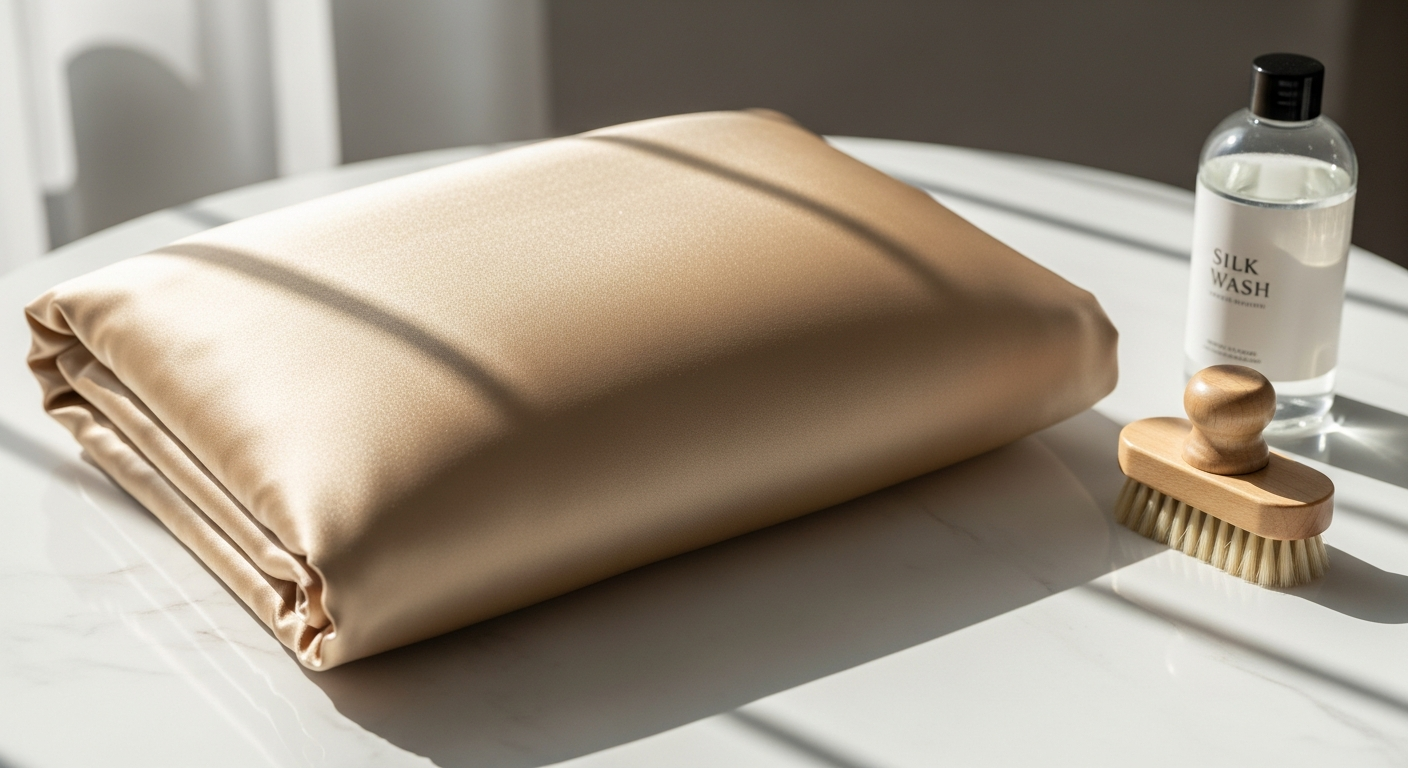
Waking up with hair that looks like you've been electrocuted or finding new sleep creases on your face gets old fast. Your skin and hair deserve better, and that's precisely why the Silksilky 100% Mulberry Silk Pillowcase has become a best-selling favorite for people serious about their beauty sleep. This premium product isn't just about comfort—it's about tangible results that show up in your mirror and feel incredible against your face each night.
Here's the reality: silk costs more than cotton for good reason, and studies demonstrate that proper care can extend the lifespan of silk products by up to 50%. Yet most people treat their luxury pillowcases like everyday linens, unwittingly destroying the very qualities that made them worth buying. The luxurious feel and anti-aging properties that make the Silksilky pillowcase special depend entirely on how you maintain it.
Unlike cotton, silk is delicate and demands specific care protocols to maintain its integrity. This guide covers everything you need to know to keep your Silksilky pillowcase looking and feeling brand-new, from correct washing methods and drying techniques to storage strategies and troubleshooting solutions for common issues.
Understanding Your Silksilky Pillowcase Before You Wash It
Momme weight matters for care
The momme count of your pillowcase directly affects how you should handle it during cleaning. The 19 momme option serves as an entry point with lighter, more delicate fibers that require gentler treatment. The 22 momme option balances durability with a premium feel and can handle slightly more regular washing. The 30 momme version, the heaviest and most luxurious, offers greater resilience but still demands respectful care. Knowing which weight you own helps determine washing frequency and technique intensity.
6A grade mulberry silk requires gentle handling
Premium 6A grade silk means your pillowcase contains some of the finest fibers available. These superior fibers are smoother and stronger than lower grades, but they're also more sensitive to harsh chemicals and rough handling. This quality is what gives the pillowcase its buttery texture and delivers those remarkable hair and skin benefits. Respecting this material means choosing gentleness over convenience every single time.
Closure types affect washing methods
Your pillowcase features either an envelope closure or a hidden zipper design, and each requires slightly different care approaches. Envelope closures allow for easier opening but need careful handling around the overlap area. Hidden zipper designs keep your pillow securely tucked in place but demand attention to the zipper mechanism during washing to prevent snagging or jamming.
Color variations respond differently to water and detergent
Silksilky offers a stunning array of colors—beige, champagne, dark blue, pale mauve, silver, white, black, dark gray, pink, and teal. Lighter shades like champagne and pale mauve are particularly vulnerable to yellowing and discoloration from certain products and minerals in water. Darker colors like black and dark blue can fade if exposed to excessive heat or harsh detergents. Your color choice influences which water temperature and detergent strength work best.
Recognizing fabric vulnerabilities
Before introducing water and soap, understand what can damage silk. Friction weakens fibers, chlorine bleaches delicate material, and excessive heat causes shrinkage. Products containing benzoyl peroxide or retinol can bleach light-colored silk, creating permanent stains. Recognizing these vulnerabilities before problems occur allows you to prevent damage rather than scramble to fix it.
Size considerations for washing
Standard, queen, and king sizes require appropriate water volume and handling space. Larger pillowcases need enough water to fully submerge without bunching, while smaller ones can become overly saturated if you don't adjust water proportions. Your washing space should accommodate gentle movement without crowding or excessive manipulation.
The Correct Way to Hand Wash Your Silk Pillowcase
pH-neutral detergent is non-negotiable
Regular laundry detergent strips silk of its natural oils and damages delicate fibers. pH-neutral detergents specifically formulated for silk or wool maintain the fabric's integrity. Brands designed for delicate fabrics, specialized silk shampoos, or even gentle baby shampoo work effectively. These products clean without compromising the material's structure or natural sheen.
Water temperature guidelines
Cool to lukewarm water prevents color fading and fiber damage. Hot water can cause shrinkage and opens the cuticle layer of silk fibers, making them more vulnerable to damage. Aim for water around 75-86 degrees Fahrenheit. This temperature range is warm enough to activate the detergent but cool enough to protect your precious pillowcase.
Gentle agitation techniques
Fill your sink or basin with cool water and pH-neutral detergent, then submerge your pillowcase completely. Rather than rubbing or scrubbing, gently squeeze the soapy water through the fabric. This motion removes oils and dirt without creating friction that weakens the material. Think of it as encouraging the solution through the silk rather than forcing dirt out through pressure.
Soaking duration
Let your pillowcase soak for 5-10 minutes. This timeframe allows the detergent to lift oils and surface dirt without over-saturating delicate fibers. Extended soaking can weaken silk, so set a timer and stick to it. Consistency in timing prevents both under-cleaning and damage from prolonged exposure to water.
Rinsing thoroughly
Multiple rinses eliminate detergent residue that can dull the silk's natural sheen and leave a filmy coating. Drain the soapy water, refill with cool water, and gently squeeze clean water through the pillowcase. Repeat this process 2-3 times until the water runs clear. Residual detergent is one of the main culprits behind silk that loses its lustrous appearance.
Squeezing versus wringing
Never wring your wet pillowcase—wringing twists fibers and can cause permanent damage. Instead, gently squeeze out excess water using soft pressure. You can also roll the pillowcase in a clean, dry towel and press down to remove moisture without the damaging motion of wringing.
Spot-treating stains before full washing
For visible stains, pre-treat before full washing. Mix a small amount of pH-neutral detergent with cool water to create a paste. Apply it to the stain and let it sit for 5 minutes. Gently work the mixture into the fabric using your fingers, then proceed with regular washing. Pre-treatment prevents you from spreading stains and allows targeted cleaning for stubborn marks.
Machine Washing Your Pillowcase Safely
Delicate or silk cycle settings
If you prefer machine washing, use only the delicate or silk cycle on your washing machine. These settings reduce agitation speed and duration, protecting fibers from the friction that causes damage and pilling. The gentler mechanical action mimics hand washing without the guesswork.
Water temperature for machine washing
Keep machine water at cool to lukewarm temperatures—no higher than 86 degrees Fahrenheit. Check your machine's settings beforehand to ensure you're selecting cold or warm rather than hot. Temperature control remains essential even when using mechanical washing.
Mesh laundry bags
Place your pillowcase inside a mesh laundry bag before machine washing. This protective barrier minimizes direct agitation and prevents tangling with other items. The mesh allows water and detergent to flow through while reducing the friction your pillowcase experiences during the wash cycle.
Detergent quantity adjustments
Use less pH-neutral detergent in machine washing than hand washing. The machine's agitation distributes soap more effectively, so you need roughly half the amount you'd use for hand washing. Too much detergent leaves residue that dulls appearance and can require additional rinse cycles.
Avoiding fabric softeners and bleach
Never use fabric softeners or bleach on silk. Fabric softeners coat fibers and interfere with silk's natural moisture-wicking properties. Bleach destroys the protein structure of silk and causes yellowing or permanent discoloration. These common laundry additives are among the fastest ways to ruin your pillowcase.
Benzoyl peroxide and retinol warnings
If you use acne treatments containing benzoyl peroxide or anti-aging products with retinol, be aware these can bleach light-colored silk. Apply these products well before bed, or use a barrier (like a cotton sleep cap) to prevent direct contact. Some users prefer washing their pillowcases immediately after using these treatments to minimize staining risk.
Frequency considerations
Weekly machine washing can shorten the lifespan of pillowcases, particularly the 19 momme weight. If you machine wash regularly, consider rotating between multiple pillowcases to reduce frequency per item. Hand washing allows for more frequent use without accelerated wear.
Load size matters
Wash your pillowcase alone or with minimal items to prevent friction damage. A full wash load creates too much movement and contact between fabrics. Dedicating individual wash cycles to your silk pillowcase seems extravagant, but it's genuinely the best way to preserve its condition.
Drying Your Silk Pillowcase Without Causing Damage
Air drying is the gold standard
Tumble drying is completely off-limits for silk pillowcases. The heat and mechanical rotation of a dryer causes shrinkage, fiber damage, and loss of the natural sheen that makes silk luxurious. Air drying takes longer but preserves everything that makes your investment worthwhile.
Flat drying method
Lay your pillowcase on a clean, dry towel to dry completely. This method prevents stretching that occurs when wet fabric hangs under its own weight. Place the towel on a flat surface away from direct heat sources. This approach works best for heavier momme weights that might stretch if hung while wet.
Hanging to dry safely
If you prefer hanging your pillowcase, use gentle clips or a clothesline away from direct sunlight. Distribute weight evenly across multiple clips rather than hanging from one point. This reduces the stress on fibers and prevents the stretching that occurs with a single hanging point.
Avoiding direct heat sources
Keep pillowcases away from radiators, heaters, and sunny windowsills. Direct heat accelerates moisture evaporation, which can cause fiber brittleness. UV exposure from sunlight fades colors, particularly darker shades like black and dark blue. Choose a shaded, well-ventilated drying location.
Moisture management
Ensure adequate air circulation without excessive heat. A fan can help speed drying without generating the intense heat of a dryer. Humidity affects drying speed significantly—humid environments slow the process, while dry conditions speed it up. Don't rush drying with artificial heat, even if it takes an extra day.
Drying timeline expectations
Different momme weights dry at varying speeds. The lighter 19 momme pillowcases typically dry in 4-6 hours, while 22 momme takes 6-8 hours, and the heavier 30 momme can require 8-12 hours or overnight. Climate, humidity, and air circulation all influence these timelines. Planning ahead prevents the temptation to speed-dry using heat.
Preventing creases during drying
Position your pillowcase smoothly on the drying surface to minimize creasing. If drying on a towel, straighten any folds before leaving it to dry. If hanging, ensure even tension across the entire width. These positioning techniques maintain that smooth, wrinkle-free appearance.
Humidity considerations
If you live in a humid climate, drying takes longer. Consider drying near a window (but not in direct sunlight) or in a room with air conditioning to help moisture evaporate. In very humid conditions, a fan becomes essential for adequate air circulation.
Storage Strategies That Preserve Silk Quality
Clean storage environment
Store your pillowcase in a clean, dry space away from dust, moisture, and pests. Dust settles on fabric and requires additional washing. Moisture promotes mold and mildew growth, which creates permanent stains and odors. Pests can damage fibers, so avoid storage near areas with known pest issues.
Breathable storage containers
Use cotton bags or linen boxes instead of plastic containers that trap moisture and create an environment where mold thrives. Breathable materials allow air circulation while protecting from dust. Avoid plastic bins, vacuum storage bags, and airtight containers regardless of how organized they seem.
Folding versus rolling
Rolling your pillowcase creates fewer permanent creases than folding. However, if you must fold, do so loosely and refold periodically to prevent crease lines from setting permanently. Both methods work better than hanging for long-term storage, which can cause stretching over time.
Layering with acid-free tissue
If storing multiple pillowcases together, separate them with acid-free tissue paper. This prevents color transfer between items and protects against dye bleeding. Acid-free tissue won't yellow or damage the silk over time, unlike regular paper that contains acids harmful to delicate fabrics.
Temperature and humidity control
Maintain stable storage conditions with moderate temperature and humidity levels. Fluctuating conditions cause fiber stress and can lead to brittleness or mildew growth. A consistent environment between 60-75 degrees Fahrenheit with 40-50% humidity is ideal.
Keeping away from direct light
UV exposure from sunlight fades colors over time, especially darker shades. Store pillowcases in a closet or drawer rather than on open shelves near windows. Even indirect sunlight causes gradual fading, so prioritize dark storage spaces.
Separation from other materials
Store your silk pillowcases separately from rough materials like denim or wool. Friction between dissimilar fabrics causes pilling and snagging. If space is limited, place silk items on top where they won't experience friction from heavier materials below.
Seasonal storage adjustments
When storing pillowcases between seasons, ensure they're clean and completely dry before putting them away. Any residual moisture creates an ideal environment for mold. In winter storage, verify your storage space maintains adequate temperature to prevent mildew growth in damp climates.
Addressing Common Stains and Discoloration Issues
Identifying stain types
Distinguishing between stain types helps you choose the most effective removal method. Oil-based stains (from skincare products, makeup, or hair oils) respond to gentle detergent application. Protein-based stains (from blood or biological material) benefit from cool water and mild enzymatic cleaners. Dye stains require different approaches than organic residues.
Immediate action protocols
Quick response prevents permanent damage. Blot wet stains immediately with a clean, dry cloth rather than rubbing. For dried stains, resist the urge to scrub. Instead, pre-treat gently and allow time for the solution to work before washing.
Gentle stain removal solutions
White vinegar diluted with water works for many stains—use one part vinegar to three parts water. Mild soap solutions designed for silk fabrics provide another option. Specialized silk cleaners specifically formulated for delicate fabrics offer a third path. Apply any solution gently and allow it to sit briefly before rinsing thoroughly.
Avoiding harsh scrubbing
Rubbing damages fibers and spreads stains further into the fabric. Even gentle circular motions can cause harm. Instead, apply the cleaning solution and let it work while you gently dab or press the stain with a clean cloth. Patience beats aggression with silk.
Treating yellowing and discoloration
Yellowing often results from product buildup, exposure to heat, or mineral deposits from water. Prevent it by ensuring thorough rinsing during washing and avoiding heat during storage and drying. For existing yellowing, gentle soaking in a solution of white vinegar and water sometimes helps—use one part vinegar to ten parts water and soak for 15-20 minutes.
Wine, blood, and organic stains
Wine stains should be blotted immediately and treated with cool water before any soap application. Blood stains also require cool water, never hot. Salt can help absorb fresh wine or blood before they set. Once dried, these organic stains become significantly harder to remove.
Makeup and skincare product stains
Makeup and skincare residue are common nighttime companions. Gentle detergent solutions work effectively for these stains. Pre-treat by applying diluted pH-neutral detergent directly to the stain and letting it sit for 5-10 minutes before washing. Heavy makeup users might consider using a silk sleep cap to minimize direct contact.
When to seek professional cleaning
Recognize situations that exceed DIY capabilities. Persistent stains after multiple washing attempts, widespread discoloration, or stains that have set for months often require professional dry cleaning expertise. While professional cleaning costs more initially, it can save a pillowcase that might otherwise be discarded. Professional cleaners have access to specialized equipment and solvents unavailable to consumers.
Preventing Pilling, Snagging, and Fiber Breakdown
What causes pilling on silk
Pilling occurs when short fibers on the fabric surface break and roll into tiny balls. This happens due to friction during washing, rough handling, or contact with abrasive materials. Lower momme weights pill more readily than higher weights because the thinner fibers are more prone to breaking. Quality variations between manufacturers also influence pilling tendency.
Gentle handling during sleep
Your sleeping position and nighttime habits matter more than you might think. Rough movements, thrashing, or sleeping with your face intensely pressed into the pillowcase creates friction that weakens fibers over time. More relaxed sleeping positions and gentle, intentional movements during the night reduce this stress.
Avoiding sharp objects and jewelry
Rings, watches, and rough patches of skin can snag silk fibers. Remove jewelry before bed and address rough skin with moisturizer. Even small snags can run if not addressed immediately, spreading damage across the pillowcase. Prevention through awareness is far easier than repair.
Brushing and de-pilling techniques
If pilling occurs, use a soft-bristled brush or a fabric depiller designed for delicate materials. Gently brush affected areas using light pressure and slow strokes. For stubborn pills, specialized fabric epilators remove them without damaging underlying fibers. Never use razors or aggressive tools that might cut the fabric.
Reducing friction with other bedding
Pair your silk pillowcase with sheets and covers made from compatible materials. Silk sheets naturally work well with your silk pillowcase. High-thread-count cotton or percale sheets also work without excessive friction. Rough or low-quality sheet materials accelerate both pilling and snagging.
Quality differences between momme weights
The 30 momme pillowcase resists pilling significantly better than the 19 momme version. The heavier, denser fibers are less prone to breaking and rolling. If you're a restless sleeper or have concerns about durability, the higher momme weight investment pays dividends through reduced maintenance and extended lifespan.
Recognizing normal wear versus damage
After months of regular use, some subtle changes are normal. Slight softening of the silk surface doesn't indicate damage. However, widespread pilling, multiple snags, or obvious fiber deterioration suggests either aggressive handling or potentially a quality issue. Compare your pillowcase's condition against product photos to assess whether changes reflect normal wear.
Reinforcing seams and closures
High-stress areas like seams and closures experience more wear than the main fabric surface. Inspect these areas regularly for early signs of deterioration. If you notice loosening threads or seams beginning to separate, consider hand stitching reinforcements before damage spreads. This preventive maintenance can extend your pillowcase's lifespan significantly.
Maintaining the Luxurious Feel and Appearance Over Time
Restoring sheen after washing
Silk naturally regains its luster as it dries properly. If your pillowcase seems dull immediately after washing, don't panic—allow it time to dry completely. The natural sheen returns without any additional products or treatments. This is one advantage of silk over synthetic alternatives that require conditioning or polish to maintain appearance.
Ironing safely when necessary
While proper drying prevents most wrinkles, occasional ironing might become necessary. Use a low-heat setting (around 240-260 degrees Fahrenheit) and place a protective cloth between the iron and silk. Never apply the iron directly to silk fibers. A pressing cloth made from cotton works perfectly as a barrier.
Avoiding product buildup
Residue from detergents, fabric softeners, or conditioners dulls the fabric's natural beauty. This buildup accumulates with each wash, gradually diminishing that luxurious sheen. Thorough rinsing after every wash and avoiding unnecessary additives prevents this degradation. Simple care with the right products maintains appearance far better than trying to restore it later.
Seasonal refresh techniques
Between uses, gently refresh your pillowcase with simple airing. Lay it flat in a well-ventilated area away from direct sunlight for a few hours. This removes any odors accumulated during storage and revitalizes the fabric without requiring washing. This technique works particularly well if you rotate between multiple pillowcases.
Color maintenance for different shades
Champagne and pale mauve shades need protection from anything that might cause yellowing—heat, certain products, and prolonged storage in less-than-ideal conditions. Dark blue and black require shade during drying and storage to prevent fading. Understanding your specific color's vulnerabilities allows targeted protection.
Preserving softness
The buttery texture that makes silk so desirable persists when you use proper washing methods. Each aggressive wash or exposure to harsh chemicals strips some of the natural oils that create this softness. Hand washing with pH-neutral detergent, gentle drying, and appropriate storage all contribute to maintained softness that lasts for years.
Comparing 19, 22, and 30 momme longevity
The 19 momme pillowcase, while more affordable, may show signs of aging faster with regular use. The 22 momme option provides balanced longevity with good durability for regular washing. The 30 momme version maintains its luxurious appearance longest because the heavier, denser fibers resist wear. Budget permitting, the higher momme weight becomes cost-effective over time.
Elegant packaging for gifting
If you received your pillowcase in elegant packaging or plan to gift one, proper maintenance keeps it presentation-ready. Store carefully to prevent wrinkles, and address any stains immediately. The beautiful packaging that comes with Silksilky products reflects the premium quality inside—maintaining your pillowcase keeps it worthy of that presentation.
Troubleshooting Problems and When to Replace Your Pillowcase
Excessive fading despite proper care
If your pillowcase fades significantly despite following all guidelines, you may have a quality issue rather than a user error issue. Properly dyed 6A grade silk maintains color vibrancy with correct care. Rapid, uneven fading suggests either inadequate dyeing during manufacturing or exposure to conditions you don't recall. Document the fading and contact the seller if concerned about product quality.
Persistent odors after washing
Odors that persist after washing often indicate incomplete drying, storage in a damp environment, or mold beginning to develop. Ensure complete drying before storing, verify your storage space is dry, and check for visible mold or mildew. If odors linger despite addressing these factors, professional dry cleaning might restore the pillowcase or help identify underlying issues.
Brittleness and loss of elasticity
Fibers that feel stiff or brittle have degraded beyond normal wear. This can result from excessive heat exposure during drying, prolonged storage in unsuitable conditions, or accumulated damage from improper washing. Once fibers lose elasticity, restoration is unlikely. This typically signals it's time to consider replacement.
Widespread pilling or snagging
Scattered pills can be managed with gentle de-pilling, but widespread pilling across most of the pillowcase surface indicates significant fiber damage. Similarly, multiple snags that create visible runs suggest the fabric has weakened beyond practical repair. At this point, replacement becomes more sensible than continued maintenance efforts.
Zipper or closure failures
Hidden zipper designs sometimes experience jamming or separation. Gently work the zipper up and down with light pressure to free it. Apply a small amount of graphite pencil lead (not liquid lubricants) to the zipper teeth if necessary. If the zipper separates completely or teeth break, professional repair might restore function, but replacement could be more practical.
Mold or mildew growth
Visible mold or mildew indicates serious storage or drying issues. If caught early, professional dry cleaning might remove it. However, mold that has penetrated deep into fibers creates permanent damage and potential health concerns. Heavily mildewed pillowcases should be discarded to prevent spreading contamination.
Fiber separation or tearing
Small tears might be hand-stitched closed, though this creates visible mending that affects appearance. Fiber separation—where the tight weave begins unraveling—accelerates quickly once it begins. Minor separation at seams or closures can sometimes be reinforced, but widespread separation usually signals the end of the pillowcase's useful life.
Cost-benefit analysis
When considering professional cleaning versus replacement, weigh the cost against the pillowcase's age and remaining value. Professional silk cleaning can cost $15-30 per item. If your pillowcase cost $30-50 and shows signs of aging, replacement might make more financial sense. However, if you own a $76+ premium pillowcase with fixable issues, professional restoration becomes worthwhile.
Your Silk Pillowcase Investment Pays Off With Proper Care
Your Silksilky 100% Mulberry Silk Pillowcase is built to last—but only if you treat it right. The pattern is clear: intentional, gentle care transforms your pillowcase from a luxury item into a lasting investment. Those premium 6A grade fibers reward you with sustained softness, maintained color vibrancy, and continued beauty benefits for hair and skin when you follow these maintenance guidelines.
The difference between a pillowcase that looks tired after a few months and one that remains pristine for years comes down to consistency. Whether you own a budget-friendly 19 momme option or splurged on the luxurious 30 momme version, the care principles remain the same. Hand washing with pH-neutral detergent, air drying away from heat, and smart storage practices aren't complicated—they're just deliberate choices that protect your purchase.
Start implementing these care strategies today, and you'll notice your Silksilky pillowcase maintaining its luxurious feel, vibrant color, and skin-friendly properties far longer than you expected. The investment in proper care returns dividends through years of superior sleep quality, healthier hair and skin, and a pillowcase that looks as beautiful on month twelve as it did on day one.
Shop Silksilky's premium silk pillowcases and start your journey toward lasting luxury today.
Leave a Reply