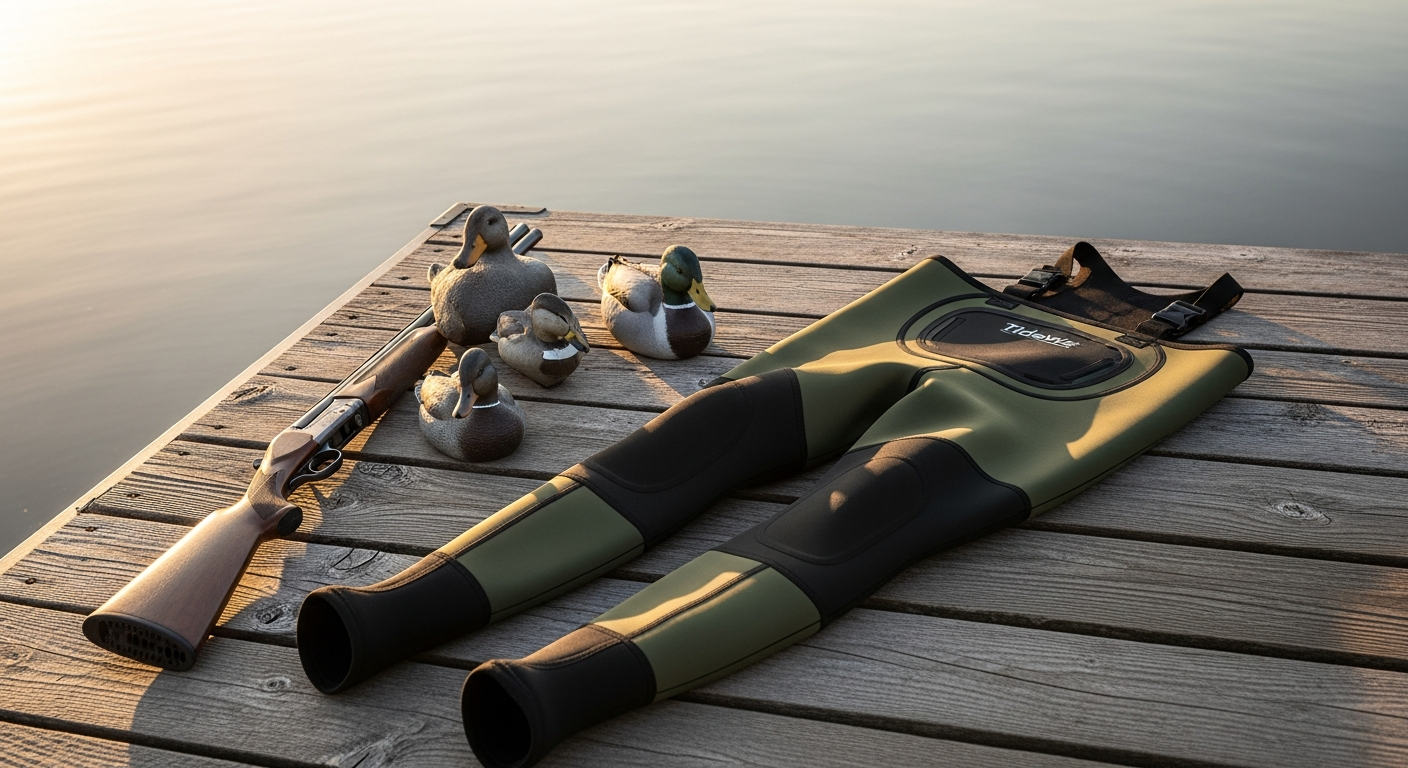
Cold feet and soaked socks have ended more hunting seasons than bad weather ever could. Over 70% of hunters abandon their season early due to inadequate gear—and cold, leaky waders top the list of culprits. If you've ever shivered through a pre-dawn duck hunt or felt water seeping into your boots mid-wade, you know the frustration that comes with substandard equipment.
The right waders can transform a miserable experience into an unforgettable one, and they don't have to drain your bank account to do it. TideWe Insulated Neoprene Hunting Waders have quietly become a staple in hunting camps across North America. Built on the principle that premium performance shouldn't require premium pricing, these waders combine military-grade neoprene construction with thoughtfully engineered features that serious hunters actually use. From fleece-lined hand warmer pockets to reinforced seams that laugh in the face of punctures, every detail reflects what waterfowl hunters demand when they're standing in 30-degree water at sunrise.
This guide breaks down everything you need to know about TideWe's insulated neoprene waders—the construction details that keep you warm, the boot technology that prevents slips on muddy banks, the real durability concerns you should know about, and whether they're truly worth the investment. By the end, you'll understand exactly why beginners and seasoned hunters alike keep coming back to this brand.
Neoprene Construction and Thickness Options: Finding Your Perfect Fit
3.5mm, 5mm, and 6mm Neoprene Thickness Variations and What Each Offers
TideWe offers multiple neoprene thicknesses to match different hunting conditions and personal preferences. The 3.5mm option provides a lighter layer ideal for early-season hunts when water temperatures remain relatively mild. The 5mm thickness sits in the sweet spot for most hunters, delivering solid insulation without excessive bulk. The 6mm variant caters to those who face brutal cold and extended water exposure, offering maximum warmth retention for late-season waterfowl hunting.
Poly/Jersey Shell Exterior and Its Role in Durability and Flexibility
The poly/jersey shell exterior serves a dual purpose. It protects the neoprene core from snags, punctures, and abrasion while allowing the material beneath to maintain flexibility. This outer layer acts as a buffer against branches, rocks, and sharp vegetation that would otherwise damage the waders during transport and use. The shell also improves the overall durability profile without sacrificing the stretch and comfort that hunters need during active movement.
Stretch Liner Technology That Prevents Restrictive, Stiff Feeling
Traditional waders often feel like wearing a straightjacket, restricting natural movement and causing fatigue during long hunting days. TideWe addresses this with a stretch liner that conforms to your body while maintaining structural integrity. This technology allows hunters to crouch, wade, cast, and move naturally without fighting against their gear. The liner flexibility becomes especially important during those moments when you need to reposition quickly to follow bird movement or navigate challenging terrain.
How Neoprene Density Affects Insulation Without Adding Excessive Bulk
Neoprene's insulating properties come from countless tiny air cells trapped within the material. TideWe optimizes the cell structure and density across their thickness options to maximize warmth retention while keeping overall weight manageable. This engineering approach means you get significant cold-water protection without the burdensome feeling of oversized, bulky waders that restrict movement and cause premature fatigue.
Comparison of Thickness Recommendations Based on Water Temperature and Season
Early-season hunts in September and October generally favor the lighter 3.5mm construction. Mid-season work in November through December benefits from the 5mm standard. Late-season expeditions in January and February demand the insulating prowess of 6mm neoprene. Water temperature remains the primary factor—the colder the water, the thicker the neoprene layer needed to maintain body heat and prevent hypothermia.
Flexibility Benefits for Active Hunting Scenarios
Active hunting demands gear that moves with you, not against you. Whether you're walking through shallow marsh, crouching behind decoys, or executing a casting motion, your waders shouldn't hinder these movements. TideWe's combination of stretch liners and layered neoprene construction delivers the flexibility that keeps hunters mobile and responsive throughout the day. This matters more than many realize—tired, restricted movement leads to mistakes and missed opportunities.
Breathability Features That Prevent Moisture Buildup and Swampy Feelings
The material composition allows subtle air circulation that prevents the uncomfortable "swampy" sensation some hunters experience during active use. When you're hiking to your blind or working hard to position decoys, internal perspiration can accumulate in poorly ventilated waders. TideWe's construction balances waterproofing with breathability, allowing moisture vapor to escape while keeping liquid water out.
Seam Construction: Double-Stitched, Glued, and Taped for Leak Prevention
The seams represent the most vulnerable points in any wader. TideWe employs a triple-threat approach: each seam is double-stitched for structural strength, glued to create a watertight seal, and finally taped for redundant protection. This multi-layer approach means water cannot find an easy entry point. Even when seams experience stress from movement or snags, the secondary and tertiary sealing mechanisms keep water out.
Material Weight and Packability Considerations for Transport and Storage
TideWe waders weigh substantially less than older neoprene designs while maintaining superior insulation. This weight reduction matters when you're carrying waders to remote hunting spots or storing multiple pairs in limited space. The material's packability means you can fold and store them without permanent creasing or damage to the neoprene structure.
Boot Insulation and Traction: The Foundation of Cold-Water Comfort
Thinsulate Insulation Options Ranging from 600g to 1600g in Boot Construction
The boots represent where TideWe truly shines. Thinsulate insulation in various weights—600g, 800g, 1200g, 1400g, and 1600g options—provides flexibility for different hunting conditions. The 600g-800g range suits early season when water temperatures hover in the 40s-50s Fahrenheit. The 1200g-1400g sweet spot handles most mid-season cold fronts. The 1600g maximum insulation tackles the bone-chilling temperatures of deep winter when water hovers near freezing.
How Thinsulate Technology Maintains Warmth Without Compromising Flexibility
Thinsulate stands apart from down or traditional foam insulation through its unique microfiber structure. These fibers trap air efficiently while remaining thin and flexible, so your boots don't feel like rigid blocks of plastic. You can walk, climb, and move naturally while your feet stay warm. The technology excels at maintaining insulation value even when damp, unlike down which loses all insulating properties when wet.
True-to-Size Boot Fit and Why Accurate Sizing Matters for Extended Wear
Unlike many wader brands, TideWe boots run true to size. This consistency matters enormously for extended wear sessions. Poorly fitting boots cause blisters, pressure points, and circulation problems that can lead to cold feet regardless of insulation. When boots fit correctly, you can add thermal socks without excessive compression, and your feet maintain proper circulation throughout the hunt.
Aggressive Tread Patterns Designed for Slippery Mud, Ice, and Rocky Bottoms
The rubber boot soles feature deep, aggressive tread patterns that grip through mud, ice, and wet rocks. This traction becomes critical when navigating swampy terrain in pre-dawn darkness or crossing ice sheets to reach open water. The thick tread compounds bite into slippery surfaces and maintain contact even when coated with algae or ice. Hunters using these waders report fewer falls and slips compared to smooth-soled alternatives.
Rubber Boot Durability and Resistance to Punctures and Abrasions
The rubber construction combines thickness with material quality that resists punctures from sharp sticks, shells, and rocky terrain. Many hunters report several seasons of use before showing significant wear. The rubber doesn't crack or become brittle in cold temperatures the way some inferior materials do, maintaining flexibility and durability across multiple seasons.
Reinforced Shoe Vamp Protection Against Toe Damage and Wear
The toe area experiences the most contact and stress during wading. TideWe adds reinforced protection in the shoe vamp—the area covering the top of the foot and toes. This reinforcement prevents premature wear and puncture in the exact spot where problems most commonly develop. The added material thickness in this critical zone extends overall boot lifespan significantly.
Heel Curve Design for Easy Removal After Long Hunting Sessions
After several hours in waders, your feet swell slightly and removing boots becomes challenging. TideWe incorporated a protruding curve on the heel that provides purchase for your hand or a boot jack, making removal straightforward even after extended wear. This small design detail prevents the frustration of struggling with stuck boots when you're tired and cold.
Boot Liner Quality and Potential Wear Concerns with Heavy Use
The fleece boot liners provide comfort and help retain heat, but some users with very heavy or prolonged use patterns report degradation over time. The fleece can pill or wear thin after multiple seasons of intense hunting. For moderate hunters using waders seasonally, this rarely becomes an issue within the first few years of ownership.
Insulation Retention After Multiple Seasons of Use
TideWe boots maintain insulation effectiveness across multiple seasons when properly cared for. The Thinsulate fibers don't compress permanently like some foam alternatives. However, extended exposure to extreme cold or very frequent use can gradually reduce peak insulation performance over many years.
Practical Features That Hunters Actually Use
Fleece-Lined Hand Warmer Pockets for Keeping Fingers Functional in Cold Weather
Numb fingers end hunts. The fleece-lined hand warmer pockets in TideWe waders aren't afterthoughts—they're essential survival features. These pockets sit at waist height where they can warm your hands without drowning them. When your fingers are warm, you maintain dexterity for reloading, adjusting decoys, and operating your shotgun safely.
Internal Dry Pouches for Storing Licenses, Phones, and Essential Gear
Internal pouches positioned against your body keep critical items dry while maintaining easy access. Your hunting license, phone, and identification remain protected even if water splashes across the waders. These pouches sit inside the wader structure where external water cannot reach them, unlike external pockets that remain exposed.
External Water-Resistant Pouches for Quick-Access Items
External pouches with water-resistant material handle items you need frequent access to—shells, calls, or snacks. The water-resistant (not fully waterproof) material sheds moisture while remaining accessible without opening interior pockets that could compromise the seal.
Shell Holders and Ammunition Storage Solutions
Dedicated shell holders keep ammunition organized and accessible. Rather than digging through a pouch, shells sit in designated holders where you can grab them quickly. This organization matters during fast-moving action when seconds determine success or failure.
Pocket Placement and Accessibility During Active Hunting
Every pocket position reflects real-world hunting scenarios. Hand warmers position where frozen hands naturally rest. Shell holders sit where they're reachable while maintaining your grip on your firearm. Dry pouches locate where they provide convenient access without requiring significant movement or repositioning.
Reinforced Stitching Around Pocket Openings to Prevent Tearing
Pocket openings represent stress points where the material experiences repeated stretching and pulling. TideWe reinforces these openings with additional stitching and sealing to prevent tears that would compromise the pocket's water resistance and structural integrity. This extra reinforcement extends pocket lifespan dramatically.
Additional Storage Capacity Compared to Competitor Brands
TideWe waders offer more total storage capacity than many competitors in the same price range. Multiple pouches combine to provide substantial room for gear without creating excessive bulk. Hunters appreciate the ability to carry everything they need without wearing a separate chest pack or backpack.
Organization Systems That Prevent Gear from Shifting During Movement
Thoughtfully designed pouches and holders keep gear in place rather than sliding around during movement. Compartmentalized storage prevents everything from settling into one heavy mass at the bottom. This organization distributes weight evenly and prevents discomfort during long hunting days.
Durability, Longevity, and the Repair Advantage
Reported Lifespan: Multiple Seasons of Regular Use for Most Hunters
User reports consistently show TideWe waders lasting multiple seasons with proper care. Seasonal hunters often report five to seven years of service, with some claiming even longer lifespans. Professional hunters using waders nearly daily report three to four seasons before significant wear necessitates replacement. This lifespan dramatically improves the cost-per-use ratio compared to cheaper alternatives that fail within a single season.
Seam Integrity Under Stress and Extended Wear Conditions
The triple-sealed seams (stitched, glued, and taped) maintain integrity through hundreds of hours of movement and flexing. The seams don't degrade under normal hunting stress. However, intentionally extreme use—such as dragging waders across sharp rocks repeatedly or subjecting seams to unusual stress—can compromise them faster than normal conditions would suggest.
Common Wear Patterns and Where Failures Typically Occur
Wear typically appears first in the groin and lower hip area where movement creates the most flex stress. The boot liners eventually show wear in the heel and toe areas from repeated friction. External neoprene rarely fails before internal liners degrade. Understanding these patterns helps hunters inspect their waders regularly and address problems before catastrophic failure.
Crotch Seam Durability Concerns Noted by Some Users
Some users have reported crotch seam failures, particularly those with heavier builds or extremely active hunting patterns. This represents the most common failure point reported by users. However, this issue affects a minority of users and typically only appears after several seasons of intensive use. For average hunters using waders seasonally, this remains unlikely to occur within the warranty period.
Boot Liner Degradation Timeline with Heavy or Prolonged Use
The fleece boot liners can degrade after two to three years of very heavy use. Pilling appears first, followed by gradual thinning of the material. For hunters using waders 15-20 days annually, this timeline stretches to five or more years. The degradation reduces comfort more than functionality—your boots remain waterproof and insulated even as the liner quality declines.
Included Repair Kits and Their Effectiveness for Minor Punctures
TideWe includes repair kits with most purchases, containing patches and adhesive for small punctures. These kits work effectively for holes up to the size of a pencil eraser. Larger damage or seam failures typically require professional repair. The included kits address the most common minor damage scenarios that arise during normal hunting use.
Maintenance Practices That Extend Wader Lifespan
Proper care dramatically extends wader lifespan. Rinsing with freshwater after each use removes salt, sand, and algae that degrade materials. Air drying completely before storage prevents mold and material breakdown. Storing in a cool, dark location protects neoprene from UV damage and deterioration. Regular inspection catches small problems before they become major failures.
Cost-Per-Use Calculation Compared to Premium Alternatives
A $150 pair of TideWe waders lasting five seasons equals $30 per season or approximately $2 per hunting day for someone using waders 15 days annually. Premium waders costing $600+ still need five seasons to reach similar per-use costs, and they don't necessarily outlast TideWe by significant margins. The affordability means hunters can own multiple pairs for different conditions without massive financial commitment.
Warranty Coverage and Manufacturer Support Options
TideWe typically offers warranty coverage against manufacturing defects. The warranty rarely covers damage from misuse, but it protects against seam failures and material defects arising during normal use. Manufacturer support remains responsive and accommodating for legitimate warranty claims, with most issues resolved quickly and professionally.
Sizing and Fit: Why Women's Sizing Deserves Attention
Men's Sizing Standards and True-to-Size Boot Fit
Male hunters generally find TideWe waders fit true to size. The chest, waist, and inseam measurements align with standard sizing conventions. Men's boots fit properly without modification. The cut assumes a typical male body shape with the shoulders wider than the hips and the chest substantially larger than the waist.
Women's Sizing Availability and Fit Considerations
TideWe offers women's-specific sizing, which represents a significant advantage for female hunters. However, women's fit deserves careful consideration before purchasing. The women's models don't entirely solve the fit challenges that plague female wader wearers across all brands.
Reported Fit Issues in Chest, Groin, and Hip Areas for Female Wearers
Female hunters report that TideWe women's waders sit awkwardly in the chest, groin, and hip areas. The chest often feels loose and baggy, while the groin and hip region can feel overly snug or cut off circulation when moving. This mismatch stems from the challenge of creating waders that accommodate the broader hip-to-waist ratio typical of female bodies while also fitting properly in the chest.
Baggy Construction in Women's Models and Impact on Mobility
The excess fabric in the chest area creates bunching that can trap water and create discomfort during movement. Waders that fit poorly in the chest compromise both mobility and temperature regulation. However, some female hunters report that the bagginess improves freedom of movement in the hip and thigh areas, suggesting a trade-off between comfort in different regions.
Sizing Up or Down Strategies for Women to Achieve Better Fit
Some female users report success by sizing down in the waist and inseam while accepting the chest bagginess. Others size up in specific areas to accommodate hips and maintain groin comfort, accepting the looser chest. There's no universal solution, making careful sizing research essential before purchasing.
Comparison of Women's-Specific Wader Options in the Market
While TideWe offers women's sizing, some competitors have invested more heavily in women's-specific engineering. Brands like Simms and XTRATUF have developed designs that better accommodate female body proportions. However, these alternatives typically cost significantly more than TideWe, representing a trade-off between perfect fit and affordability.
Adjustable Waist and Strap Systems for Customization
TideWe waders include adjustable waist and shoulder strap systems that provide some customization opportunity. These adjustments help compensate for fit imperfections but cannot completely resolve structural design mismatches. A female hunter with a smaller chest and larger hip can potentially adjust the straps to improve comfort, but this represents a band-aid solution rather than a fundamental fix.
Inseam and Outseam Measurements for Accurate Sizing
Precise inseam and outseam measurements matter critically for wader fit. Women's inseams vary considerably based on height and leg proportions. Careful measurement using TideWe's specific sizing chart—not generic online tools—dramatically improves fit success rates. Undersized inseams create uncomfortable bunching at the ankles and restrict movement.
Real-World Feedback from Female Hunters on Comfort and Functionality
Female hunters using TideWe waders report mixed experiences. Some find the women's sizing acceptably comfortable for seasonal use, while others struggle with the fit and consider alternatives. The consensus suggests that female hunters with typical proportions may experience acceptable fit, while those outside the average range struggle more significantly.
The Affordability Factor: Premium Performance Without Premium Pricing
Entry-Level Pricing Structure at $100 or Less for Introductory Models
TideWe's pricing strategy makes quality waders accessible to hunters on any budget. Entry-level models frequently sell for under $100, sometimes dropping significantly lower during sales. This affordability removes financial barriers that prevent many hunters from experiencing the comfort of warm, dry wading.
Regular Sale Prices and Seasonal Discount Patterns
Seasonal sales significantly reduce TideWe wader pricing, particularly at the end of hunting seasons when retailers clear inventory. Late-season sales often drop prices 30-50% below normal retail. Savvy hunters time purchases to align with these sales, stretching their budgets even further.
Quality-to-Value Ratio Compared to High-End Brands
TideWe waders punch well above their price class in terms of features, durability, and performance. Premium brands charging three to four times more don't provide proportionally better performance for seasonal hunters. The quality-to-value ratio makes TideWe exceptional within the market.
Cost Comparison with Competitor Neoprene Waders
Comparable neoprene waders from other brands typically cost 30-100% more than TideWe while offering similar or marginally better performance. Brands leveraging premium positioning and heritage pricing demand significantly more for waders that perform similarly in real-world conditions.
Long-Term Investment Value Based on Durability and Lifespan
A $150 investment in TideWe waders providing five to seven years of use represents exceptional long-term value. Even a $300 investment lasting that duration costs less per season than many hunters spend on ammunition or calls. The durability profile ensures the affordability translates to genuine long-term savings.
Budget-Friendly Appeal for Beginners and Casual Hunters
Beginners uncertain about their commitment to hunting can invest modestly in quality waders without risking substantial financial loss if the hobby doesn't stick. Casual hunters using waders just a few times annually find the affordability enables ownership without guilt. This accessibility democratizes quality gear across all hunter types.
Return on Investment for Frequent Waterfowl Hunters
Hunters pursuing waterfowl 30-50 days annually recoup their investment within months through improved hunting experiences and reduced suffering. The comfort improvements directly translate to extended hunting seasons and greater success rates for active hunters.
Bulk Purchase Options and Group Discounts
Hunting clubs and organizations can sometimes negotiate bulk pricing when purchasing multiple pairs for members or employees. This advantage enables groups to equip hunters affordably while ensuring consistency across team members.
Financing or Payment Plan Availability Through Retailers
Many retailers offering TideWe waders provide payment plan options through financing services. This removes the barrier of upfront cost for hunters managing tight budgets, allowing them to spread payments across the season.
Real-World Performance in Extreme Conditions
Performance in Sub-Zero Temperatures and Frozen Water Scenarios
TideWe waders with maximum Thinsulate insulation (1600g in the boots) perform respectably in sub-zero conditions. Users report maintaining warmth through temperatures approaching -10°F when paired with appropriate thermal socks and layering. However, the maximum insulation reaches its limits in extreme cold that drops below -20°F, where professional-grade expedition waders become necessary.
Waterproofing Effectiveness During Extended Wade Sessions
The triple-sealed seams and neoprene construction maintain waterproofing through extended sessions lasting six to eight hours. Users report staying dry through full hunting days in typical waterfowl hunting conditions. The waterproofing remains reliable even in rain or sleet during active wading.
Mobility and Freedom of Movement During Active Hunting
The stretch liner and moderate thickness neoprene allow natural movement that doesn't restrict mobility compared to wearing jeans. Hunters can crouch, walk, and reposition without fighting against their gear. This mobility advantage accumulates across a full hunting day, reducing fatigue and increasing comfort.
Traction Performance on Various Terrain Types
The aggressive tread patterns grip effectively on mud, ice, rocks, and vegetation. Hunters consistently report fewer slips and falls compared to smooth-soled waders or inadequate boots. The traction performance justifies the boot design and becomes particularly valuable in pre-dawn darkness when visibility is limited.
Breathability During High-Exertion Activities
The material composition allows sufficient air circulation that prevents excessive sweat accumulation during hikes to hunting spots. Hunters moving through upland areas or covering distance across marshes report acceptable breathability without the "swampy" feeling that some waders create during exertion.
Thermal Retention in Different Water Conditions and Seasons
The insulation performs consistently across temperature ranges from 30°F to 55°F water. Early-season hunts with 50°F+ water temperatures find even the lighter 3.5mm option adequate. Late-season conditions near freezing demand the heavier options, but TideWe models accommodate both extremes effectively.
User Testimonials from Experienced Waterfowl Hunters
Veteran waterfowl hunters frequently praise TideWe waders for consistent performance across seasons. References to their reliability appear regularly in hunting forums and social media discussions. Experienced hunters often specify TideWe when recommending gear to newcomers, indicating strong satisfaction based on extended personal experience.
Performance During Duck Season Peaks and Extended Hunts
The waders deliver reliable performance during the peak hunting days of the season when birds are most active. Multi-day hunting expeditions find TideWe maintaining insulation and waterproofing throughout extended use. The durability enables consecutive hunting days without performance degradation.
Comparison to Premium Wader Brands in Field Conditions
Field comparisons reveal TideWe performing at 85-90% of the level of premium waders costing three to four times more. For seasonal hunters and moderate use patterns, the performance difference becomes negligible. Only hunters pursuing extreme conditions or using waders for professional purposes find the premium alternatives deliver meaningfully better performance.
Potential Drawbacks and Honest Limitations
Seam Failure Risks with Very Heavy or Prolonged Use
Hunters using waders continuously throughout extended seasons or engaging in multi-season hunting years may experience seam failures. The triple-sealed construction provides redundancy, but extreme stress can exceed the design limits. Most recreational hunters won't encounter this issue, but serious waterfowl enthusiasts using waders frequently should be aware of the possibility.
Boot Liner Durability Concerns Over Multiple Seasons
The fleece boot liners degrade over time, particularly with heavy use. Some hunters report noticeable wear appearing within two to three years of intensive hunting. Replacement liners are available but add to the long-term cost of ownership. For seasonal hunters, this rarely becomes an issue within the first few years.
Women's Fit Issues and Suitability for Female Hunters
The women's sizing still requires compromise from female hunters, with some reporting unacceptable fit despite TideWe's efforts to address this market. Female hunters with non-standard proportions may find better success with premium alternatives despite the higher cost.
Potential for Swampy Feeling Without Proper Ventilation Management
Some users report moisture accumulation during low-exertion hunting when waders remain sealed and movements are minimal. This "swampy" feeling develops when perspiration cannot escape due to sealed seams and heavy insulation. Strategic ventilation (occasional brief exposure) and proper moisture-wicking layers underneath minimize this issue.
Limitations in Extreme Cold Conditions Compared to Premium Alternatives
The maximum insulation available in TideWe waders cannot match specialized expedition waders designed for extreme cold. Hunters pursuing waterfowl in the coldest regions (northern prairies, Alaska, Canada) may find TideWe inadequate for their extreme conditions. This represents a genuine limitation for a specific user segment.
Repair Difficulty and Cost If Major Damage Occurs
While the included repair kits handle minor punctures, significant damage requires professional repair services. Professional repairs can cost $50-150 depending on damage severity, reducing the affordability advantage when major repairs become necessary. Repeated repairs eventually reach the point where replacement makes more financial sense.
Sizing Inconsistencies Reported by Some Users
Occasional reports suggest sizing inconsistencies between production batches. A pair that fits perfectly may not match subsequent purchases, creating frustration when ordering replacements. This issue affects a minority of users but remains worth noting for those ordering multiple pairs.
Break-In Period and Initial Stiffness
New neoprene waders require a break-in period during which the material feels slightly stiff and restrictive. The stretch liner softens and conforms to your body after a few hunting sessions. First-time wader users should expect a short adjustment period before reaching the comfort level the waders will eventually provide.
Long-Term Waterproofing Degradation with Age
After five to seven years of regular use, waterproofing gradually declines as the sealing materials age and neoprene loses elasticity. The waders don't suddenly fail, but users may notice small leaks appearing where seals previously held perfectly. This represents normal material aging rather than manufacturing defect.
Who Should Buy TideWe Insulated Neoprene Waders—And Who Shouldn't
Ideal for Beginner and Intermediate Waterfowl Hunters
Newcomers to waterfowl hunting benefit enormously from TideWe's balance of affordability and performance. These waders help beginners experience the sport without massive financial commitment, enabling them to decide whether to pursue waterfowl hunting seriously. The reliable performance builds confidence in beginners uncertain about gear quality.
Perfect for Budget-Conscious Hunters Seeking Reliable Performance
Hunters managing tight budgets find TideWe exceptional value. The quality-to-price ratio eliminates the false choice between affordability and functionality. Budget-conscious hunters can own quality waders rather than settling for inferior alternatives.
Suitable for Casual Duck and Goose Hunting Seasons
Hunters pursuing waterfowl 10-20 days annually find TideWe perfectly suited to their needs. The durability supports seasonal use for many years. Casual hunters don't need expedition-grade equipment, making TideWe's moderate specs perfectly aligned with their usage patterns.
Best for Hunters Who Prioritize Value and Practicality
Hunters valuing practicality over prestige find TideWe excellent. These waders solve real problems without unnecessary frills. The no-nonsense design focuses on features hunters actually use rather than marketing gimmicks.
Recommended for Those Hunting in Moderate to Cold Conditions
TideWe excels in the typical waterfowl hunting temperature range from 25°F to 55°F. The neoprene options cover these conditions superbly. Hunters operating within normal seasonal ranges will find TideWe more than adequate.
Great for Hunters Needing Multiple Pairs Without Major Investment
Hunters wanting to own multiple waders for different conditions can afford multiple TideWe pairs instead of a single premium alternative. This enables having dedicated waders for different seasons or backup pairs without massive financial commitment.
Less Suitable for Professional or Tournament Hunters
Professional guides using waders daily and tournament competitors pursuing maximum performance should consider premium alternatives. The extreme use patterns and performance demands exceed what TideWe targets.
Not Ideal for Extreme Cold-Weather Expeditions Requiring Premium Gear
Hunters pursuing waterfowl in Arctic conditions or extreme cold regions should investigate specialized expedition waders. TideWe's maximum insulation doesn't match gear designed specifically for sub-zero temperatures. The investment in premium alternatives pays off in extreme conditions.
Considerations for Hunters with Specific Fit Requirements
Female hunters, hunters with exceptional body proportions, or those with unusual sizing needs should carefully research fit before purchasing. Try-on opportunities or lenient return policies become essential for these buyers.
Best Use Cases: Seasonal Waterfowl Hunting, Fishing Trips, Casual Wading
TideWe waders shine for seasonal waterfowl hunting, recreational fishing, and casual wading scenarios. These represent the core use cases where TideWe delivers maximum value. Using them beyond their intended scope may lead to disappointment.
Maintenance and Care for Maximum Wader Lifespan
Proper Cleaning After Each Hunt to Prevent Material Degradation
Rinsing with freshwater immediately after hunting prevents salt, mud, and algae accumulation that degrades materials. A garden hose rinse requiring just five minutes prevents long-term damage from saltwater exposure or accumulated debris. This simple habit extends lifespan significantly.
Storage Techniques That Preserve Neoprene Elasticity and Integrity
Hanging waders on a broad hanger in a cool closet preserves the neoprene better than folding them tightly. The hanging position prevents creasing and allows air circulation. Avoid storing in direct sunlight or heat sources that accelerate material deterioration.
Drying Methods and Temperature Considerations
Air dry waders completely before storage, but avoid direct heat. Radiators, heating vents, and hair dryers damage neoprene. The slow, cool air-drying method that takes 24-48 hours preserves the material far better than accelerated methods.
Inspection Routines for Early Detection of Wear or Damage
Monthly visual inspections catch small problems before they become major failures. Look for seam separation, tiny punctures, and liner degradation. Early detection enables use of the included repair kit before damage expands.
Repair Kit Usage and DIY Patching Procedures
The included neoprene patches and adhesive work effectively for small punctures under approximately 1 inch diameter. Clean the damaged area, apply adhesive according to instructions, and secure the patch with applied pressure. Allow full curing time before using repaired waders.
Professional Repair Options and When They're Worthwhile
Professional repairs make sense for damage larger than DIY patches can handle or for critical seam failures. Quality repairs cost $50-150 but restore functionality for several more seasons. Compare professional repair costs against replacement costs when deciding on major repairs.
Seasonal Maintenance Checklist Before and After Hunting Season
Before season: Inspect all seams, check boot condition, and verify pocket functionality. After season: Clean thoroughly, air dry completely, and store in proper conditions. Mid-season: Perform quick visual inspections and address small problems immediately.
Storage Environment Conditions (Temperature, Humidity, Light)
Ideal storage maintains 50-70°F temperatures, 40-60% humidity, and protection from direct light. Basements or interior closets typically provide excellent storage. Garages subject to temperature swings or attics exposed to heat offer poorer conditions that acceler
Leave a Reply