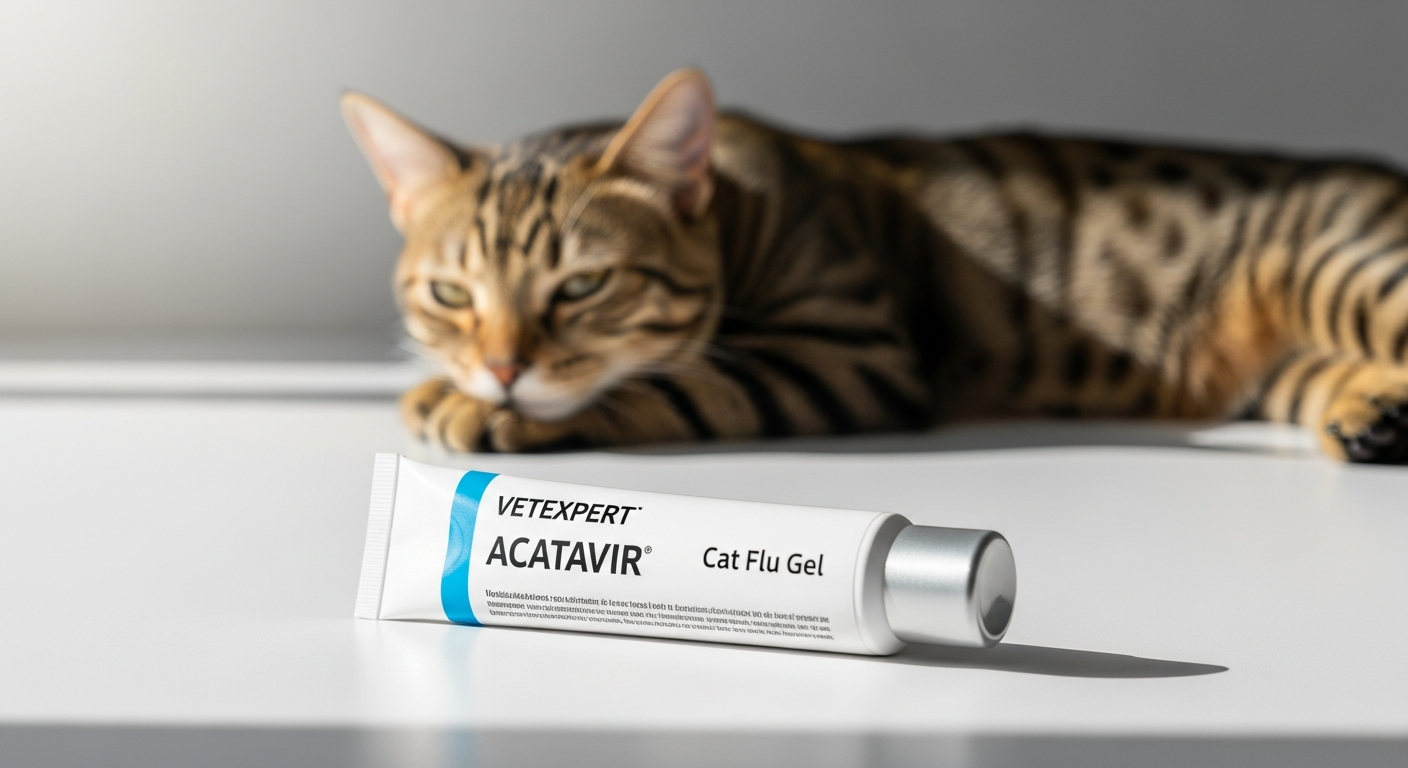
Nearly 90% of shelter cats carry antibodies to feline calicivirus, and once infected, many cats experience recurring cat flu episodes throughout their lives. If you've watched your feline companion struggle with sneezing fits, crusty eyes, and nasal discharge, you understand the frustration of seeing them suffer. VETEXPERT ACATAVIR represents a breakthrough in feline viral support, combining university-backed research with practical, cat-owner-friendly design.
This gel-based preparation targets the root causes of cat flu by blocking viral replication at the cellular level. Rather than masking symptoms, ACATAVIR works to address the underlying viral mechanisms that keep your cat miserable. The innovation behind this product reflects years of scientific collaboration and real-world testing in households just like yours.
You'll discover everything about VETEXPERT ACATAVIR Cat Flu Gel—from its innovative PSSNa formula and how it combats viral infections, to practical application tips and real results. Learn more about VETEXPERT ACATAVIR and start supporting your cat's recovery today.
What Is Cat Flu and Why Standard Treatments Often Fall Short
The Viral Reality Behind Feline Upper Respiratory Tract Disease
Feline upper respiratory tract disease (FURTD) isn't a single condition—it's a complex syndrome triggered by multiple viral pathogens. Your cat's sneezing, discharge, and eye inflammation stem from two primary culprits: feline calicivirus (FCV) and feline herpesvirus type 1 (FHV-1). Both viruses target the respiratory epithelium, oral tissues, and conjunctiva, creating the miserable symptoms cat owners recognize immediately.
Why Antibiotics Miss the Mark
Pet owners often assume antibiotics will resolve cat flu, but this represents a fundamental misunderstanding of viral infections. Antibiotics kill bacteria—they have zero effect on viruses. Your veterinarian may prescribe antibiotics if secondary bacterial infections develop, but these medications don't address the root viral problem. Your cat's immune system must fight the virus itself, and this is where targeted viral support becomes critical.
The Carrier Cat Problem
Once infected with FCV or FHV-1, many cats become lifelong carriers. Even after apparent recovery, the virus persists in nerve tissue (especially with herpesvirus) or lymphoid tissue (with calicivirus). Stress, illness, or immunosuppression can trigger reactivation, causing recurring episodes of cat flu. These chronic carriers face mounting medical bills and repeated suffering without effective preventive strategies.
Local Immunity's Central Role
Your cat's oral mucosa maintains its own immune defense system—separate from systemic immunity. This local immunity protects against viral invasion at the point of entry. When cat flu damages this protective barrier, your cat becomes vulnerable to prolonged infection and secondary complications. Conventional supportive care addresses symptoms but rarely rebuilds this crucial local defense.
The PSSNa Breakthrough: Understanding ACATAVIR's Active Ingredient
Origins in Scientific Collaboration
Poly(4-styrenesulfonate sodium)—or PSSNa—emerged from research conducted at Jagiellonian University, one of Europe's leading institutions. This wasn't developed in isolation; it represents genuine scientific innovation backed by university researchers committed to solving feline health challenges. The choice to use this compound specifically reflects its proven efficacy against the exact viruses causing cat flu.
How PSSNa Blocks Viral Replication
PSSNa operates through dual mechanisms that directly attack viral proliferation. First, it inhibits the replication cycle of feline calicivirus by interfering with viral RNA transcription. Second, it blocks the entry of virions—the infectious viral particles themselves—into host cells. This two-pronged approach prevents FCV from establishing infection and simultaneously protects against FHV-1 entry. Unlike broad-spectrum antivirals that affect multiple body systems, PSSNa works with precision at the mucosal surface where infection begins.
Why Gel Delivery Outperforms Tablets
Administering oral tablets to cats ranks among the most stressful experiences for pet owners and their felines. Beyond the stress factor, tablets often don't reach therapeutic concentrations at the infection site. The gel formulation adheres directly to oral tissues, creating sustained contact between PSSNa and the viral target. This localized delivery ensures maximum effectiveness while avoiding the systemic absorption concerns associated with injectable or oral medications.
Mucosal Barrier Protection and Regeneration
The gel's viscous nature creates a protective barrier across damaged oral mucosa. This physical protection prevents further viral damage while PSSNa simultaneously works against existing infection. As the gel remains in contact with tissues, it supports regeneration of the oral epithelium—essentially helping your cat rebuild its own defense system rather than just suppressing symptoms.
Safety Profile and Systemic Concerns
Since ACATAVIR works topically on mucosal surfaces, systemic absorption remains minimal. This means your cat avoids the side effects associated with systemic antivirals. Research demonstrates that PSSNa doesn't accumulate in organs or create long-term toxicity concerns. For cats with compromised kidney or liver function—common in senior felines—this localized approach provides an advantage over medications requiring hepatic metabolism.
Application Made Simple: Administering ACATAVIR Without the Stress
Step-by-Step Administration Guide
ACATAVIR comes with a simple applicator that transforms a typically stressful medication experience into something manageable. First, allow your cat to settle in a comfortable position—ideally on your lap or a familiar surface. Gently lift your cat's upper lip to expose the gums above the canine teeth. Using the applicator, apply a small amount of gel directly onto the gingival tissue. The amount needed is modest—your veterinarian will specify the exact dose for your cat's situation. Repeat on both sides of the mouth to ensure balanced coverage.
Optimal Timing and Frequency
Most treatment protocols call for application once or twice daily, depending on symptom severity and your vet's recommendations. Consistency matters more than perfection; applying the gel at the same times each day helps your cat's system respond predictably. Many cat owners find morning and evening applications easiest to remember. The typical treatment duration spans 7-14 days, though some cats with severe symptoms benefit from extended protocols.
Handling Tips for Resistant Cats
Even the most challenging felines tolerate topical gel application better than forced tablet administration. If your cat resists, avoid restraint struggles that create stress-related immune suppression. Instead, apply small amounts and allow your cat to move away naturally. Some cats tolerate application better when slightly distracted—attempting medication while your cat eats a treat sometimes works. Consistency also builds tolerance; most cats accept the routine after the first few applications.
Dosing Consistency Matters
Your veterinarian will establish a specific dose for your cat's weight and infection severity. Consistency in dosing ensures therapeutic concentrations reach the infection site. Under-dosing leaves viral replication partially unchecked, while over-dosing provides no additional benefit. Follow your vet's guidance precisely, and if you miss a dose, simply resume the normal schedule without doubling up.
Storage and Shelf-Life
Keep ACATAVIR at room temperature, away from direct sunlight. The 30ml tube typically maintains efficacy for the duration outlined on the packaging. Once opened, use the product according to the manufacturer's timeline. Proper storage prevents gel degradation and ensures PSSNa remains active against circulating viruses.
Real Results: What Improvement Looks Like in Your Cat
Timeline for Symptom Relief
Most cat owners notice initial improvement within 3-5 days of starting ACATAVIR treatment. Sneezing frequency typically decreases first, followed by gradual reduction in nasal discharge. Conjunctivitis—the eye inflammation causing crusty buildup—resolves more gradually, often requiring 10-14 days for complete clearance. This timeline varies among individual cats based on infection severity, immune status, and how quickly local oral immunity rebuilds.
Visible Signs of Oral Mucosa Healing
As PSSNa inhibits viral replication, damaged gum tissue and mouth ulcers begin regenerating. You may notice your cat's gums shifting from pale or inflamed appearance to healthy pink coloring. Any ulcers present typically shrink and eventually disappear. This mucosal regeneration represents genuine healing—your cat's own tissues rebuilding their protective capacity.
Reduced Viral Shedding
As infection resolves, your cat sheds fewer viral particles. This proves especially important in multi-cat households where one infected feline spreads disease to others. Once ACATAVIR suppresses viral replication, transmission risk drops substantially. This benefit extends beyond your individual cat to protect other felines in your home.
Recovery in Immunocompromised Cats
Cats with compromised immunity often experience prolonged or severe cat flu. ACATAVIR's local immune support proves particularly valuable for these vulnerable animals. By rebuilding oral immune defenses rather than relying solely on systemic immunity, these cats achieve faster recovery than they might with conventional supportive care alone.
Appetite and Activity Restoration
During acute cat flu, many cats lose appetite due to mouth discomfort and congestion. As ACATAVIR reduces inflammation and viral load, appetite returns. Your cat's energy levels typically recover alongside appetite, with playfulness and normal activity resuming as respiratory symptoms clear. These behavioral improvements often provide the first clear signal that treatment is working.
When Changes Become Noticeable
Most cat owners report confidence in their treatment choice within one week. While individual responses vary, the combination of reduced sneezing, clearer eyes, and improved appetite creates obvious improvement. By day 10-14, the contrast between pre-treatment misery and current health becomes striking.
Pricing, Availability, and Value Proposition
European Market Pricing
VETEXPERT ACATAVIR typically ranges from €10 to €24 across most European retailers, though regional variations occur. Some markets show pricing around €27, while promotional pricing in select regions reaches as low as approximately €24 (sale pricing from regular €38). These price variations reflect distribution costs, local competition, and regional market dynamics rather than product quality differences.
Finding Authentic Products
Purchase ACATAVIR from authorized VETEXPERT Tiergesundheit AT retailers or trusted online pet health suppliers. Counterfeit products occasionally appear in online marketplaces; buying from verified sellers ensures you receive the genuine formula with its proven PSSNa concentration. Your veterinarian can recommend trusted sources in your region.
Cost Per Treatment Perspective
Calculate true value by considering cost per complete treatment course rather than per-unit price. A €20 tube lasting 7-14 days of treatment costs significantly less than a single veterinary visit for cat flu management (typically €50-100+). Over a year, chronic carriers managing recurring episodes through ACATAVIR cost far less than repeated veterinary interventions, even accounting for multiple treatment courses.
Long-Term Value for Chronic Carriers
Cats experiencing recurrent cat flu benefit enormously from having ACATAVIR available as preventive support. Keeping gel on hand and starting treatment at the first sign of respiratory symptoms prevents progression to severe disease. This proactive approach costs substantially less than treating advanced infections.
When Price Fluctuates
Seasonal demand, distributor inventory, and regional economic factors influence ACATAVIR pricing. Purchasing during stable-price periods and storing properly can help you maintain supply without price-surge vulnerability. Some retailers offer subscription options that lock in pricing and ensure consistent supply.
ACATAVIR as Part of a Comprehensive Cat Flu Strategy
Why Veterinary Collaboration Matters
ACATAVIR works best as part of a coordinated treatment plan rather than as monotherapy. Your veterinarian confirms the feline upper respiratory infection diagnosis, rules out other conditions causing similar symptoms, and identifies any complications requiring intervention. They assess your individual cat's health status and determine whether ACATAVIR suits your cat's specific situation.
Integration with Supportive Care
Hydration, nutrition, and rest remain foundational to recovery. Ensure your cat drinks adequate water—dehydration worsens symptoms and slows healing. Maintain normal feeding if appetite permits, or offer enticing foods if standard fare loses appeal. Quiet rest in a warm environment supports immune function while ACATAVIR addresses viral replication directly. These elements work synergistically; ACATAVIR handles the viral burden while supportive care maximizes your cat's recovery capacity.
Combining with Prescribed Antivirals
Some severe infections warrant prescription antiviral medications like famciclovir (especially for herpesvirus infections). ACATAVIR complements rather than conflicts with these systemic antivirals. The topical gel provides localized support at the infection site while systemic medications work throughout the body. Your veterinarian will advise on appropriate combinations for your cat's specific situation.
Monitoring During Treatment
Track symptom progression daily. Note sneezing frequency, discharge characteristics, eye condition, appetite, and activity levels. This documentation helps your veterinarian assess treatment effectiveness and adjust protocols if needed. Most cats show clear improvement within one week; lack of improvement warrants veterinary reassessment.
Recognizing When Professional Help Is Essential
If your cat develops severe breathing difficulty, refuses all food, or shows signs of systemic illness (fever, lethargy, dehydration), contact your veterinarian immediately. ACATAVIR supports recovery but cannot replace professional care when complications develop. Secondary bacterial infections, severe dehydration, or systemic viral spread require veterinary intervention beyond topical antiviral support.
Post-Recovery Maintenance
After acute infection resolves, your cat's oral immunity remains stronger than before treatment. However, carrier cats remain vulnerable to reactivation. Minimize stress, maintain optimal nutrition, and keep vaccinations current to support sustained immunity. Having ACATAVIR available for prompt use at the first sign of symptoms prevents escalation to severe disease.
Building Multi-Layered Defense
Combine topical antiviral support (ACATAVIR), systemic immunity (through vaccination and nutrition), stress reduction, and environmental management. This multi-faceted approach provides superior protection compared to relying on any single intervention. Your cat benefits from veterinary guidance integrated with owner vigilance and appropriate supportive products.
Who Benefits Most: Identifying the Right Candidates for ACATAVIR
Acute Infection Management
Cats experiencing their first cat flu episode or acute recurrence benefit immediately from ACATAVIR initiation. The sooner treatment begins after symptom onset, the faster oral immunity rebuilds and viral burden decreases. Cats showing clear upper respiratory signs—sneezing, discharge, conjunctivitis—represent ideal candidates for immediate treatment.
Chronic Carrier Management
Cats with documented recurrent cat flu episodes (three or more per year) represent prime candidates for ACATAVIR availability. These chronically infected animals need prompt treatment initiation at the earliest symptom sign to prevent progression. Having gel on hand enables rapid response rather than waiting for veterinary appointments.
Multi-Cat Household Protection
When one cat develops cat flu in a multi-cat household, transmission risk to other felines escalates dramatically. ACATAVIR reduces viral shedding from the infected cat, limiting exposure to susceptible housemates. If other cats show early symptoms, immediate ACATAVIR treatment prevents escalation to clinical disease.
Vulnerable Populations
Kittens under 12 weeks show immature immune responses and often experience severe cat flu. Senior cats frequently have immune compromise from age and concurrent conditions. ACATAVIR's gentle, localized approach suits these vulnerable populations better than systemic antivirals. Cats with feline immunodeficiency virus (FIV) benefit from the local immune support ACATAVIR provides.
Oral Microbiome Imbalance
Cats with documented oral microbiome dysbiosis—whether from antibiotics, diet, or prior infection—benefit from ACATAVIR's support for beneficial oral bacteria recovery. As viral infection subsides, normal microbiota reestablish themselves, strengthening oral immunity further.
Post-Episode Prevention
Even after successful recovery, recently infected cats face reactivation risk. Maintaining ACATAVIR access allows immediate treatment if symptoms recur, preventing the cycle of repeated severe infections.
Potential Limitations and Realistic Expectations
Supportive Therapy, Not Complete Cure
ACATAVIR addresses viral replication and supports immune recovery, but it doesn't eliminate persistent viral carriers' infection status entirely. Your cat's body must ultimately clear the virus; ACATAVIR helps this process by reducing viral burden and supporting oral immunity. For herpesvirus specifically, the virus persists in nerve ganglia indefinitely; ACATAVIR prevents reactivation by supporting immunity but cannot eradicate latent infection.
Individual Response Variation
Cat age, overall health status, immune competence, and infection severity influence how quickly improvement manifests. Some cats show dramatic improvement by day three; others require the full treatment course before noticeable change occurs. This variation reflects biological reality rather than product ineffectiveness.
Regional Availability Challenges
While VETEXPERT products enjoy strong European distribution, certain regions may face limited availability or require ordering from distant suppliers. Confirm availability in your area before your cat develops acute symptoms, since waiting during active infection wastes precious treatment days.
Price Fluctuation Reality
ACATAVIR pricing varies significantly across retailers and regions, sometimes without clear explanation. Budget-conscious owners may find pricing inconsistency frustrating. Monitoring prices over time helps identify optimal purchasing windows and reduces surprise cost escalation.
When Professional Intervention Becomes Necessary
Severe respiratory distress, inability to breathe through the nose, high fever, or signs of systemic infection signal conditions exceeding ACATAVIR's scope. Your cat needs professional veterinary evaluation and potentially hospitalization for supportive care (IV fluids, oxygen) if complications develop. ACATAVIR prevents progression to this severity when used early, but established severe disease requires professional intervention.
Timeframe Variability
While most cats improve within 7-14 days, some require extended treatment. Patience matters; giving ACATAVIR adequate time to work prevents premature protocol changes that disrupt treatment continuity.
Making Your Decision: Is VETEXPERT ACATAVIR Right for Your Cat?
Questions for Your Veterinarian
Before starting ACATAVIR, ask your veterinarian several clarifying questions: Has cat flu been definitively diagnosed, or could other conditions explain your cat's symptoms? Does your cat have any contraindications to PSSNa-based treatment? What dosage and treatment duration do they recommend for your specific cat? Should ACATAVIR be combined with other medications? How should you monitor for treatment effectiveness? When should you return for follow-up evaluation?
Assessing Your Cat's Symptom Severity
Cats with mild symptoms—occasional sneezing and minimal discharge—might improve through supportive care alone. However, cats with moderate-to-severe symptoms—frequent sneezing, abundant discharge, eye inflammation, reduced appetite—benefit substantially from ACATAVIR's targeted antiviral action. The more pronounced your cat's symptoms, the stronger the case for ACATAVIR initiation.
Evaluating Your Cat's Immune Status
Healthy young-adult cats often recover from cat flu through their own immune response. Senior cats, kittens, and immunocompromised felines benefit more from ACATAVIR's immune-support function. If your cat has other health conditions or takes immunosuppressive medications, ACATAVIR becomes increasingly valuable.
Medication Compatibility
Ensure ACATAVIR doesn't interact with medications your cat currently takes. Its topical nature and minimal systemic absorption make interactions unlikely, but your veterinarian should confirm compatibility with any existing treatment regimen.
Retail Trial and Return Policies
Many retailers offer reasonable return windows if ACATAVIR doesn't suit your situation. Understanding these policies reduces risk when trying the product for the first time. Purchase from retailers with reliable customer service should you need assistance.
Owner Experience and Feedback
Online pet owner communities and reviews provide insight into real-world ACATAVIR experiences. Reading how other cat owners managed application and observed results helps set realistic expectations for your own experience.
Creating Your Personalized Plan
Work with your veterinarian to develop a comprehensive strategy integrating ACATAVIR with appropriate supportive care, monitoring protocols, and backup plans if symptoms escalate. This personalized approach maximizes your cat's recovery prospects while managing your expectations realistically.
Taking Action on Your Cat's Recovery
Your cat's comfort during a cat flu episode matters—and the right support can make the difference between a prolonged struggle and a swift return to normal. VETEXPERT ACATAVIR Cat Flu Gel combines university-backed science with the practical simplicity cat owners desperately need. The PSSNa formula tackles viral culprits head-on, the gel application eliminates medication stress, and results speak for themselves through thousands of satisfied pet owners across Europe.
Rather than waiting for symptoms to worsen or cycling through ineffective treatments, consider discussing ACATAVIR with your veterinarian. Start by confirming availability in your region, comparing prices across trusted retailers, and consulting your vet about the right dosing protocol for your feline companion. Your cat's next respiratory challenge doesn't have to mean sleepless nights—with the right preparation in your medicine cabinet, you'll be ready to support their recovery quickly and effectively.
Discover VETEXPERT ACATAVIR today and give your cat the antiviral support they deserve.
Leave a Reply