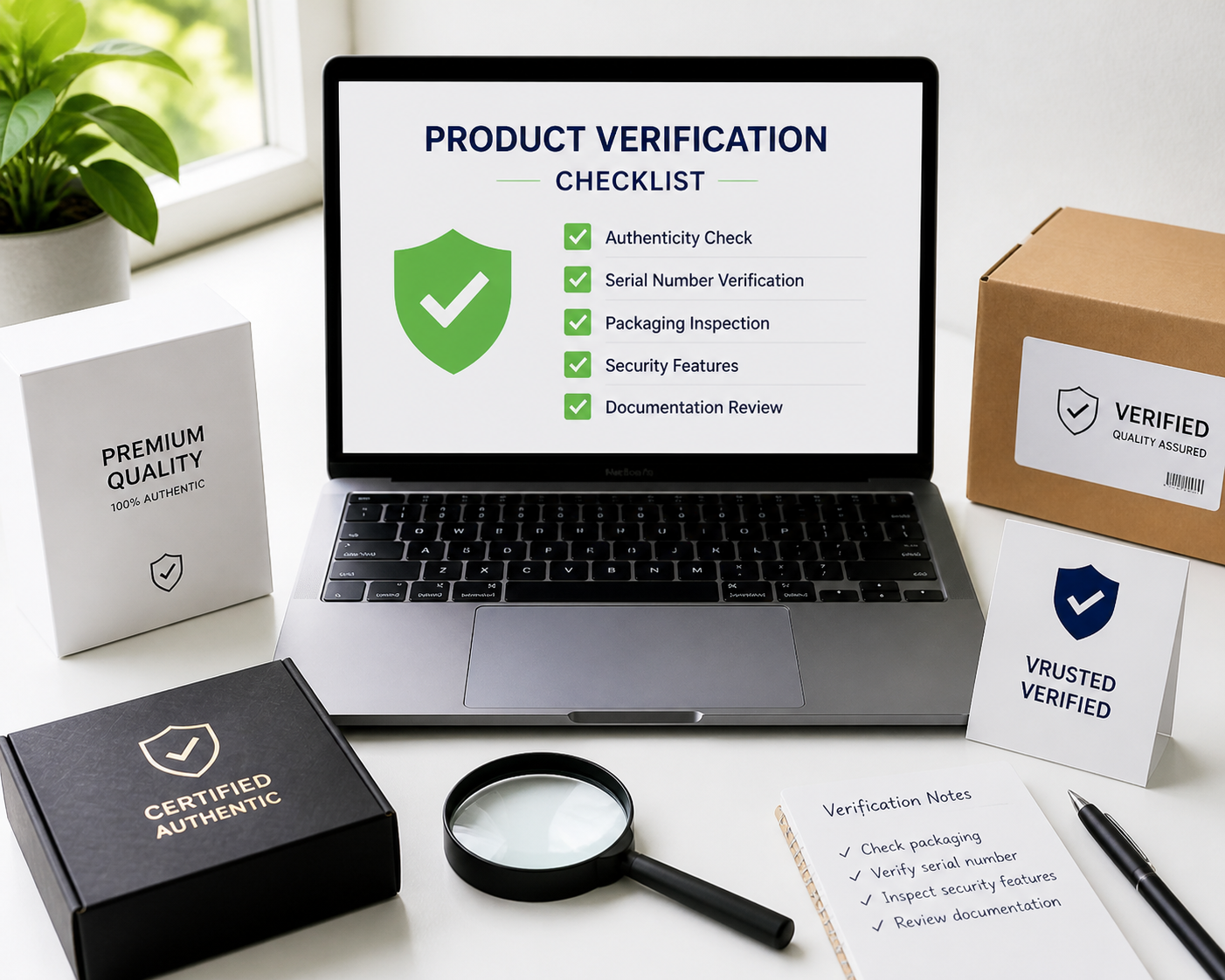
Online Brand Verification: Your Guide to Shopping Safely
When you're browsing the internet for your next purchase, the stakes feel higher than ever. Your personal information, payment details, and hard-earned money are on the line, making it crucial to know who you're buying from.
The digital marketplace has opened incredible opportunities for consumers, but it's also created a breeding ground for scams, counterfeit products, and untrustworthy sellers. Every day, countless shoppers unknowingly purchase fake items or fall victim to fraudulent websites that disappear after taking their money. The challenge isn't just finding what you want—it's confirming that the brand selling it is legitimate.
Start verifying brands today to shop with confidence and protect yourself from fraud.
Why Brand Verification Matters
The consequences of buying from unverified sources extend far beyond a single lost purchase. When you skip the verification step, you expose yourself to multiple risks that can have lasting effects on your finances and personal security.
Protects Consumers from Counterfeit Products
Counterfeit goods flood online marketplaces at alarming rates. These fake items range from knockoff electronics that overheat and malfunction to beauty products containing harmful substances. When you verify a brand first, you ensure that what arrives at your door is genuine and safe to use.
Ensures Authentic Company Credentials
Legitimate businesses maintain proper licensing, registration, and certifications. Verifying these credentials proves that a company operates legally and meets industry standards. This documentation shows that real people and real operations stand behind the brand, not just a faceless website.
Builds Trust in Online Shopping
Confidence transforms the shopping experience. When you know a brand is verified, you can focus on finding the right product instead of worrying about whether you've made a terrible mistake. This peace of mind is worth the few minutes of research.
Key Ways to Verify a Brand Online
Several straightforward methods exist for checking whether a brand is legitimate. These approaches work independently or together to build a complete picture of a company's authenticity.
Check Official Company Website and Domain Registration
A legitimate brand invests in a professional website with clear branding and consistent messaging. The domain registration itself tells a story—use WHOIS lookup services to find when the domain was registered and who owns it. Recently registered domains with hidden ownership information raise serious red flags. Established, trustworthy brands typically have domain registrations spanning years.
Look for Business Registration and Certifications
Every legitimate business registers with government agencies. Search your state or country's business registry to confirm the company exists and maintains good standing. Industry-specific certifications matter too—a cosmetics brand should have FDA compliance information, while electronics retailers might display regulatory certifications for different markets.
Review Customer Testimonials and Ratings
Real customers leave traces across the internet. Check Google Reviews, Trustpilot, and industry-specific review sites for consistent feedback. A brand with hundreds of five-star reviews posted all on the same day looks suspicious, while a mix of genuine reviews—positive and negative—suggests authenticity. Pay attention to what customers actually say about their experiences, not just the star ratings.
Red Flags for Unverified Brands
Certain warning signs indicate that a brand hasn't been properly verified or may not be legitimate at all. Learning to spot these red flags prevents you from wasting money or exposing yourself to theft.
No Physical Address or Contact Information
If a website lists only an email address or contact form with no physical location, something's wrong. Legitimate businesses provide street addresses and phone numbers. This transparency shows they're willing to be held accountable for their actions.
Lack of Social Media Presence or Engagement
Established brands maintain active social media accounts with regular posts and customer interaction. A brand with no Facebook page, Instagram account, or Twitter presence, or one with dormant accounts and no customer engagement, suggests the company isn't serious about building trust with buyers.
Missing Privacy Policy or Return Policy Details
Professional websites include detailed privacy policies explaining how they handle your data and comprehensive return policies outlining your rights as a customer. The absence of these critical policies indicates a business that doesn't respect consumer protection laws.
Use verification tools now to identify red flags and avoid unreliable sellers.
Tools and Resources for Brand Checking
Your verification toolkit shouldn't require expensive memberships or technical expertise. These accessible resources do the heavy lifting for you.
WHOIS Domain Lookup Services
WHOIS databases reveal ownership information, registration dates, and contact details for any domain. Sites like WHOIS.net or DomainTools provide free lookups that expose when a domain was created and whether ownership information is hidden. A legitimate brand typically shows transparent ownership details.
Better Business Bureau Verification
The Better Business Bureau (BBB) maintains records of businesses and their complaint histories. Search the BBB website to see if a brand is accredited, what complaints customers have filed, and how the business responded. BBB ratings from A+ to F indicate how well a company honors its commitments.
Social Media and Official Retailer Confirmation
Visit the brand's official social media accounts directly—never click links from suspicious websites. Look for verified badges on platforms like Instagram and Twitter, which indicate that the account is authentic. Additionally, check whether the brand appears on major authorized retailers. If a product is only available on unknown marketplaces and nowhere else, verification becomes even more important.
Conclusion
Your shopping decisions matter, and verification is the shield that protects them. The time invested in checking a brand's legitimacy pays dividends through every purchase you make. Counterfeit products disappoint, scams drain your wallet, and untrustworthy sellers erode your confidence in online shopping—all avoidable outcomes with proper research.
The methods and tools described throughout this guide transform you from a passive consumer into an informed buyer. Domain lookups reveal hidden ownership, business registries confirm legal status, customer reviews demonstrate real-world satisfaction, and certification checks prove compliance with safety standards. Red flags become obvious once you know what to look for, and legitimate brands stand up to scrutiny because they have nothing to hide.
Future purchases will feel safer and more satisfying when you establish brand verification as a routine habit. Rather than crossing your fingers and hoping for the best, you'll make deliberate decisions backed by evidence. Begin protecting your purchases by verifying brands before every transaction.
Leave a Reply