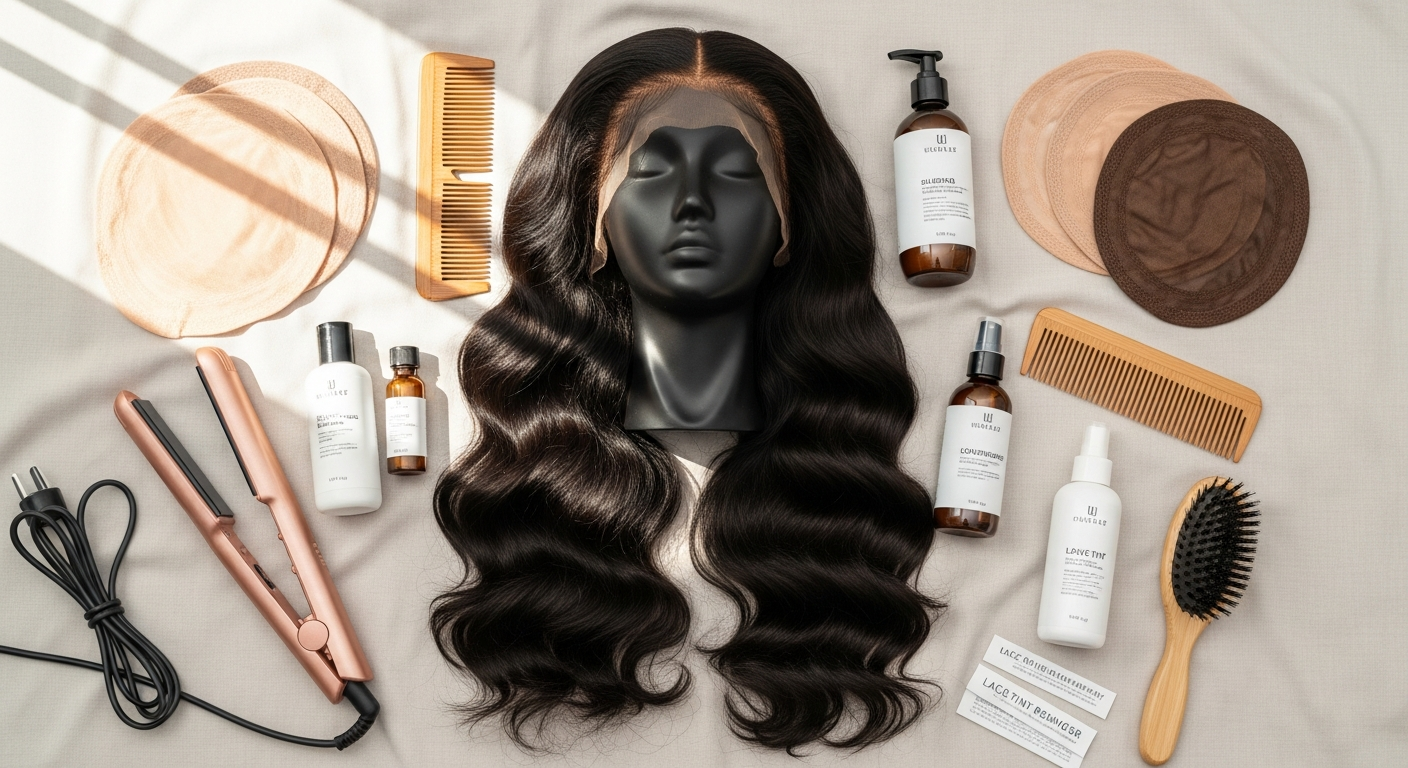
Understanding the 13×4 Body Wave Human Hair Lace Front Wig
Over 70% of wig wearers struggle with finding a lace front that actually blends seamlessly with their natural hairline. The moment you place a poorly constructed wig on your head, the illusion shatters—awkward edges, visible seams, and that telltale synthetic shine make it obvious something's off. This frustration has driven countless people to settle for less-than-ideal solutions, accepting compromises on comfort, appearance, and styling freedom simply because they haven't found the right fit.
The 13×4 body wave design changes everything about that equation. The "13×4" specification isn't random marketing jargon; it's engineered for maximum versatility with a 13-inch ear-to-ear span and 4-inch depth, creating ample parting space and an authentic hairline that works across different face shapes. This particular configuration delivers the flexibility that makes styling feel natural rather than restrictive, allowing you to part your hair wherever inspiration strikes without exposing bare cap or compromising the realistic appearance you've invested in.
Combined with 100% virgin human hair and a body wave texture, this wig type has become the go-to choice for anyone seeking a natural-looking enhancement that actually lasts. Throughout this guide, you'll learn how to style it like a pro, establish a maintenance routine that keeps it looking fresh, understand the construction details that make it worth the investment, and discover styling techniques that showcase the lace front's realistic capabilities.
Explore premium 13×4 body wave wigs from trusted manufacturers today.
Understanding the 13×4 Lace Front Dimensions and Why They Matter
What "13×4" Actually Means in Wig Construction
The dimensions refer to the lace frontal coverage area, not the overall wig size. The "13" represents the width from one ear to the other, measured ear-to-ear across the front of your head. The "4" indicates how deep the lace extends from your hairline—measured in inches from the front edge backward. This contrasts sharply with other popular configurations: 13×6 lace fronts provide 6 inches of depth for even more parting flexibility, full lace wigs offer lace across the entire cap (requiring more maintenance), and 360 lace designs wrap around the perimeter for complete versatility with exposed edges.
The 13×4 strikes an intentional balance. It's not the most basic option, nor is it the most demanding. You get meaningful parting space without the extra weight or complexity that comes with deeper lace configurations.
Ear-to-Ear Coverage and Side-Parting Flexibility
Thirteen inches of ear-to-ear width means you can comfortably create side parts, deep side parts, and even off-center placements without exposing the cap beneath. When you part your hair on the left side near your ear, that full 13-inch span ensures the lace extends far enough that your hairline appears completely natural. The same applies to right-side parting or any position in between.
This width also accommodates different head sizes effectively. Whether you have a narrower or wider face, the 13-inch measurement provides sufficient coverage across the front. You're not struggling with lace that ends awkwardly at your temple or extends so far that it requires excessive trimming and customization.
The 4-Inch Depth Advantage
Four inches of lace depth creates realistic baby hairs and enables multiple parting options without revealing the base cap. You can create a center part, shift to a side part, slick your hair back, or wear it down with varying configurations—all from the same wig. The depth provides enough territory for these styling variations to look authentic rather than forced.
Baby hairs become the ultimate accessibility feature. With 4 inches of depth, you have genuine space to style edge control along your hairline, creating those textured wisps and baby curls that signal a naturally grown-out appearance. This detail separates wigs that blend seamlessly from those that scream "I'm wearing a wig."
Why This Specific Dimension Works Across Face Shapes
The 13×4 configuration isn't universally flattering by accident. Round faces benefit from the side-parting flexibility, which creates visual length and balance. Oval faces can work with any parting without concern. Square faces can soften edges with a deep side part created easily within that 4-inch depth. Heart-shaped faces can position their part slightly off-center to frame the forehead naturally.
This adaptability explains why the 13×4 has become the industry standard rather than a niche option. You're not buying a wig optimized for one specific face shape; you're investing in a design that works across the spectrum.
Lace Placement Impact on Skin Tone Blending
The quality of lace material matters as much as its dimensions. Swiss lace—the material typically used in quality 13×4 wigs—offers breathability and the ability to blend seamlessly with various skin tones. The lace itself is nearly invisible against darker skin tones, and manufacturers often offer different lace colors (light blonde, medium, dark) to match lighter complexions.
When the lace sits properly along your hairline and is trimmed correctly, it becomes genuinely difficult to detect where your skin ends and the wig begins. Combined with realistic baby hairs and proper styling, this blending creates an illusion of hair growing directly from your scalp.
Body Wave Texture: Styling Versatility and Maintenance Essentials
What Body Wave Texture Provides
Body wave creates soft, flowing waves that lack the tight curl pattern of deep wave or curly textures and avoid the entirely straight appearance of straight-hair wigs. The waves have a natural bounce and movement, catching light in ways that feel organic. This texture pattern works with gravity rather than fighting it, which means your wig looks alive and dynamic rather than stiff or overly processed.
The body wave pattern provides built-in volume without artificial-looking density. Your waves naturally separate and move as you walk, turn your head, or adjust your styling. You're not managing a solid block of hair; you're working with waves that have individual dimension and appeal.
Styling Options Available with Body Wave
Body wave wigs accommodate diverse styling approaches. Wear the waves as-is for an effortless, textured look that requires minimal styling time each morning. Apply your favorite curl cream or edge control and maintain that wave pattern for a polished appearance. Blow-dry the waves straighter for a sleeker style that feels completely different from the original texture. Create tighter curls by braiding sections overnight or using a curling iron (since it's 100% human hair). Style your hair into a high ponytail that showcases the realistic hairline while displaying wave texture at the ends.
This versatility means you're not locked into one look. The same wig transforms based on your mood, occasion, or daily schedule.
Heat Styling Capabilities for Human Hair
Because the wig is constructed from 100% virgin human hair, it responds to heat styling just like natural hair. You can use blow dryers on medium to high heat without concern about synthetic fibers melting. Flat irons work at typical settings (around 350°F for textured hair) to create temporarily straight styles. Curling irons and wand tools add tighter curls or waves if you want to enhance the existing body wave pattern.
The key precaution: excessive heat exposure will eventually damage the hair, just as it would your natural hair. Consistent daily blow-drying at high temperatures can shorten the wig's lifespan. Use heat styling strategically rather than as part of your daily routine, and always apply a heat-protectant product beforehand.
Wave Pattern Longevity and Curl Definition
With proper care, your body wave pattern holds its shape through multiple wash cycles. The waves won't tighten into curls or relax into completely straight strands—they maintain that sweet middle ground unless you actively style them otherwise. Each wash followed by proper drying (without aggressive towel friction) allows the waves to resettle into their natural pattern.
Curl definition remains crisp for months with a consistent maintenance routine. You're not fighting constant frizz or watching your waves flatten into a limp texture. The 100% human hair structure remembers its wave pattern and returns to it naturally after styling or washing.
Humidity Resistance and Managing Frizz
Human hair reacts to humidity, which means your body wave wig may experience some frizz in extremely humid conditions. This is authentically similar to how natural hair behaves, but it's not unmanageable. Anti-frizz serums and humidity-resistant styling products designed for human hair wigs tame flyaways and keep waves defined.
The body wave texture is more forgiving with humidity than completely straight wigs. Those gentle waves actually conceal minor frizz better than sleek styles, and they blend in ambient moisture more gracefully. You're working with a texture that's inherently flexible rather than brittle.
Get your 13×4 body wave wig from leading manufacturers and experience the difference quality makes.
Daily Styling Techniques That Showcase Your Lace Front
Creating a Flawless Hairline Using Realistic Edges
Your lace front's power emerges when you style your hairline intentionally. Start by applying a lightweight gel or edge control to the baby hairs along the lace edge. Use a fine-tooth brush or old toothbrush to gently guide these delicate strands into a seamless line that mirrors a naturally grown hairline. The goal isn't rigidity; it's subtle definition that looks like grooming rather than construction.
Apply your edge control in thin layers, building the hold gradually. One thick application looks artificial and heavy. Multiple light layers create a natural-looking finish that maintains flexibility while keeping baby hairs in place throughout the day.
Baby Hair Styling Methods for Authenticity
Baby hairs are the secret weapon that separates amateur wig styling from professional-level application. Those tiny wisps around your hairline—when styled correctly—instantly communicate that this is genuinely grown hair rather than a piece sitting on your head.
Gel your baby hairs into gentle waves or soft waves rather than completely straight lines. This mimics how actual baby hairs grow: with slight variation and natural texture. Allow the gel to dry completely before touching the styled hairs; premature contact ruins the shape. Some wearers prefer slightly less formal baby hair styling for everyday wear, while others craft meticulously detailed edges for special events. Both approaches work; you're simply adjusting the level of intentionality based on your schedule and occasion.
Parting Options That Maximize Depth and Width
The 4-inch depth enables multiple parting placements without limitation. Create a center part for a classic, balanced appearance that frames your face symmetrically. Position a side part near your left temple for a more dynamic look that reveals different proportions of your face. Try a deep side part that shifts the parting to nearly your ear, creating volume and movement on one side while the other side sweeps across your face.
Experiment with off-center parts positioned slightly to one side of center—this hybrid approach offers balance without perfect symmetry. Each parting option should feel intentional and flattering to your specific face shape and personal style. The 13×4 dimensions ensure you can execute any parting without exposing bare cap or unnatural transitions.
Side-Part Styling for Seamless Lace Blending
Side parts showcase your lace front most dramatically. Position your parting 1-2 inches from your left or right temple. Use your edge control and fine brush to create a clean, defined parting line that extends back at least 2-3 inches. Style the baby hairs on the larger side of the parting into a sleek, groomed appearance that emphasizes the realistic hairline.
The smaller side of the part (near your ear) should lay smoothly against your head, with any baby hairs blended seamlessly into the rest of your hair. When executed correctly, the lace front becomes virtually invisible—someone looking at you sees only a naturally parted hairline with realistic texture and dimension.
Sleek Ponytail Styles That Highlight Realistic Hairline
Pull your body wave hair into a sleek, tightly secured ponytail at the crown or lower crown position, depending on your preference. As you style the ponytail, intentionally leave a few baby hairs loose around your hairline—2-3 wisps per side creates an authentically undone appearance. Smooth these loose hairs with edge control into gentle curves that frame your face.
This styling approach highlights your realistic lace front while keeping your hair off your face. The ponytail demonstrates that your hairline is genuine rather than hidden under styling. When you wear your hair pulled back, the lace front becomes an asset rather than something to conceal.
Maintenance Routine That Keeps Your Wig Looking Brand New
Washing Frequency Based on Wear Schedule
How often you wash your body wave wig depends on how frequently you wear it and what products touch it daily. If you wear the wig daily with styling products (gels, sprays, creams), aim for washing every 10-14 days. Heavy product buildup prevents your waves from moving naturally and creates a dull appearance that makes the hair look tired.
If you rotate multiple wigs and wear each one 2-3 times weekly, washing every 2-3 weeks works fine. You're removing sweat, scalp oils from your natural hair, and environmental pollutants without over-stripping the wig. Some wearers with lighter styling routines extend washing to monthly intervals, though this isn't recommended for daily-wear pieces.
Gentle Cleansing Products Formulated for Human Hair Wigs
Standard shampoos contain harsh sulfates that strip natural moisture from human hair, leaving it dry and prone to tangling. Instead, invest in sulfate-free shampoos specifically formulated for human hair wigs or color-treated hair. These products cleanse effectively without stripping essential moisture.
Avoid clarifying shampoos, which are designed to remove heavy buildup and are too aggressive for wig maintenance. Steer clear of shampoos containing silicones, which build up over time and create an artificial sheen that looks plastic-like. Look for products labeled "gentle," "sulfate-free," and "human hair safe" on the bottle.
Step-by-Step Washing Process to Prevent Tangling
Fill a basin with lukewarm water (never hot, which can damage or alter the wave pattern). Add a small amount of wig shampoo—you need far less than you'd use for natural hair washing. Submerge your wig gently and allow it to soak for 3-5 minutes, loosening product buildup and scalp oil.
Gently agitate the water around the wig, allowing the shampoo to work through the hair without creating tangled knots. Don't scrub, wring, or aggressively rub sections together. Think of the motion as a gentle massage rather than a vigorous cleansing. After soaking, carefully lift the wig from the soapy water and rinse under cool running water (not hot) until the water runs clear and all shampoo residue is removed.
Conditioning Treatments That Restore Moisture
After rinsing out shampoo, apply a generous coat of deep conditioning treatment to your body wave wig, focusing on the mid-lengths and ends (avoid applying conditioner directly to the lace, which can weaken the knots holding individual hairs). Allow the conditioner to sit for 5-10 minutes while you relax—this resting period allows the product to penetrate and restore moisture that washing depletes.
Rinse the conditioning treatment thoroughly with cool water until no product remains. Conditioner residue creates buildup that weighs down your waves and reduces movement. Some wearers apply a lighter leave-in conditioner spray to the mid-lengths and ends after the wig dries; this maintains softness between wash cycles without creating visible product buildup.
Drying Techniques That Preserve Texture
Gently squeeze excess water from your body wave wig using your hands—never wring, twist, or aggressively towel-dry. Pat the wig gently with a microfiber towel or clean t-shirt, absorbing water without creating friction that causes tangling.
Allow your wig to air dry on a wig stand or mannequin head positioned away from direct sunlight and heat sources. The air-drying process allows your wave pattern to resettle naturally into its original shape. If you're in a hurry, use a blow dryer on low heat, directing the airflow downward through the waves rather than rough-drying from multiple angles. Never use high heat, which can damage the hair structure and alter the wave pattern permanently.
Investment Analysis: Price Range and Long-Term Value
Wholesale Pricing Context
Quality 13×4 body wave human hair lace front wigs from reputable manufacturers typically fall within the $80-$250 USD range, depending on several variables. This pricing reflects the cost of sourcing virgin human hair, constructing lace frontals with individual hair knots, quality control measures, and the expertise of manufacturers specializing in wig production.
Understanding this range helps you avoid both unrealistic bargains (which often signal synthetic hair or poor construction) and unnecessary premium pricing (which doesn't always indicate superior quality). The best value often emerges in the $120-$180 range, where you're accessing genuine quality without overpaying for brand prestige alone.
What Affects Pricing Within the Range
Hair length dramatically impacts price—a 14-inch body wave costs significantly less than a 24-inch version because shorter wigs require less raw hair material. Density variations (130%, 150%, 180%) affect pricing; higher density creates fuller-looking wigs but costs more due to additional hair. Lace quality matters: Swiss lace commands higher prices than standard lace, justified by superior breathability and blending capability.
The manufacturer's reputation and quality control standards influence pricing. Companies known for consistency and longevity can charge more because they've earned consumer trust. Hair grade (whether the hair has been previously colored or processed) affects price; virgin human hair commands premiums over hair that's been treated or dyed.
Comparing Cost to Synthetic Alternatives and Durability
A quality synthetic lace front wig costs $40-$100, making it significantly cheaper upfront. However, synthetic wigs typically last 4-6 months with regular wear before the fibers frizz irreparably, tangle excessively, or lose their shape. Your body wave human hair wig lasts 2-3 years with proper care, sometimes extending beyond that timeframe.
When you calculate cost-per-wear over that extended lifespan, the human hair wig's investment becomes economically sensible. You're also gaining styling versatility that synthetic wigs simply cannot match—the ability to heat style, color, and adjust your look provides value that extends beyond durability alone.
Cost-Per-Wear Calculations Over 2-3 Years
If you invest $150 in a 13×4 body wave wig and wear it an average of 4 times weekly for 2 years, that's roughly 416 wears. Your cost-per-wear emerges at approximately $0.36 per wearing. Compare that to a $60 synthetic wig lasting 6 months with similar wear frequency (104 wears at approximately $0.58 per wear) and the human hair option becomes the economical choice.
If you wear your wig daily, those numbers shift dramatically. A $150 investment worn 365 days yearly for 2 years (730 wears) equals $0.21 per wear—exceptional value for a styling tool you rely on continuously. Even accounting for the cost of maintenance products (shampoo, conditioner, styling products), your total investment remains justifiable for the appearance quality and versatility you gain.
Return on Investment for Professional Appearance and Confidence
Beyond pure mathematics, a realistic 13×4 body wave wig delivers intangible returns. The confidence that comes from knowing your hairline looks authentic, your waves move naturally, and your overall appearance is polished creates psychological value that transcends pricing calculations. You're not constantly wondering if people notice your wig; you're moving through your day with the assurance that your hair looks like an intentional style choice rather than a prosthetic disguise.
Professional environments reward polished appearance. Whether your industry is corporate, creative, or service-oriented, showing up with hair that looks healthy and styled intentionally influences how colleagues and clients perceive your competence and attention to detail. This perception advantage generates real-world benefits—better first impressions, increased confidence in professional interactions, and the freedom to present yourself exactly as you intend.
Your 13×4 Body Wave Wig: The Transformation Starts Now
The 13×4 body wave human hair lace front wig represents far more than just a hair product—it's a gateway to authentic self-expression and confidence that shows. When you understand the engineering behind those specific dimensions, the quality of virgin human hair, and the styling possibilities that body wave texture unlocks, you're equipped to make this investment work overtime for your lifestyle.
The realistic hairline you create with proper styling and edge control becomes your signature. The wave texture adapts to your mood and schedule, offering effortless waves for casual days and polished waves for professional settings. The versatility of the 4-inch depth means you're never locked into one parting or one look—you're choosing how your hair frames your face each morning.
Your next move is straightforward: assess your styling goals and daily commitment to maintenance, commit to a realistic care schedule that fits your lifestyle, and source your wig from a reputable manufacturer who backs their craftsmanship with quality guarantees. Ask about their no-shedding, no-tangle standards. Request information about hair sourcing and lace quality. Understand their return policy and warranty coverage.
Whether you're seeking a daily-wear solution that simplifies your morning routine, a special-occasion showstopper that makes you feel absolutely stunning, or a confidence boost during a hair transition, the 13×4 body wave design delivers the versatility and realism that separates exceptional wigs from ordinary ones. Your transformation isn't just about hair—it's about reclaiming agency over your appearance and moving through the world with the confidence that comes from looking exactly as you've imagined.
Start your transformation with a premium 13×4 body wave human hair lace front wig today.
Leave a Reply